
Plants
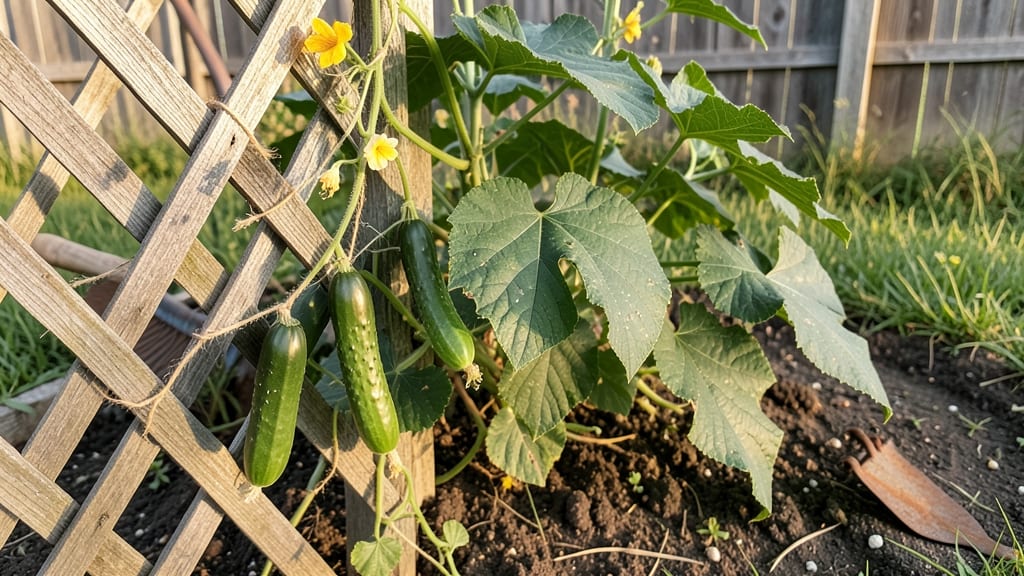
Cucumber plants grow anywhere from 1 foot to over 20 feet tall, depending on the variety you choose—and picking the right one can save you from a garden takeover.
Imagine this: You plant a few cucumber seeds in early spring, expecting a neat, manageable row, only to watch them sprawl across your entire backyard by midsummer. That’s the reality for many gardeners who don’t know how their chosen variety will behave.
The good news? With the right knowledge, you can control their growth and even turn those sprawling vines into a vertical harvest system.
Some cucumbers, like the bush varieties, stay compact at just 1-3 feet, perfect for small gardens or containers. Others, like the classic Straight Eight, can climb 20 feet or more if given the right support.
Whether you’re working with limited space or dreaming of a lush trellis, understanding your plant’s potential height is the key to maximizing your harvest—and keeping your garden tidy.
In this guide, I’ll break down the height ranges for popular cucumber types, how to support them without taking over your yard, and simple tricks to manage growth for any space—whether you’re growing in a backyard plot or a balcony pot.


Cucumber vine lengths by variety: from compact bushes to towering vines
Cucumber plants can range from compact bush varieties that stay under 3 feet tall to towering vines that climb 20 feet or more. The difference isn’t just about space—it affects your harvest yield, support needs, and even pest management.
Whether you’re working with a small balcony garden or a sprawling backyard, choosing the right variety for your space is key.
Most cucumbers fall into two main categories: bush types (determinate) and vining types (indeterminate). Bush varieties stop growing once they reach maturity, making them ideal for containers or tight spaces.
Vining types, on the other hand, keep growing until frost, producing fruit along their entire length. This distinction alone can change how you plan your garden layout.
Here’s a breakdown of vine lengths by popular varieties, including their space requirements and ideal growing conditions. I’ve included real-world examples to help you visualize what to expect in your own garden.
If you’re growing bush-type cucumbers, you’ll save space and avoid the need for support structures. Varieties like Bush Champion or Sweet Success are perfect for balcony gardens or raised beds, where vertical space is limited.
These plants focus their energy on producing fruit quickly, making them ideal for short-season climates or container gardening.
For vining cucumbers, think vertically. A 10-foot trellis can support varieties like Straight Eight, which produce long, straight cucumbers perfect for slic
Support systems for tall cucumber plants: trellises, cages, and spiral methods
Tall cucumber varieties like Straight Eight or Marketmore can reach 15-20 feet without proper support, turning your garden into a tangled mess. The right support system not only saves space but also improves air circulation, reducing disease risk.
Whether you choose a trellis, cage, or spiral method, the key is matching the structure to your plant’s vine length and growth habit.
For vining varieties, vertical growth is essential—they produce more fruit when trained upward. Bush types (like Bush Champion) need minimal support but still benefit from a small cage.
I’ve found that DIY trellises made from bamboo or PVC pipes work best for most gardeners, but commercial options like A-frame trellises offer instant stability. Let’s explore the best choices for your setup.
- 🌱 Trellis Types
- 🪴 Bamboo Trellis: Lightweight, 6-10 ft tall, ideal for small gardens. Use 4-6 stakes per plant.
- 🪣 PVC Pipe Trellis: Sturdy, customizable height (up to 12 ft). Paint pipes to prevent rust.
- 🌿 A-Frame Trellis: 8-10 ft tall, freestanding, perfect for high-yield varieties like Armenian cucumbers.
- 🪴 Cucumber Cage: 3-5 ft tall, wire mesh, best for bush varieties. Replace every 2-3 years.
- 🌀 Spiral Method: Train vines in clockwise spirals around a sturdy post. Uses minimal space but requires frequent tying.
When installing supports, timing is critical. Wait until vines reach 12-18 inches tall before attaching them to avoid root disturbance. Use soft plant ties (like jute twine) to secure vines gently—tightening too much can strangle stems.
For heavy-fruiting varieties, add a second trellis mid-season to prevent sagging.
Pruning plays a huge role in managing height. For vining cucumbers, pinch off side shoots (suckers) below the first 5 leaves to encourage upward growth. Leave 1-2 main vines per plant to maximize fruit production.
In container gardens, use a small spiral trellis and prune aggressively to keep vines under 6 feet.
My pro tip: If your cucumbers start overrunning supports, trim back excessive lateral growth in early morning to reduce stress. Always sterilize pruners with rubbing alcohol to prevent bacterial wilt.
With the right support and care, even 20-foot vines can thrive in a compact space—without sacrificing yield.
🌿