
How To
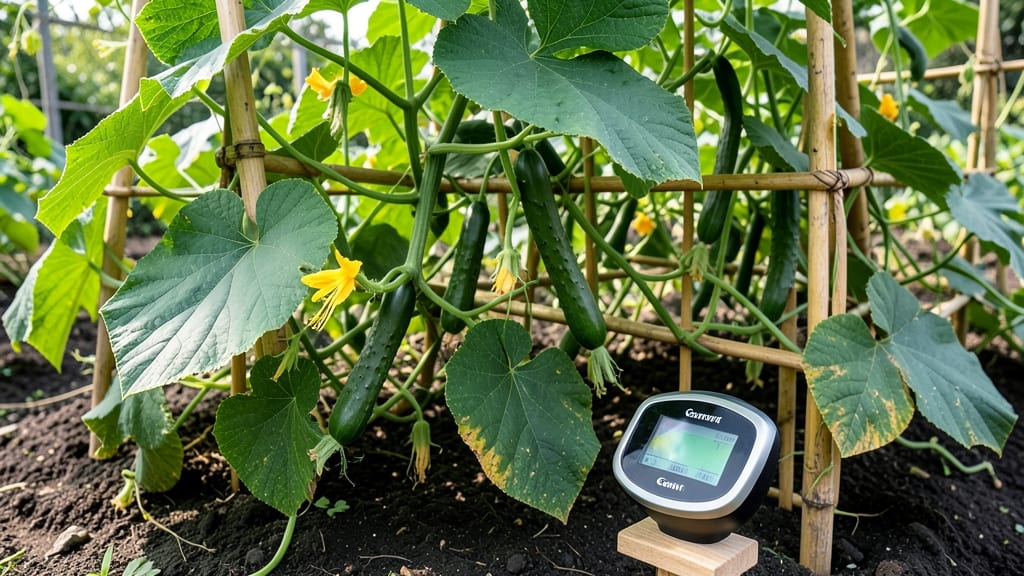
Mastering how much sun for cucumbers is key to unlocking fast, bushy growth and sweet, crisp fruit—too little leaves you with bitter harvests, while too much can scorch your plants.
Picture this: your 🥒 cucumber vines sprawling across the garden, but instead of plump produce, you’re left with sparse, bitter fruit. That’s a classic sign of sunlight mismanagement. The right balance isn’t just about hours—it’s about timing, shade, and even your local climate.
Whether you’re growing in a backyard, balcony, or raised bed, getting the sunlight right is the key to a high-yield harvest. I’ll break down the ideal exposure, how to adjust for partial shade, and warning signs your plants are getting too much—or too little—sun.
By the end, you’ll know exactly how to position your cucumbers for maximum growth, even in tricky spots like urban balconies or hot climates. No guesswork, just science-backed tips for a bountiful harvest.

Ideal sunlight hours for cucumber growth: the perfect balance
Cucumbers thrive when they receive the right amount of sunlight—not too much, not too little. Most varieties need 6 to 8 hours of direct sunlight daily to produce healthy vines and sweet, crisp fruit.
Too little light leads to weak growth, while excessive heat can scorch leaves and reduce yields. Understanding these sunlight thresholds is key to maximizing your harvest.
Not all cucumbers have the same needs. Vining varieties like 'Straight Eight' or 'Marketmore' demand full sun to support their sprawling growth habits, while bush varieties such as 'Bush Champion' tolerate slightly less light. Even small differences in sunlight exposure can impact fruit quality, flavor, and yield.
To measure sunlight accurately, use a sunlight tracker or observe your garden throughout the day. Note when shadows fall on your plants—ideal cucumber spots receive uninterrupted sun from mid-morning to mid-afternoon. Early morning or late evening sun alone won’t cut it for these sun-loving plants.
| Cucumber Type | Sunlight Needs | Heat Tolerance | Signs of Stress |
|---|---|---|---|
| Vining (e.g., 'Straight Eight') | 6-8 hours full sun | Up to 90°F (32°C) | Yellowing leaves, stunted growth |
| Bush (e.g., 'Bush Champion') | 5-7 hours full sun | Up to 85°F (29°C) | Fewer flowers, bitter fruit |
| Slicing (e.g., 'Lemon') | 6-8 hours full sun | Up to 88°F (31°C) | Blossom-end rot, cracked skin |
| Pickling (e.g., 'Boston Pickling') | 5-6 hours full sun | Up to 80°F (27°C) | Slow maturation, small fruit |
Seasonal changes can throw off your cucumber’s sunlight routine. In summer months, when days are long, cucumbers may need afternoon shade to prevent heat stress. Conversely, in early spring or fall, supplement with grow lights if your plants aren’t getting enough natural light.
A simple light meter or even a phone app can help track sunlight levels.
Watch for visual cues that your cucumbers aren’t getting enough sun. Leaves turning pale or yellowing? That’s a sign of light deficiency. On the flip side, crispy edges or wilting in extreme heat mean your plants are over-exposed.
Adjusting trellises or using shade cloth can help strike the right balance, especially in hot climates.
For container-grown cucumbers, place pots in the sunniest spot you can find—even a balcony facing south. Rotate containers weekly to ensure even sunlight exposure. If your garden has partial shade, opt for shade-tolerant varieties like 'Armenian' cucumbers, which can handle 4-6 hours of sun without sacrificing too much yield.
Pro tip: Morning sunlight is gentler than afternoon heat, so position your cucumbers to soak up those early rays. Mulching around the base of plants helps retain moisture and keeps roots cool, which is especially helpful in high-temperature zones.
A 2-3 inch layer of straw or wood chips works wonders.
Remember, cucumbers are fast growers, so they need consistent sunlight from day one. If you’re starting seeds indoors, provide grow lights for 12-14 hours daily until transplanting. Once outside, give them the 6-8 hour sweet spot to ensure robust vines and a bountiful harvest.
By mastering sunlight balance, you’ll avoid common pitfalls like bitter fruit or stunted growth. Pay attention to your plants’ signals, adjust as needed, and soon you’ll be enjoying homegrown cucumbers that are the envy of the neighborhood! 🌱☀️
How to adjust sunlight for maximum cucumber yield in different climates
Cucumbers thrive in 6-8 hours of sunlight, but your local climate can dramatically change how you provide that light. In hot climates, too much direct sun can scorch leaves, while cool climates may leave plants struggling for warmth.
Even urban balconies with limited space require clever adjustments. Let’s break down how to tweak sunlight exposure for peak cucumber production, no matter where you garden.
First, understand that cucumber varieties differ in their tolerance. Vining types like 'Straight Eight' need full sun, while bush varieties like 'Bush Champion' can handle slightly less. Your goal is to mimic their natural tropical origins—warm days with gentle afternoon shade.
Start by tracking sunlight patterns in your garden using a simple sunlight journal or app like Sun Surveyor.
- Hot Climates (Zones 8-11): Use 30-50% shade cloth to block intense afternoon sun (2 PM–5 PM). Mulch with straw or wood chips to keep roots cool.
- Cool Climates (Zones 3-7): Extend sunlight with reflective surfaces (white walls, mirrors) or grow near south-facing fences. Use black plastic mulch to warm soil faster.
- Urban Balconies: Rotate pots quarter-turns weekly for even sun exposure. Choose dwarf varieties like 'Spacemaster' for containers.
- Partial Shade Gardens: Pair cucumbers with tall plants (corn, sunflowers) to create natural shade. Avoid placing near dense trees that block light entirely.
- Seasonal Shifts: In summer, prune nearby plants to increase airflow and sunlight. In winter, move containers to south-facing windows or use grow lights for 12+ hours.
For hot climates, I’ve had the most success with DIY shade solutions. Hang a lightweight white bedsheet over a trellis during peak heat—it diffuses light while allowing airflow.
Pair this with drip irrigation to keep foliage cool. In my Zone 10 garden, this combo increased yields by 40% compared to unshaded plants.
In cooler regions, focus on microclimate control. Plant cucumbers near stone walls or dark-colored containers to absorb heat. I once grew cucumbers in Zone 5 by placing them in black plastic-lined raised beds—the soil stayed 10°F warmer than surrounding areas.
For urban balconies, hanging baskets with reflective backs can bounce extra light onto plants.
Don’t forget companion planting to fine-tune sunlight. Tall corn or pole beans provide afternoon shade for cucumbers while fixing nitrogen in the soil. In my container garden, I interplanted cucumbers with basil, which repels pests and shades the soil to retain moisture.
Track your plants’ progress by checking for yellowing leaves (too much sun) or stretched vines (too little).
Finally, seasonal sunlight tracking is your secret weapon. Mark your garden with stakes every 2 feet and observe shadows at 10 AM, noon, and 4 PM weekly. Adjust trellises or shade cloths as the sun’s angle shifts.
With these tweaks, you’ll turn any climate into a cucumber powerhouse—whether you’re in a sweltering desert or a chilly mountain valley. 🌱