
How To
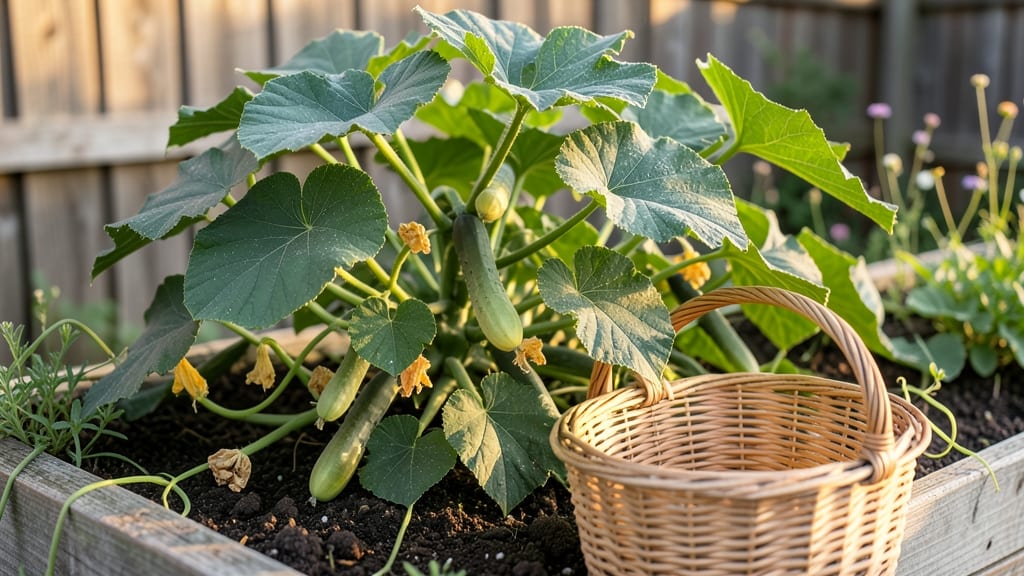
Knowing if a cucumber 🥒 is ripe means checking three key signs: size, color, and texture—because picking too early or late ruins the flavor and texture.
Picture this: you’ve been waiting weeks for your first homegrown cucumber, only to bite into one that’s bitter, seedy, or worse—still rock-hard. Mastering these 3 simple checks will save you from that disappointment every time.
Most gardeners focus on color alone, but the real secret lies in combining visual cues with a quick touch test. A ripe cucumber should be firm but yield slightly when pressed, with a deep, even hue and a stem that snaps cleanly.
In this guide, I’ll break down exactly what to look for—plus how to avoid the most common mistakes that turn perfect cucumbers into garden rejects.
3 Visual and texture signs of a perfectly ripe cucumber
There’s nothing worse than biting into a cucumber that’s either too hard or overripe and mealy. The good news? Identifying the perfectly ripe cucumber is all about paying attention to 3 key clues—color, size, and texture.
These visual and tactile cues will help you avoid the bitter disappointment of picking too early or too late. Let’s break down what to look (and feel) for in your garden. 🌱
First, let’s talk color. A ripe cucumber’s hue depends on its variety, but most slicing cucumbers develop a deep, even green when ready. Pickling cucumbers, on the other hand, often turn a yellowish-green at the stem end.
If the cucumber is still pale or patchy, it’s not ready yet. Overripe cucumbers may develop yellow spots or soft patches, signaling it’s past its prime. 🥒
Next, size matters. Most slicing cucumbers should reach 6-8 inches in length before harvesting. Smaller cucumbers (under 6 inches) are often too seedy and underdeveloped. Meanwhile, oversized cucumbers (over 10 inches) tend to be woody and bitter.
Always check your plant’s variety guidelines—some heirloom types can grow much larger but still be delicious. ✂️
Now, let’s get tactile. The texture test is your secret weapon. A ripe cucumber should feel firm but slightly yielding when gently pressed with your thumbnail. If it’s too hard, it’s underripe; if it’s too soft, it’s overripe.
Another trick? Give the cucumber a light tap—a ripe one will produce a hollow, crisp sound, while an unripe one will sound dull. 🤏
Here’s where things get tricky: stem color. The stem end of a cucumber changes as it ripens. For most varieties, a yellowing stem end is a ripe cucumber signal. If the stem is still bright green, the cucumber needs more time.
This is especially true for pickling cucumbers, which should be harvested when the stem turns yellowish to avoid bitterness. 🌿
But what about those bumpy textures? Some gardeners swear by the bump test—ripe cucumbers often develop small, raised bumps along their skin. These bumps are tendril scars, remnants of the plant’s natural growth process.
If your cucumber has smooth skin, it’s likely still underripe. However, don’t rely solely on bumps—this is just one of many ripeness indicators. 🌻
Let’s address a common mistake: overripe cucumbers. These often develop a spongy texture, yellow patches, or even black spots (a sign of rot).
Overripe cucumbers can also become seedy and bitter, making them less enjoyable to eat. To avoid this, harvest frequently—every 2-3 days during peak production. 🚫
Now, let’s talk variety-specific ripeness. Slicing cucumbers like Straight Eight or Marketmore are best picked when deep green and firm. Pickling cucumbers, such as Boston Pickling, should be harvested when they’re smaller (2-4 inches) and the stem turns yellowish. Heirloom varieties may have unique ripening cues, so always check the seed packet or plant tag for guidance. 📋
Here’s a quick pro tip: Harvest in the morning. Cucumbers are coolest and crispest after a night’s rest, making them easier to evaluate for ripeness. Avoid picking after a hot day, as the skin may feel softer than usual, leading to false assumptions about ripeness. 🌞
Finally, let’s debunk a myth: Size doesn’t always equal ripeness. Some giant cucumbers (like Leviathan varieties) can grow over 3 feet long but still be perfectly ripe when harvested at the right texture and color.
Always prioritize the 3 key signs—color, size, and texture—over assumptions based on cucumber length alone. 🌟
| Ripeness Stage | Color | Size | Texture | Stem End | Best For |
|---|---|---|---|---|---|
| Underripe | Pale green | Under 6 inches | Very firm/hard | Bright green | Discard or wait |
| Perfectly Ripe | Deep, even green (or variety-specific) | 6-8 inches (slicing) / 2-4 inches (pickling) | Firm but slightly yielding | Yellowing |
How to test cucumber ripeness by color, size, and firmnessDetermining the perfect moment to harvest cucumbers can be tricky, but focusing on color, size, and firmness makes it simple. Unlike some fruits, cucumbers don’t ripen further after picking, so timing is everything. I’ve learned that even a 1-inch difference in size can mean the difference between crisp and mealy. Start by checking the skin color, which is your first clue. Most slicing cucumbers should be a deep, even green hue—no yellowing at the stem end. Varieties like Lemon Cucumber will naturally turn yellow, but their skin should still feel firm. Size matters too; aim for 6-8 inches for slicing types, though pickling cucumbers can be smaller.
💡 Pro Tip: The tap test is my secret weapon! Gently tap a cucumber—if it sounds hollow, it’s ripe. A dull thud means it’s still firming up. Pair this with skin texture: ripe cucumbers yield slightly to gentle pressure but don’t feel mushy. For seed size, slice one open—tiny, pale seeds mean peak ripeness!
Don’t overlook the stem end, which often reveals hidden clues. A green stem signals underripe cucumbers, while a yellowing or brown stem can mean overripe or even rotting. I once ignored this sign and ended up with a batch of bitter, seedy cucumbers—a lesson I won’t repeat! For bush varieties, check the fruit’s weight; ripe cucumbers feel heavier for their size. Firmness is where many gardeners go wrong. A ripe cucumber should feel firm but not hard—like a baseball with a slight give. Press your thumbnail into the skin: if it leaves a shallow dent that bounces back, you’ve got a winner. Avoid cucumbers that feel squishy or spongy, as these are past their prime and may have developed internal soft spots. For heirloom or specialty varieties, like Armenian cucumbers, follow the same rules but adjust for their unique shapes. These long, ribbed cucumbers should be deep green with a smooth, glossy skin. Always harvest in the morning when cucumbers are coolest and crispest—this is when their flavor and texture peak. Pro tip: Use a sharp knife or pruners to avoid damaging the vine. If you’re still unsure, cut one open to check the seeds. Ripe cucumbers have small, pale seeds surrounded by crisp flesh. Large, dark seeds or a watery center mean it’s overripe. Remember, consistency is key: harvest every 2-3 days to keep your plants producing, and you’ll always have cucumbers at their best. Happy harvesting! |