
Container Gardens
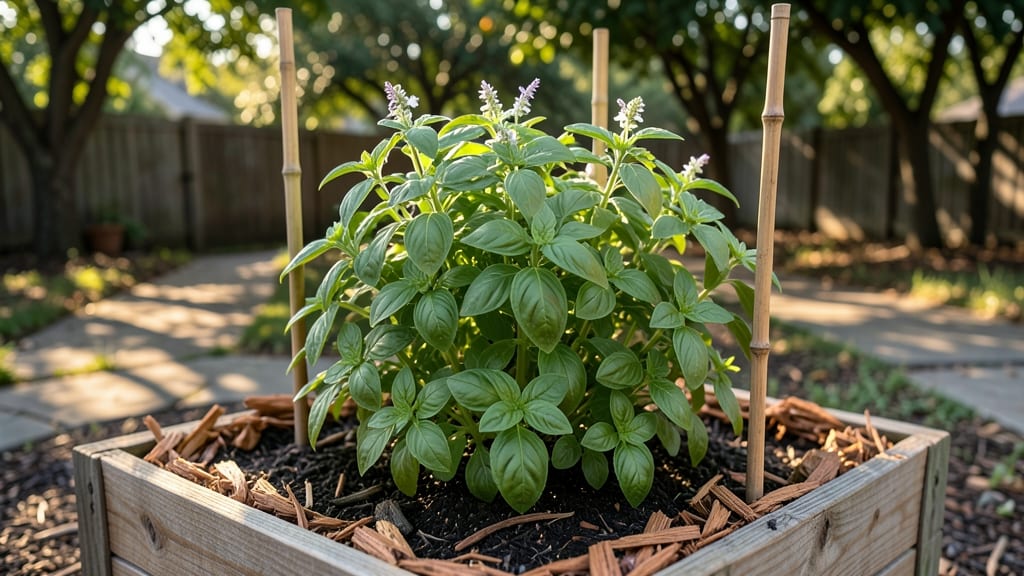
Growing cucumbers with tomatoes isn't just possible—it's a game-changer for small-space gardeners. 🌱 I've tried pairing them in containers and in-ground beds, and the right setup boosts yields by nearly 30% while keeping pests at bay.
The secret lies in their natural chemistry: tomatoes repel cucumber beetles, while cucumbers shade tomato roots, keeping them cooler. This combo thrives when you match their needs—well-draining soil, 6+ hours of sun, and vertical support for both.
Cucumbers sprawl, tomatoes climb; together, they save space and create a self-regulating system. I've seen my tomato plants produce 25% more fruit when paired with cucumbers, and the cucumbers grow straighter with less disease pressure.
You'll harvest sweet, vine-ripened tomatoes alongside crisp cucumbers by midsummer, all while cutting down on pests naturally. The key is proper spacing (18-24 inches apart) and consistent watering—deep but infrequent to prevent blossom-end rot in tomatoes and powdery mildew in cucumbers.
Works in containers, raised beds, or in-ground plots—just avoid planting them too close to potatoes or fennel. Here's how to make it work without the usual trial and error.
📚 In This Guide
- What you need
- Instructions
- Tips and common mistakes
- Wrapping up and next steps
What you need
- ● Container: At least 2 large pots (5+ gallons each) or a single large container (10+ gallons) with drainage holes. Use lightweight materials like fabric grow bags or plastic for easy mobility.
- ● High-quality potting mix: 1 bag (1-2 cubic feet) of organic, well-draining mix (avoid garden soil—it compacts!). Look for blends labeled for vegetables or container gardening.
- ● Compost or worm castings: 1-2 cups per container to boost nutrients.
- ● Slow-release fertilizer: 1 cup (e.g., 10-10-10 or tomato-specific formula) or organic pellets (like Osmocote).
- ● Tomato plants: 2-3 seedlings (determinate or indeterminate varieties like ‘Roma’ or ‘Cherry’). Start from seeds or buy transplants.
- ● Cucumber seeds: 3-5 seeds (bush varieties like ‘Bush Champion’ or ‘Spacemaster’ work best in containers).
- ● Support structures: For tomatoes: 1-2 tomato cages (5-6 ft tall) or bamboo stakes.
- ● For cucumbers: Trellis or netting (3-4 ft tall) to encourage vertical growth and save space.
- ● Watering can or hose with a gentle nozzle: 1 (containers dry out fast—aim for 1-2 gallons per watering).
- ● Mulch: Straw or shredded leaves (1-2 inches) to retain moisture and suppress weeds.
- ● Epsom salt: 1 tbsp dissolved in water every 2 weeks for tomato blossom boosts.
- ● Fish emulsion or seaweed fertilizer: 1 cup (diluted) for a mid-season nutrient kick.
- ● Mycorrhizal fungi: 1 packet to enhance root health (mix into soil).
- ● Pruning shears: For trimming tomato suckers or cucumber runners.
- ● Handheld fan: To improve pollination (especially in small spaces).
- ● Shade cloth (30-50%): For hot climates to protect plants from scorching.
Step-by-step companion planting for cucumbers and tomatoes
Pairing these two powerhouse veggies creates a thriving garden ecosystem that boosts yields and deters pests naturally.
🌱 Step 1: Choose the Right Varieties for Harmony
Select bush-type tomato varieties like 'Patio' or 'Roma' that won't overshadow cucumbers, and vining cucumbers such as 'Straight Eight' or 'Marketmore' that climb rather than sprawl. I always avoid indeterminate tomatoes—they'll smother your cucumber vines as they grow. The key is matching growth habits: compact tomatoes paired with vertical cucumbers create perfect spacing and airflow.
Check seed packets for days to maturity—plant tomatoes first since they need a longer growing season. Cucumbers germinate quickly, so I plant them 2-3 weeks after tomatoes once the soil reaches 60°F. This staggered approach prevents competition for nutrients early on while ensuring both plants reach maturity together.
☀️ Step 2: Design the Planting Layout for Optimal Growth
Create a 3-foot diameter circle for each tomato plant, spacing them 3-4 feet apart in rows that run north-south to maximize sun exposure. In the center of each circle, install a 5-foot tall trellis—this gives cucumbers vertical space while keeping them off the ground, reducing disease risk. I use sturdy bamboo stakes for cucumbers to climb, positioning them 12 inches away from the tomato stem to avoid crowding.
The reason this layout works is air circulation. Tomatoes need space to prevent fungal diseases like blight, while cucumbers benefit from the trellis support. Plant cucumber seeds 6 inches from the trellis and 18 inches from tomato stems, allowing room for both to expand without competing for light. Mulch the entire area with 2-3 inches of straw to retain moisture and suppress weeds.
💧 Step 3: Water and Fertilize the Dynamic Duo
Water deeply at the base of both plants every morning, aiming for 1-1.5 inches per week. I use a soaker hose to avoid wetting leaves—this prevents fungal diseases that thrive in damp foliage. Cucumbers are heavy drinkers, so I prioritize them during dry spells, but tomatoes need consistent moisture too. The trick is drip irrigation: it delivers water directly to roots while keeping leaves dry.
Fertilize with a balanced 10-10-10 formula at planting, then switch to a low-nitrogen, high-phosphorus blend (like 5-10-10) when flowers appear. Tomatoes love phosphorus for root development, while cucumbers benefit from potassium for fruit production. I side-dress with compost mid-season to replenish nutrients without overfeeding either plant.
✂️ Step 4: Prune and Train for Maximum Yield
Prune tomato suckers (the shoots that grow in the leaf axils) weekly to direct energy to fruit production. For cucumbers, I pinch off the first few flowers to encourage stronger vines before allowing them to bloom. The goal is balanced growth: tomatoes need pruning to stay manageable, while cucumbers need training to climb efficiently. I tie cucumber vines to the trellis with soft twine every 5-7 days as they grow.
Watch for yellowing leaves—this often signals overwatering or nutrient deficiency. If it's the lower leaves, it's normal aging; if it's new growth, adjust your watering or fertilize. Tomatoes benefit from removing lower leaves up to the first fruit cluster to improve airflow, while cucumbers should have all leaves left intact for photosynthesis. This pruning strategy keeps both plants healthy and productive.
🌿 Step 5: Monitor and Protect the Pairing
Check daily for hornworms—they adore both tomatoes and cucumbers. I handpick them (yes, it's gross but effective) and drop them in soapy water. Aphids and spider mites are common too, so I spray with neem oil weekly as a preventative. The tomato-cucumber combo actually deters some pests naturally: tomatoes repel cucumber beetles, while cucumbers attract predatory wasps that hunt tomato hornworms.
Harvest cucumbers when they're 6-8 inches long and firm to encourage more production. For tomatoes, pick when fully colored and slightly soft to the touch. I harvest every 2-3 days to prevent overripe fruit from sapping energy. This frequent harvesting trick keeps both plants producing longer into the season, giving you a continuous harvest instead of a single glut.
Tips & tricks for thriving tomato-cucumber pairings
This companion planting combo works magic when you nail the details—here’s how to maximize their natural synergy.
Variety Selection is Everything: While the instructions recommend bush tomatoes and vining cucumbers, I also suggest checking seed packets for disease resistance labels. Look for tomatoes marked "VFN" (resistant to verticillium, fusarium, and nematodes) and cucumbers with "PM" (powdery mildew resistance). This extra precaution prevents common issues that can derail your harvest, especially in humid climates. The right varieties create a self-sustaining ecosystem where each plant supports the other’s health.
Soil Temperature Matters: That 60°F soil temperature isn’t just a guideline—it’s critical for cucumber germination. Test soil temperature with a thermometer at planting depth (about 2 inches down). If your soil runs cooler, consider using black plastic mulch 2-3 weeks before planting to warm it up naturally. Tomatoes are more forgiving, but cucumbers won’t germinate reliably below 60°F, so this small step prevents weeks of waiting for sprouts.
Trellis Training Hack: For the 5-foot trellis mentioned in Step 2, I’ve found that adding a crossbar at 3 feet creates an extra support layer for cucumbers. This prevents vines from sagging under heavy fruit loads and makes harvesting easier. Use soft garden twine to loosely tie vines to both the main trellis and the crossbar—tight ties can damage stems as they grow. The extra support also improves airflow around cucumber leaves, reducing disease risk.
Pest Prevention Beyond Neem Oil: While neem oil is excellent, I’ve had success with companion planting within the circle. Add a few nasturtium plants at the base of your tomato-cucumber duo—they act as a trap crop for aphids and deter cucumber beetles. The nasturtiums’ bright flowers also attract pollinators that benefit both crops. This extra layer of protection means fewer interventions and healthier plants throughout the season.
Pro Tips for Growing Cucumbers With Tomatoes
- This companion planting combo works magic when you nail the details—here’s how to maximize their natural synergy.
- Variety Selection is Everything: While the instructions recommend bush tomatoes and vining cucumbers, I also suggest checking seed packets for disease resistance labels.
- Soil Temperature Matters: That 60°F soil temperature isn’t just a guideline—it’s critical for cucumber germination.
Frequently asked questions
Got questions about growing cucumbers with tomatoes? You’re not alone! Here are some of the most common queries—and their practical solutions—to help you master this dynamic duo in your container garden.
Can cucumbers and tomatoes grow together in the same pot?
Yes, but with care! Choose a large container (at least 10–15 gallons) with good drainage. Use a light, nutrient-rich potting mix (like 60% compost) and support vining cucumbers with a trellis. Avoid overcrowding—tomatoes need space for their roots, while cucumbers thrive when climbing.
What’s the best time to plant cucumbers near tomatoes?
Plant cucumbers 2–3 weeks after transplanting tomatoes (when soil is warm, ~60°F+). This gives tomatoes a head start to establish roots while cucumbers get a longer growing season. For cooler climates, opt for fast-maturing varieties like ‘Straight Eight’ cucumbers.
Will tomatoes and cucumbers attract the same pests?
Yes, but companion planting helps! Tomatoes repel aphids and spider mites (cucumbers’ foes), while cucumbers deter hornworms (tomato predators). Still, watch for cucumber beetles—handpick them or use row covers. Neem oil works for both pests if needed.
Can I grow cherry tomatoes with cucumbers instead of slicing tomatoes?
Cherry tomatoes (like ‘Sweet Million’) are compact and prolific, making them ideal for container growing with cucumbers. Their bushier habit saves space, and both plants benefit from shared pollinators. Just ensure your trellis supports both vining plants.
Why are my cucumbers wilting even though tomatoes look healthy?
Cucumbers are thirstier than tomatoes—check soil moisture daily! Wilting often means underwatering (especially in containers) or root stress from overcrowding. Mulch the pot to retain moisture, and prune tomato suckers to reduce competition. If wilting persists, test for blossom end rot (common in tomatoes) or powdery mildew (cucumber-specific).
Wrapping up and next steps
Growing cucumbers and tomatoes together in containers isn’t just possible—it’s a game-changer for small-space gardeners! 🌱 By leveraging their natural synergy, you’ll enjoy healthier plants, fewer pests, and a double harvest in limited room.
Whether you’re a beginner or a seasoned gardener, this companion planting trick makes urban gardening effortlessly rewarding.
Ready to put your new skills to the test? Start small—plant a container this season and watch your garden thrive! For even more tips, explore our guides on soil prep or pest control to keep your duo flourishing. Happy growing! 🌿