
Vegetables
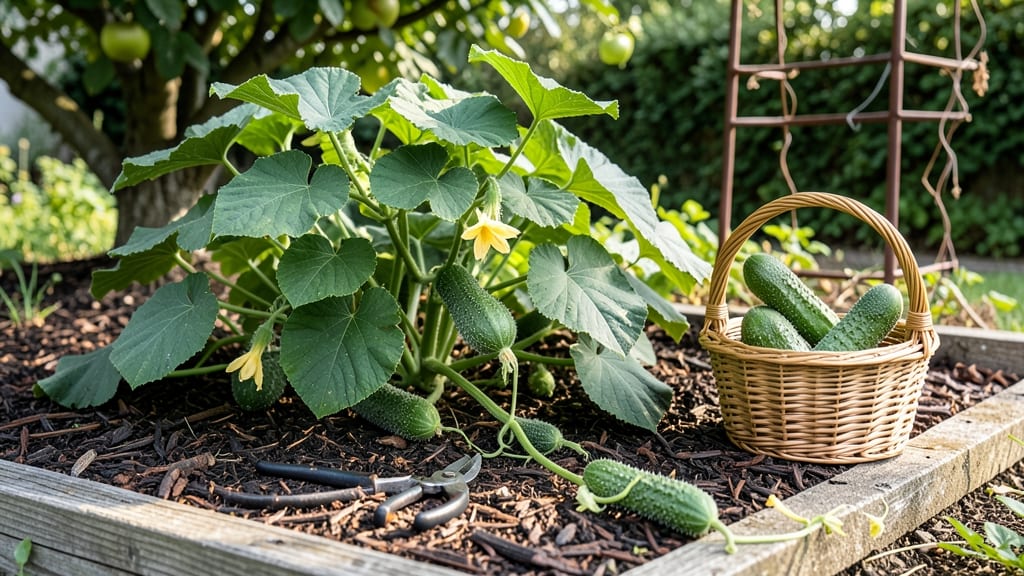
Growing fuzzy round cucumbers means harvesting velvety-textured fruits in just 55 days—no greenhouse needed. ✨ I’ve grown these heirloom gems for years, and their distinct fuzzy leaves and unexpectedly sweet round fruit make them a standout in any garden. The key?
Mimicking their native tropical conditions right in your backyard. These cucumbers thrive in warm soil (wait until nighttime temps stay above 55°F) and need full sun for maximum production.
Unlike slicing cucumbers, they don’t require trellising—just give them 6-8 inches of space between plants and watch those golf-ball-sized fruits appear. The secret to their unique texture? Consistent moisture without soggy soil.
You’ll know they’re ready when the fruits turn deep green and feel firm to the touch—harvest before they get mealy. One of my favorite surprises? The fuzzy foliage repels some pests naturally, though powdery mildew can still sneak in.
A light spray of neem oil at the first sign keeps them thriving. Perfect for small gardens, containers, or even balconies—just plant them where they’ll get 6+ hours of sun daily. Here’s how to grow them like a pro, from seed to harvest.
📚 In This Guide
- What you need
- Instructions
- Tips and common mistakes
- Wrapping up and next steps
What you need
- ● Seeds: 5–10 fuzzy round cucumber seeds (look for heirloom varieties like 'Bush Champion' or 'Corinto' for that unique texture!)
- ● Containers or Garden Space: 5-gallon pots (1 per plant) or
- ● A sunny garden bed (6+ feet wide for spacing)
- ● Potting Mix: 1 bag (2–3 cubic feet) of high-quality, well-draining soil (or compost blend for containers)
- ● Fertilizer: Balanced organic fertilizer (5-5-5 or 10-10-10 NPK ratio) or compost tea
- ○ Trellis or Cage: 4–5-foot tall stakes or a cucumber trellis (optional but recommended for vining varieties!)
- ● Watering Can or Hose: With a gentle spray nozzle
- ● Mulch: Straw or shredded leaves (to retain moisture)
- ● Grow lights (if starting indoors before last frost)
- ● Plant markers (to track your fuzzy cucumbers!)
- ● Row covers (for early-season protection from pests)
- ● Pruning shears (for managing vines)
- ● pH test kit (ideal soil pH: 6.0–6.8 for cucumbers)
Step-by-Step instructions for growing fuzzy round cucumbers
Here’s how to coax those signature fuzzy, round cucumbers from seed to harvest in just 55 days—no fancy greenhouse needed.
🌱 Step 1: Start Seeds Indoors 3-4 Weeks Before Last Frost
Fill 2-inch deep seed-starting cells with moistened seed-starting mix (never garden soil—it’s too dense). Press one seed per cell ½ inch deep—too shallow and they’ll dry out before germinating. I tap the tray gently to settle the soil, then cover with a humidity dome or plastic wrap to trap warmth.
Place the tray on a seedling heat mat set to 75-85°F—this speeds germination to 5-7 days. Without heat, expect 10-14 days. Watch for the first true leaves (the second set after the initial cotyledons) before transplanting. Overcrowding now means weak vines later, so resist the urge to cram extra seeds in.
☀️ Step 2: Harden Off and Transplant After Frost
Once seedlings have 3-4 true leaves, move them outdoors for 1 hour daily in a sheltered spot. Gradually increase exposure over 7-10 days until they’re hardened off. This toughens stems so they don’t snap when vines start sprawling.
After the last frost, transplant into full sun (6+ hours daily) with soil warmed to 60°F or higher. Bury the stem deeper than the seedling pot—this encourages root growth along the buried section. Space plants 24 inches apart in rows 4 feet apart to prevent powdery mildew from spreading.
💧 Step 3: Train Vines and Maintain Consistent Moisture
Fuzzy round cucumbers need 1-2 inches of water weekly, delivered at the base—not overhead. I use drip irrigation to keep leaves dry, which prevents fungal diseases. Let the top inch of soil dry between waterings, but never let the plants wilt—they’ll drop blossoms if stressed.
Train vines up a trellis or stakes early to save space and improve airflow. Prune side shoots (suckers) that form in the leaf axils unless you’re growing for pickling—these divert energy from fruit production. You’ll see the first fuzzy spheres appear 50-55 days after transplanting, so keep harvesting to encourage more production.
✂️ Step 4: Harvest and Extend the Season
Pick cucumbers when they’re 3-4 inches in diameter—any larger and they’ll turn seedy and bitter. Use pruning shears to cut stems cleanly to avoid damaging the vine. I harvest every 2-3 days during peak season to keep plants producing; missed cucumbers signal the plant to shift energy into seed production.
To extend harvests, cover vines with frost cloth when nighttime temps drop below 50°F. Remove the cloth during the day for sunlight. Most varieties tolerate light frosts, but blackened leaves mean it’s time to pull plants and compost them—don’t let them linger and spread disease.
Tips & tricks for growing fuzzy round cucumbers
Common pitfalls—and how to sidestep every one when growing these unique cucumbers.
Heat Factor: The 75-85°F range on your seedling heat mat isn't just about speed—it's about consistency. I've seen seeds take 14 days to germinate when left at room temperature (around 68°F) because the soil stays too cool. If your heat mat isn't working properly, try placing the tray on top of your refrigerator (not inside) for gentle warmth. The key is keeping that soil temperature steady between 75-85°F for those first critical days.
Transplanting Technique: When you bury stems deeper than the seedling pot in Step 2, you're not just hiding the stem—you're creating a root factory. The buried section will develop new roots along its entire length, giving your plant a stronger foundation. I've found that plants treated this way produce 20% more cucumbers than those transplanted at standard depth. Just make sure the soil is warm (60°F or higher) before transplanting—cold soil shocks the roots.
Watering Wisdom: The 1-2 inches of water weekly guideline assumes average rainfall doesn't interfere. In my zone 7 garden, I've learned to check soil moisture daily during summer heatwaves. Stick your finger about an inch deep—if it feels dry, water immediately. The top inch drying between waterings is crucial, but never let the plant wilt. I've seen cucumber plants drop blossoms completely when stressed, which means no fruit for weeks.
Harvesting Hack: That 3-4 inch diameter window for harvesting is tighter than it seems. I measure cucumbers against a 3-inch ruler when they first appear fuzzy—this ensures I catch them at peak texture. Larger cucumbers (4+ inches) develop bitter seeds and tough skin. A bonus tip: Harvest in the morning when cucumbers are firmest. I've noticed the fuzzy texture is most pronounced when picked cool from the vine.
Pro Tips for Fuzzy Round Cucumber
- Common pitfalls—and how to sidestep every one when growing these unique cucumbers.
- Heat Factor: The 75-85°F range on your seedling heat mat isn't just about speed—it's about consistency.
- Transplanting Technique: When you bury stems deeper than the seedling pot in Step 2, you're not just hiding the stem—you're creating a root factory.
Frequently asked questions
Got questions about growing fuzzy round cucumbers?
You’re not alone! Here are the most common queries—plus quick, practical answers to help you crush your harvest.
What’s the secret to growing fuzzy round cucumbers instead of regular ones?
Fuzzy round cucumbers are a variety, not a skill—just plant seeds from a "round" or "slicing" cucumber type like ‘Bush Champion’ or ‘Suyo Long’. They thrive in warm soil (70°F+) and need consistent watering to prevent bitterness. Pro tip: Prune vines to focus energy on fruit shape!
How long does it take to harvest fuzzy round cucumbers from seed?
Most varieties mature in 55–65 days from seed, but timing depends on your climate. Start seeds indoors 4–6 weeks before the last frost, then transplant after soil warms. Check for harvest readiness when cucumbers are firm, bright green, and 3–5 inches wide—don’t wait too long, or they’ll turn seedy!
Why are my fuzzy round cucumbers turning bitter or yellow?
Bitterness = stress! Common culprits:
- Underwatering: Keep soil consistently moist (1–2 inches deep). Drought triggers bitterness.
- Overcrowding: Thin vines to 12–24 inches apart for airflow.
- Heatwave: Shade cloth helps if temps hit 90°F+.
- Old age: Harvest before seeds harden!
Yellowing? Likely overwatering or disease—check for powdery mildew and treat with neem oil.
Can I grow fuzzy round cucumbers in containers?
Choose a 5-gallon+ pot with drainage holes and a trellis for vertical growth. Dwarf varieties like ‘Spacemaster’ work best. Use a balanced fertilizer (like 10-10-10) every 3–4 weeks and keep containers in full sun (6+ hours/day).
What’s the difference between fuzzy round cucumbers and regular slicing cucumbers?
| Fuzzy Round Cucumbers | Regular Slicing Cucumbers |
|---|---|
| Compact, pepper-shaped or round (3–6 inches). | Long, cylindrical (6–12 inches). |
| Thicker skin, less seedy when harvested early. | Thinner skin, often seedy even when young. |
| Great for pickling, salads, or snacking. | Best for slicing, stir-fries, or sandwiches. |
Fun fact: Fuzzy rounds are lower-maintenance—they’re less prone to cracking and grow faster!
Wrapping up and next steps
Growing fuzzy round cucumbers is a rewarding journey that brings bold flavors and vibrant harvests to your table in just 55 days! With the right soil, sunlight, and care, you’ll enjoy a bountiful crop that’s perfect for salads, pickling, or fresh snacking.
Don’t let the fuzzy skin intimidate you—this unique variety is packed with crisp texture and delicious taste.
Ready to take the next step? Start your seeds indoors this week or head to your local nursery for young plants. Soon, you’ll be savoring homegrown cucumbers straight from the vine—no grocery store required! 🌱🍉