
Pests
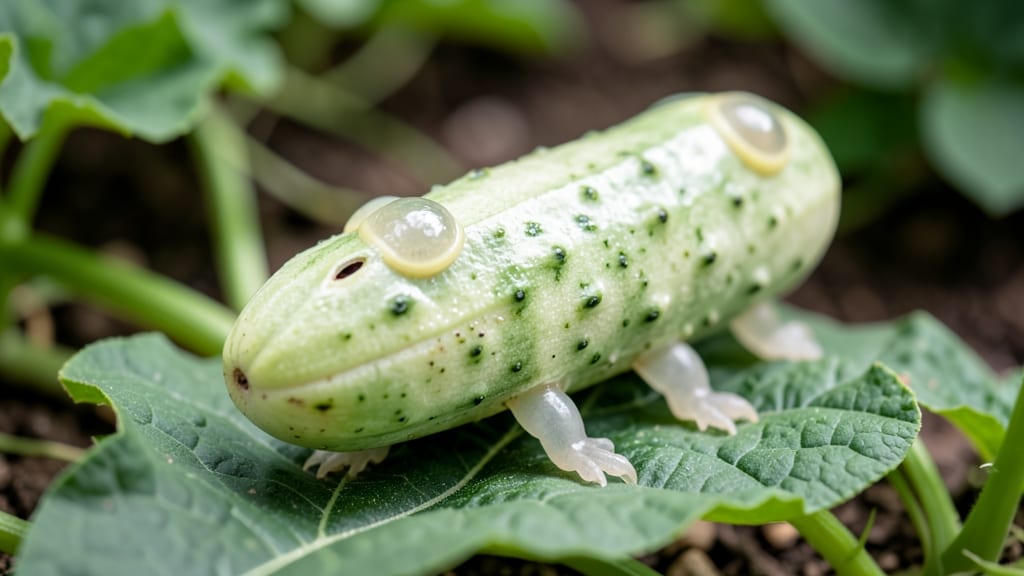
Groundhogs do like cucumbers as part of their diet, especially when they're fresh and crisp. These burrowing rodents enjoy crunchy vegetables but will also nibble on garden plants if food is scarce.
Groundhogs are primarily herbivores, and cucumbers fit their natural preference for high-water, low-toxicity plants. 🌱 The crunchy texture and mild flavor make them an easy snack, though groundhogs will happily munch on almost any garden veggie—especially if they're hungry or defending territory.
In suburban areas, they're more likely to raid gardens than wild fields, which is why many homeowners report cucumber patches disappearing overnight!
What's interesting is how their diet shifts with seasons. While cucumbers are a summer favorite, groundhogs also eat dandelions, clover, and even young tree bark in cooler months. This adaptability makes them both fascinating and frustrating for gardeners!
💡 In This Article
- Groundhog Diet: What Vegetables and Plants They Prefer
- Protecting Your Garden from Groundhog Cucumber Snacks
Groundhog diet: what vegetables and plants they prefer
Groundhogs favor cucumbers because they're packed with 95% water content, making them hydrating and easy to digest.
Their natural diet in the wild includes fresh, tender plants like clover, alfalfa, and dandelions, which provide the same moisture-rich profile. 🌿 The crunchy texture of cucumbers also satisfies their need for fibrous plant matter, which aids digestion in their herbivorous diet.
Unlike some garden pests that target only ripe fruit, groundhogs prefer the crispness of fresh vegetables, making cucumbers a prime target.
Scientifically, groundhogs have a specialized digestive system designed for processing high-fiber, low-toxicity plant material. Their cecum—a pouch-like organ—ferments fibrous plant matter, extracting maximum nutrients from tougher vegetation.
This adaptation explains why they gravitate toward cucumbers and other garden vegetables, which are both nutrient-dense and easy to chew. 🌱 In suburban settings, where natural foraging options are limited, groundhogs become more opportunistic, often raiding gardens for cucumbers, lettuce, and even young tomato plants.
Their preference for cucumbers isn't just about taste—it's about survival. Groundhogs in the wild may travel up to 1 mile per day in search of food, but in suburban areas, they rely on easily accessible garden produce.
Cucumbers, with their high water content and mild flavor, require minimal energy to consume, making them an efficient food source. This is why gardeners often find half-eaten cucumbers near burrow entrances or along property lines.
Comparing groundhogs to other garden pests like rabbits or deer reveals key differences. Rabbits, for example, prefer leafy greens and soft stems, while deer target tender shoots and fruits. Groundhogs, however, are more indiscriminate—they'll eat almost any garden vegetable, including cucumbers, squash, and even corn.
Their burrowing habits also set them apart; unlike rabbits, groundhogs create extensive tunnel systems that can damage garden roots while they forage.
Seasonal availability plays a huge role in their diet. During summer, when cucumbers are abundant, groundhogs will prioritize them over other plants. In fall and winter, they shift to dandelions, clover, and even tree bark for sustenance.
This adaptability is one reason they're so successful in both wild and suburban environments. 🌍 Understanding these dietary patterns helps gardeners predict when and where groundhogs might strike, allowing for proactive protection strategies.