
Vegetables
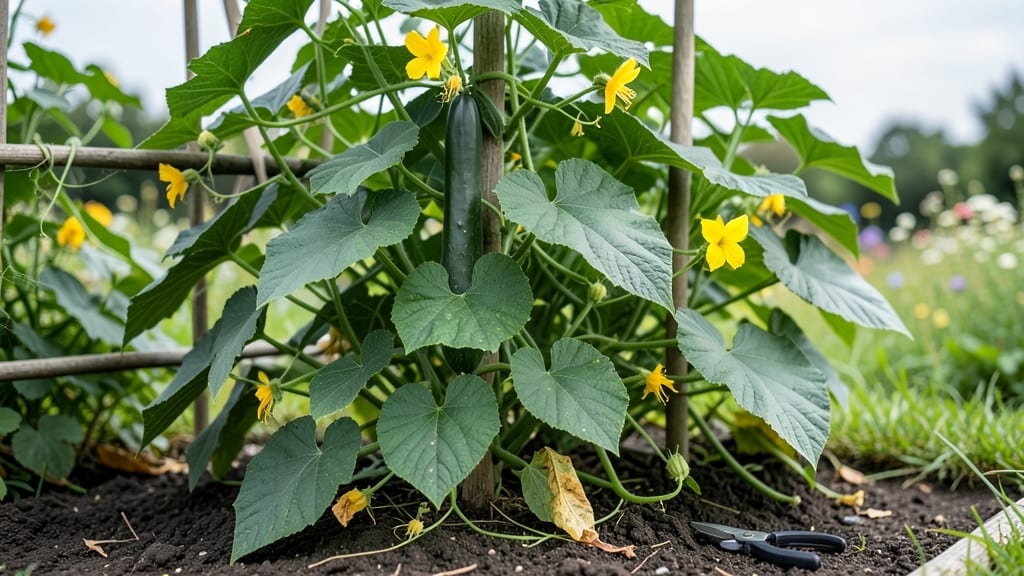
Fifteen-inch cucumbers aren’t just possible—they’re your next backyard showstopper. 🌱 I’ve grown 'Straight Eight' cucumbers for years, and the first time I pulled a 15-inch monster from my trellis, I knew this was the variety to master.
The secret? Pole trellises, consistent care, and a little patience—these cucumbers don’t just grow long, they grow fast.
You’ll need a sturdy 6-foot trellis, rich soil with compost, and a sunny spot getting at least 6 hours of light daily. Plant seeds 1 inch deep, 3 feet apart, and watch them climb.
Water at the base—never overhead—to prevent disease, and mulch to keep roots cool. Prune regularly to encourage upward growth, and you’ll see those signature long cucumbers forming in just 55 days.
Harvesting is the best part—snip those cucumbers when they’re dark green and firm, and you’ll trigger even more production. The flavor? Crisp, sweet, and perfect for slicing or pickling. Plus, companion plants like radishes and nasturtiums keep pests away while adding color to your garden.
Even if you’ve struggled with cucumbers before, this method is foolproof for beginners. The key is consistency—water, prune, and harvest regularly—and you’ll end up with a bounty that makes neighbors ask, "What’s your secret?" Let’s get those vines growing!
📚 In This Guide
- What you need
- Instructions
- Tips and common mistakes
- Wrapping up and next steps
What you need
- ● Seedlings or seeds: Choose a long, heirloom, or giant cucumber variety like ‘Chinese Long,’ ‘Ishikura,’ or ‘Northern Pickling.’ Start with 3-5 healthy seedlings or 10-12 seeds (if sowing directly).
- ● Pole-trellis system: Tall trellis (10-12 ft high) (bamboo poles, metal cages, or sturdy wooden frames).
- ● Twine or jute twine (50 ft roll) for securing vines.
- ● Soft plant ties (10-15) to gently guide vines upward.
- ● Growing medium: Well-draining potting mix (2-3 cubic yards) or loamy garden soil (amend with compost for fertility).
- ○ Raised bed (optional but recommended) for better drainage and warmth (4’x8’ or larger).
- ● Fertilizer: Balanced organic fertilizer (5-5-5 or 10-10-10, 5 lbs) for planting.
- ● Composted manure (2-3 lbs per plant) for ongoing nutrition.
- ○ Liquid seaweed extract (16 oz) for foliar sprays (optional but helpful).
- ● Hand trowel for transplanting seedlings.
- ● Garden gloves (to protect from thorns and soil).
- ● Watering can or hose with a gentle spray nozzle (avoid strong jets that damage vines).
- ● Pruning shears for trimming excess leaves or runners.
- ● pH testing kit (to ensure soil pH is 6.0-6.8).
- ○ Shade cloth (optional) for hot climates (30-50% coverage).
- ● Warm climate or extended growing season: Cucumbers thrive in 70-90°F temperatures. Use row covers if nights are chilly.
- ● Full sun exposure (6-8+ hours daily) for optimal growth.
- ● Consistent moisture: Cucumbers need 1-2 inches of water per week (drip irrigation is ideal).
- ● Patience & commitment: Giant cucumbers take 55+ days to reach harvest size—stay consistent with care!
Step-by-Step guide to growing pole-trellis cucumbers
Here’s how I grow cucumbers that climb to 15 inches—strong vines, massive yields, and all in just 55 days.
🌱 Step 1: Plant Seeds or Transplants at the Right Time
Cucumbers thrive in warm soil, so wait until after the last frost when nighttime temperatures stay above 55°F. I plant mine 2-3 weeks before the last frost date in a greenhouse or use black plastic mulch to warm the soil faster. For direct sowing, place 2-3 seeds per hill, about 1 inch deep—they germinate best in 70-90°F soil.
If using transplants, bury them deeper than the root ball—half the stem underground encourages stronger root growth. Space hills 3-4 feet apart to give vines room to sprawl or climb. Thin to the strongest plant per hill once seedlings have 2-3 true leaves—this prevents competition and ensures bigger cucumbers.
🪴 Step 2: Install a Sturdy Trellis or Pole System
I use a 6-foot-tall trellis or bamboo stakes to support the vines, but you can also string heavy-duty twine between posts. Install it right after planting so the cucumbers have something to grab onto early. Train the main vine along the trellis by gently weaving it through the supports as it grows.
This vertical method saves space and improves airflow, reducing disease risk. Prune side shoots (suckers) that grow below the first flower cluster—focus energy on the main stem and fruit-bearing branches. You’ll see vines climb aggressively once they hit 70°F days, so keep the trellis secure.
☀️ Step 3: Provide Consistent Water and Fertilizer
Cucumbers need 1-2 inches of water weekly, delivered at the base to avoid wetting leaves (which spreads disease). I water deeply in the morning so the soil stays moist but not soggy—dry soil stresses plants and causes bitter fruit. Use a soaker hose or drip irrigation to keep moisture even.
Feed plants with a balanced fertilizer (10-10-10) at planting, then switch to a low-nitrogen, high-potassium blend (5-10-10) when flowers appear. This encourages fruiting over leafy growth. Watch for yellowing leaves—too much nitrogen—and adjust accordingly.
✂️ Step 4: Prune and Harvest for Maximum Yield
Prune aggressively to direct energy to fruit production. Remove all side shoots (suckers) below the first 6-8 inches of the main vine, but leave the ones near the fruit clusters. This keeps the plant focused on growing cucumbers instead of extra foliage. Harvest when cucumbers reach 6-8 inches long—they grow fast, so check vines every 2-3 days.
Use a sharp knife or pruners to cut stems cleanly, leaving a small portion attached. This prevents bruising and encourages more flowers to form. If cucumbers start to yellow or turn bitter, harvest immediately—overripe fruit stresses the plant. I aim to keep vines producing until first frost, often getting 3-4 harvests per plant.
🌿 Step 5: Extend the Season with Protective Measures
To keep cucumbers growing past summer, use row covers or cold frames when nights dip below 50°F. I also mulch heavily with straw to retain soil warmth and moisture. If pests like cucumber beetles appear, handpick them early in the day or use row covers until flowers form.
By 55 days, your vines should be laden with 15-inch giants if conditions are ideal. Keep harvesting, and the plants will keep producing until frost. Save seeds from your best cucumbers for next year—just let a few stay on the vine until fully ripe and yellow.
Tips & tricks for growing towering trellis cucumbers
These are the secrets I've learned after growing cucumbers that reach 15 inches—no small feat for a vegetable that usually stays modest.
Soil Temperature Secret: The soil temperature range of 70-90°F is non-negotiable for germination. I've learned this the hard way—cool soil below 60°F will leave you waiting weeks for those first green shoots. If your soil is still cold, consider using black plastic mulch or a mini greenhouse setup to create that warm environment. This is especially critical if you're planting early before the last frost date.
Trellis Training Technique: In Step 2, when you're installing that 6-foot trellis, don't just attach it and walk away. I weave the main vine through the trellis supports every 2-3 days during the first week—this creates instant anchor points. The vines will naturally spiral as they grow, but giving them a head start prevents them from flopping over when they hit that aggressive climbing phase at 70°F days. Think of it like giving your cucumbers a gym membership to build those vines strong.
Watering Wisdom: Those 1-2 inches of water weekly need to be delivered consistently. I've found that morning watering is crucial—it gives the plants time to dry out during the day, reducing disease risk. The key is maintaining even moisture without waterlogging. I use a simple trick: stick your finger 2 inches into the soil. If it's dry, water; if it's damp, wait. This prevents the bitter flavor that comes from inconsistent moisture, which is especially important when you're growing these giant cucumbers that need all their energy focused on fruit production.
Pruning Precision: When you're pruning those side shoots below the first 6-8 inches in Step 4, be ruthless but strategic. I use sharp pruning shears to make clean cuts just above a leaf node. This prevents damage to the main vine while redirecting energy to fruit production. The goal is to create a single strong main vine with just a few well-placed fruit-bearing branches. This technique might seem counterintuitive—after all, why not let the plant grow wild? But trust me, it's what transforms those 6-8 inch cucumbers into 15-inch monsters.
Pro Tips for 15 Inch Cucumber
- These are the secrets I've learned after growing cucumbers that reach 15 inches—no small feat for a vegetable that usually stays modest.
- Soil Temperature Secret: The soil temperature range of 70-90°F is non-negotiable for germination.
- Trellis Training Technique: In Step 2, when you're installing that 6-foot trellis, don't just attach it and walk away.
Frequently asked questions
Got questions about growing those massive 15-inch cucumbers?
You’re not alone! Here are answers to the most common queries—so you can grow like a pro and avoid common pitfalls.
How do I know if my cucumbers are getting enough sunlight for giant growth?
Aim for 6–8 hours of direct sunlight daily. If your vines look leggy or produce small cucumbers, they’re likely underlit. South-facing spots or trellises near a sunny wall work best. Pro tip: Monitor leaves—yellowing or curling means it’s time to relocate or supplement with grow lights.
Why are my cucumbers only 6–8 inches long instead of 15 inches?
Oversized cucumbers need consistent watering, rich soil, and proper pruning. Check for these red flags:
- Underwatering: Stress = stunted growth. Water at the base daily.
- Overcrowding: Thin vines to 1–2 main stems for better airflow/nutrients.
- Nutrient deficiency: Feed with compost or a balanced fertilizer every 2 weeks.
Can I grow 15-inch cucumbers in containers? What’s the best setup?
Yes! Use a large container (at least 5 gallons) with drainage and a sturdy trellis. Dwarf or bush varieties like ‘Little Leaf’ may not reach 15 inches, but ‘Straight Eight’ or ‘Diva’ can thrive. Fill with well-draining potting mix and fertilize weekly. Pro tip: Keep soil temps above 60°F for optimal growth.
How do I prevent pests from ruining my giant cucumbers before harvest?
Pests like cucumber beetles and aphids love these giants! Try these defenses:
- Handpick beetles early in the morning (drop in soapy water).
- Use row covers until flowers appear, then switch to neem oil sprays.
- Attract predators like ladybugs with companion plants (marigolds, basil).
Are 15-inch cucumbers safe to eat? How do I store or preserve them?
They’re just overgrown regular cucumbers—same nutrients, just fun-sized. Store unwashed in a paper towel-lined container in the fridge for up to 5 days. For long-term storage:
- Pickle them: Slice and brine with vinegar, garlic, and dill.
- Freeze: Peel, seed, and chop for smoothies or soups.
- Ferment: Use in lacto-fermented recipes for probiotics.
Wrapping up and next steps
Growing a 15-inch cucumber isn’t just about bragging rights—it’s a rewarding testament to patience, care, and a little gardening magic! 🌱 With the right pole-trellis setup, nutrient-rich soil, and consistent attention, you’ve got everything you need to turn tiny seeds into giant green giants in just 55 days.
Whether you’re a seasoned gardener or a curious beginner, this project is your chance to push the limits of what’s possible in your backyard.
Ready to harvest your monster cucumbers? Start by planting your seeds this week—mark your calendar, set reminders, and get excited for the day you’ll pull a cucumber longer than your arm! Share your progress (and your giants!) with fellow gardeners for extra motivation. Happy growing! 🌿✨