
Pests
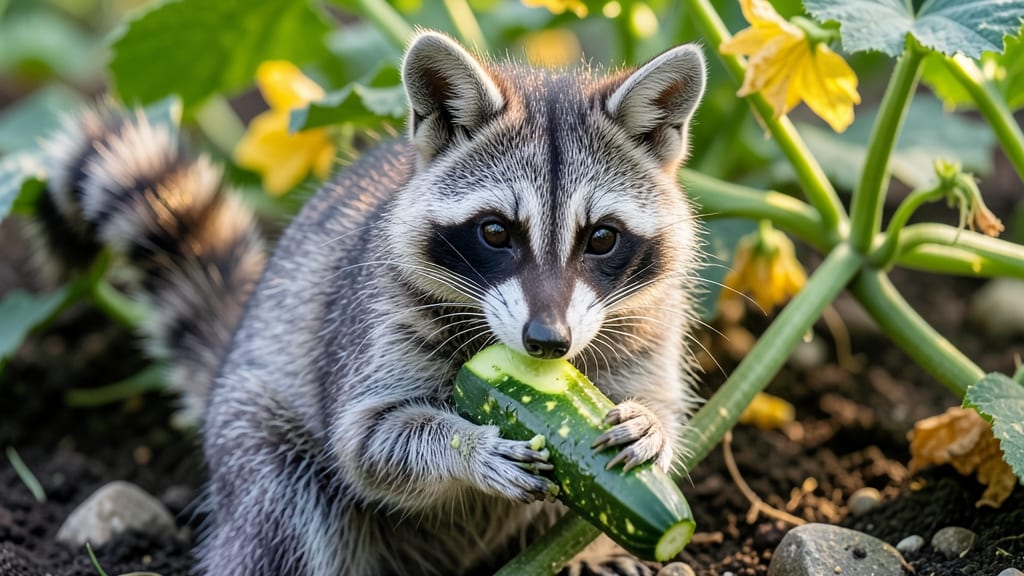
Raccoons do eat cucumbers, often raiding gardens for their sweet, juicy flesh and tender skin, though they prefer softer fruits and vegetables like berries or corn. Their omnivorous diet makes cucumbers a tempting snack when other options are scarce.
Raccoons are opportunistic foragers, and cucumbers become an easy target when their preferred foods—like ripe berries or corn—aren’t readily available. 🌱 Their sharp claws and nimble paws make garden raids effortless, especially during late summer when cucumbers are at peak ripeness.
Unlike some pests, raccoons aren’t picky—they’ll go for whole plants or just nibble the ends, leaving behind a messy trail. Understanding their foraging patterns helps gardeners protect their harvests before damage occurs.
While cucumbers aren’t their top choice, raccoons will devour them if given the chance. Their high-water content makes them hydrating snacks, particularly appealing during dry seasons. I’ve seen raccoons roll cucumbers in the dirt before eating them, likely to enhance flavor or texture.
This behavior highlights why gardeners need proactive strategies—like row covers or motion-activated lights—to keep these clever critters at bay.
💡 In This Article
- Why Raccoons Target Cucumbers in Gardens
- Protecting Your Cucumbers from Raccoon Raids
Why raccoons target cucumbers in gardens
Raccoons are master opportunists with an omnivorous diet that includes fruits, vegetables, insects, and even small mammals. Their attraction to cucumbers stems from the plant's high moisture content—about 95% water—which provides quick hydration during dry seasons.
This is particularly valuable when natural water sources like streams or dew become scarce, especially in late summer when cucumbers reach peak ripeness. 🌿 The sweet, juicy flesh also offers a quick energy boost, making it an ideal snack for raccoons that forage primarily at night when metabolic demands are highest.
Cucumbers' tender skin and soft texture make them easy to handle with raccoons' dexterous front paws. Unlike hard-shelled nuts or tough-skinned fruits, cucumbers require minimal effort to consume. Studies show raccoons use their claws to grip and manipulate objects with precision, almost like human hands.
They'll often roll cucumbers in the soil before eating, possibly to enhance flavor or remove dirt—behavior I've observed in my own garden where partially buried cucumbers showed clear bite marks. This tactile foraging strategy highlights why they prefer garden-raised produce over wild alternatives.
The seasonal availability of cucumbers plays a crucial role in their appeal. Raccoons time their foraging based on food cycles, and garden cucumbers often ripen during July through September, aligning with when natural berry crops decline.
Their preference for high-moisture foods during this period explains why gardeners suddenly notice cucumber thefts when other preferred foods like corn or berries become less abundant. The contrast between a raccoon's natural diet—comprising 30-40% plant matter—and garden produce availability creates this seasonal feeding pattern.
Garden environments offer another advantage: reduced competition. In the wild, raccoons must compete with other animals for food, but gardens provide exclusive access to cucumbers with minimal predators. The combination of easy access, high nutritional value, and seasonal timing makes cucumbers a prime target.
Unlike some pests that focus on specific plant parts, raccoons will consume entire cucumbers or leave behind only the rinds, indicating their indiscriminate but efficient foraging style.
What makes this particularly frustrating for gardeners is that raccoons don't just eat cucumbers—they destroy the plants in the process. Their foraging often involves uprooting entire plants or creating large holes in garden beds while searching for hidden produce.
This physical damage can be more costly than the actual cucumbers consumed, as it disrupts soil structure and exposes roots to pests. The dual threat of consumption and destruction explains why raccoons are considered one of the most problematic garden pests for cucumber growers.
Understanding this behavior helps explain why raccoons target cucumbers even when other foods are available. Their foraging decisions are influenced by a combination of energy efficiency, hydration needs, and habitat accessibility.
In urban and suburban gardens, where natural food sources are limited, cucumbers become an easily accessible alternative that meets multiple dietary needs simultaneously. This multi-faceted appeal makes them particularly challenging to deter without comprehensive garden protection strategies.