
Pests
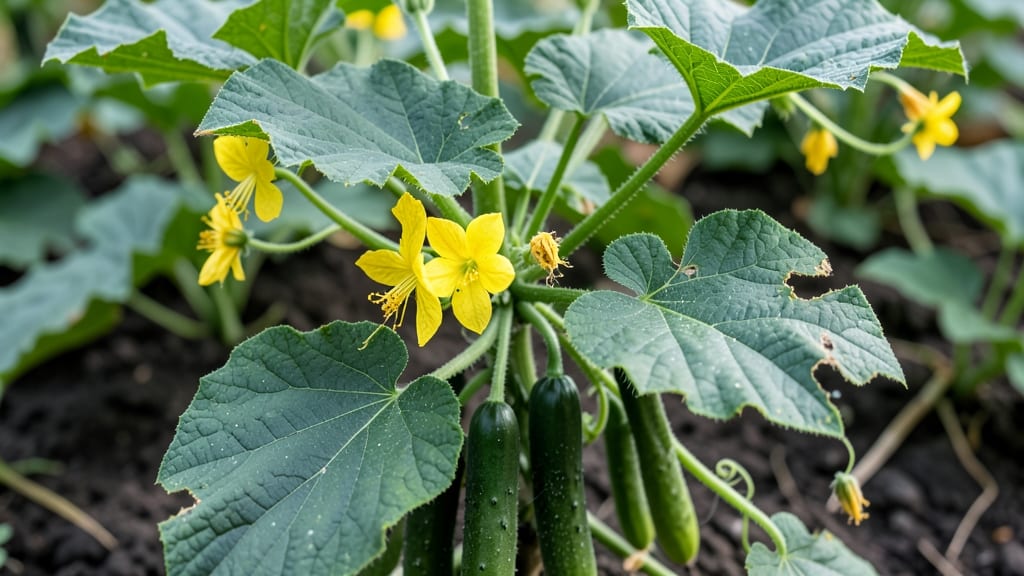
Cucumber plants rank high on deer menus because their tender growth provides both hydration and nutrients during dry seasons. 🌱 The real damage happens in late spring and early summer when new shoots appear—deer will strip entire plants down to the ground in a single night.
Interestingly, mature cucumbers themselves are less appealing; it's the foliage deer crave, which is why gardeners often lose both the crop and the plant structure.
This preference isn't just about hunger—deer also target cucumbers because they're often planted near ground level, making them easy access points. The key to protection lies in understanding these patterns: using repellents during peak growth periods or choosing varieties with naturally prickly stems can dramatically reduce damage.
Many gardeners swear by commercial deer sprays or even homemade garlic-chili mixtures applied to vulnerable plants.
💡 In This Article
- Why Deer Target Cucumber Plants in Gardens
- Effective Deer-Resistant Cucumber Varieties and Repellents
Why deer target cucumber plants in gardens
Deer are drawn to cucumber plants primarily because their young, tender leaves and vines offer a high moisture content and soft texture that's easy to digest. 🌱 Cucumbers are 95% water, making them an especially appealing snack during dry seasons when natural water sources are scarce.
The foliage also contains small amounts of proteins and carbohydrates that provide quick energy for browsing deer. Unlike mature cucumber fruits—which are less palatable due to their tougher skin—deer prefer the leafy growth that's both hydrating and nutrient-rich.
The most vulnerable stage for cucumber plants occurs when they're 3-6 inches tall, as this is when the leaves are most tender.
Deer can strip an entire young plant down to the stem in minutes, leaving gardeners with nothing but a skeleton of vines. 🦌 What's worse, deer often return night after night to finish off what they started, as the regrowth is just as appealing.
Interestingly, mature cucumber vines with their prickly tendrils (like those of the 'Spiky' variety) can deter deer, as the sharp hairs make chewing more difficult and unpleasant.
Seasonal patterns also play a role in deer behavior.
In late spring and early summer, when new cucumber shoots emerge, deer are most active browsers because this coincides with their peak rutting season. 🌿 Male deer, in particular, spend more time foraging to build energy for mating, while does focus on feeding their fawns.
This explains why cucumber gardens often see the worst damage during these months. Understanding these patterns helps gardeners time their protective measures—like installing fencing or applying repellents—before the deer become most active.
Another factor is the height at which cucumbers grow. Since most varieties sprawl along the ground, they're easily accessible to deer, unlike taller plants that might be out of reach. 🌿 The sprawling habit also means more surface area for deer to browse, increasing the likelihood of damage.
This is why raised garden beds or trellises can be effective deterrents—they lift the plants above the deer's natural browsing height. However, even elevated plants aren't completely safe if deer are desperate enough, which is why combining multiple strategies often works best.
Deer also have a strong preference for certain types of vegetation, and cucumber plants fit their ideal foraging profile.
Unlike woody plants or those with strong odors, cucumbers offer a mild, fresh taste that deer find irresistible. 🌱 This preference is rooted in their natural diet, which consists of grasses, clovers, and other soft, leafy plants.
The lack of bitterness or strong aromatics in cucumber foliage makes it a prime target, especially when compared to plants like lavender or rosemary, which deer typically avoid due to their pungent scents.
Finally, deer are creatures of habit, and once they discover a food source, they'll return to it repeatedly.
This is why gardeners who've had deer damage in one season often see it again the next—deer remember where to find easy meals. 🦌 Breaking this cycle requires consistent protection, such as using repellents, planting deer-resistant companion plants, or installing physical barriers.
The key is to make cucumber plants less appealing or harder to access, which can significantly reduce the risk of damage over time.