
Plants
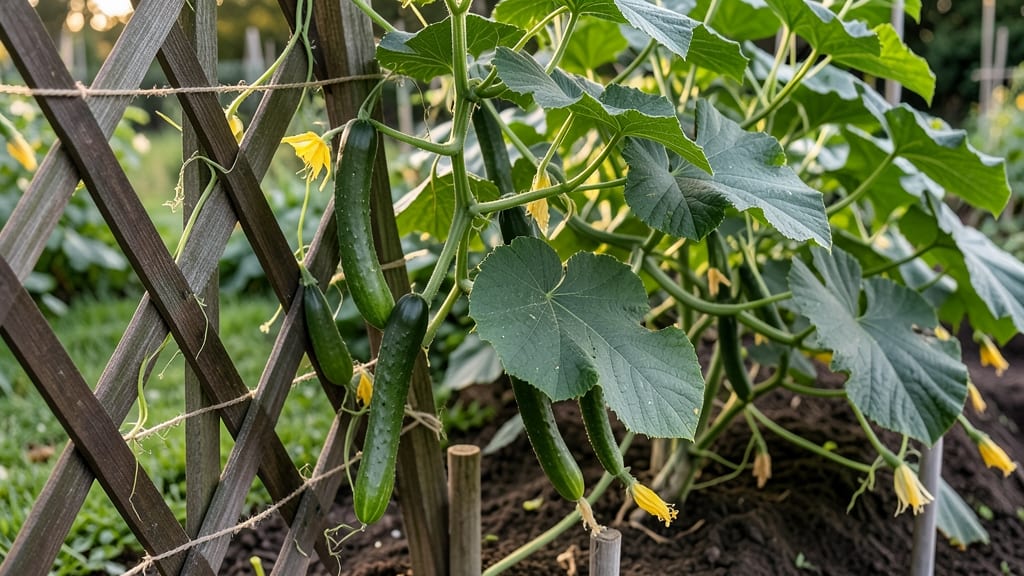
Wondering how high do cucumber plants grow, you’ll find they range from 2 feet to over 20 feet, depending on the variety and training method.
That’s a huge range—imagine a bush cucumber barely clearing your waist versus a vining monster stretching taller than your garage. If you’ve ever struggled to fit cucumbers into your garden, this difference is the key to planning your space right.
Some varieties, like 'Bush Champion', stay compact, while others, such as 'Straight Eight', can sprawl like a jungle vine if left unsupported. The good news? A little trellis or pruning can turn even the tallest cucumbers into a neat, space-saving vertical garden.
Below, I’ll break down the height ranges by variety, when to use support, and how to keep your cucumbers from taking over your yard—or your neighbor’s.


Cucumber vine heights by variety: from compact bushes to towering vines
Cucumber plants come in three main growth categories: compact bush types, semi-bush varieties, and long trailing vines. The height difference between these can be dramatic—some stay under 3 feet while others climb over 20 feet without support.
Choosing the right vine length for your garden space ensures better airflow, easier harvesting, and healthier plants. Let’s explore how these varieties grow and what support they need to thrive.
If you have limited space or prefer low-maintenance gardening, bush cucumbers are your best bet. These varieties grow in compact mounds, typically reaching just 2 to 4 feet tall, making them ideal for containers, small gardens, or even windowsills.
Their shorter vines also mean fewer pests and diseases since they don’t sprawl across the ground. Varieties like 'Bush Champion' and 'Spacemaster' are perfect for beginners or urban gardeners.
For a middle-ground solution, semi-bush cucumbers strike a balance between compactness and productivity. These varieties grow 6 to 10 feet tall and benefit from light trellising or cages to keep vines off the ground. Semi-bush types like 'Sweet Success' and 'Excelsior' produce abundant fruit while staying manageable in size.
They’re great for small backyards or raised beds where you want some vertical growth without committing to a full trellis system.
Now, if you’re dreaming of a lush, vine-covered trellis or fence, trailing cucumbers are the way to go. These varieties can stretch 15 to 20 feet or more if given the right support, producing long, productive vines that maximize vertical space.
Popular trailing types include 'Straight Eight', 'Marketmore', and 'Diva'. Without proper trellising, these vines will sprawl everywhere, competing with other plants and inviting pests.
Here’s a quick visual guide to help you compare the vine heights of common cucumber varieties and plan your garden layout accordingly:
| Variety Type | Mature Vine Height | Best Support System | Space Needs | Ideal For |
|---|---|---|---|---|
| Bush Types | 2–4 ft | None or small cage | Containers, small beds | Urban gardens, balconies |
| Semi-Bush | 6–10 ft | Light trellis or cage | Raised beds, small yards | Beginner gardeners, mixed beds |
| Trailing | 15–20+ ft | Strong trellis or fence | Large gardens, vertical spaces | Maximizing yield, aesthetic trellises |
| 'Bush Champion' | 3 ft | None | 5 sq ft per plant | Containers, small spaces |
| 'Sweet Success' | 8 ft | Cage or trellis | 6 sq ft per plant | Raised beds, small yards |
| 'Straight Eight' | 20+ ft | Trellis or fence | 10+ ft vertical space | Large gardens, pergolas |