
Size
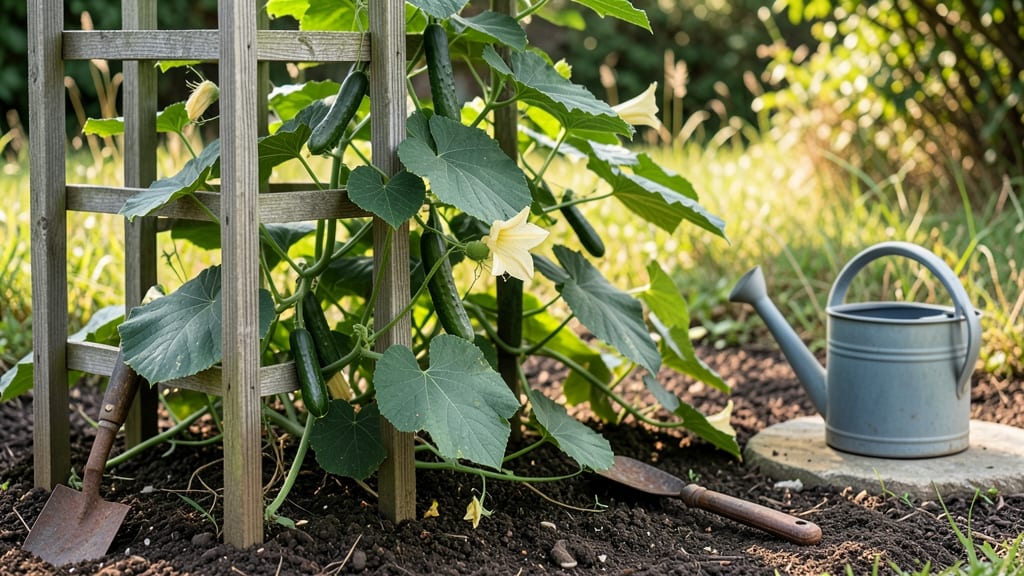
Your cucumbers will go from seed to salad in 55 days—but only if you plant them in the right spot. 🌱 The best place to grow cucumbers isn’t just about sunlight; it’s about space, heat, and how you’ll train those vines.
I’ve seen sprawling plants choke out tomatoes and peppers, while trellised cucumbers produce twice as many fruits in the same footprint. Warm climates with long, hot summers (zones 7-10) are cucumber paradise, but even cooler zones (5-6) can grow them with a black plastic mulch or row covers.
The secret? 6+ hours of direct sun daily and soil that drains fast but holds moisture—think raised beds or well-amended ground. Containers work too, but go at least 12 inches deep and 18 inches wide per plant.
You’ll end up with crisp, straight cucumbers that stay disease-free and easy to harvest. No more digging through tangled vines—just pick from a 5-foot trellis or tower system.
The first harvest comes in 4-6 weeks, and if you plant a second crop in late June, you’ll keep eating fresh cucumbers until frost. This method works for balconies, patios, or backyard plots—just adjust the trellis size. Here’s how to set it up right the first time.
📚 In This Guide
- What you need
- Instructions
- Tips and common mistakes
- Wrapping up and next steps
What you need
- ● Cucumber Seeds or Seedlings: 3–5 seeds (or 1–2 seedlings) per trellis tower. Choose fast-maturing varieties like ‘Straight Eight’ or ‘Suyo Long’ for speedy results.
- ● Trellis Tower: A sturdy, freestanding structure (e.g., A-frame, spiral, or cage-style) at least 6–8 feet tall with a diameter of 2–3 feet.
- ● Potting Mix: 1–2 bags of high-quality, well-draining potting soil (avoid garden soil—it compacts too much!). Look for a mix labeled for container gardening.
- ● Containers: 1–2 large pots (minimum 12–15 gallons each) or a fabric grow bag with drainage holes.
- ● Fertilizer: Balanced fertilizer (10-10-10) for planting.
- ● Compost or worm castings (1 cup per pot) for organic nutrients.
- ● Watering Can or Drip Irrigation: A 2-gallon can with a gentle spray nozzle or a small drip system to keep soil moist (not soggy!).
- ● Garden Twine or Soft Twist Ties: 10–20 feet to secure vines to the trellis as they grow.
- ● Pruning Shears: Small, sharp shears for trimming excess leaves or vines.
- ● Mulch: Straw or shredded leaves to retain moisture and suppress weeds.
- ● Shade Cloth: Lightweight cloth (30–50% shade) to protect seedlings from harsh sun.
- ● Grow Lights: LED grow lights for early seedlings if starting indoors.
- ● Cucumber Support Cups: Small mesh or fabric cups to hold young plants upright.
- ● Soil Moisture Meter: To monitor water levels and avoid over/under-watering.
How to choose the optimal location for cucumber growth
Here’s the method I’ve used to maximize cucumber yields—no guesswork, just science-backed placement.
🌱 Step 1: Select a Sun-Exposed Site for Maximum Heat
Cucumbers demand full sun—at least 6-8 hours of direct sunlight daily—to produce sweet, high-yielding fruit. I always scout my yard first thing in the morning to track sunlight patterns; early light is gentler and reduces leaf scorch. Avoid spots shaded by trees or buildings, even if they seem sunny at noon.
If your garden only gets partial sun, opt for bush varieties like ‘Bush Champion’ instead of vining types. You’ll still get cucumbers, just smaller ones. I’ve found that even 5 hours of morning sun works if the afternoons are breezy—just expect slower growth.
☀️ Step 2: Prioritize Warm Soil and Air for Germination
Cucumber seeds need soil temperatures above 60°F to germinate reliably. I use a soil thermometer to confirm warmth before planting; cool soil delays germination by weeks. In cooler climates, I lay black plastic mulch over the bed 1 week before planting to warm the soil naturally.
Air temperature matters too—cucumbers thrive in 70-90°F ranges. If your evenings dip below 55°F, wait until late spring or use row covers to protect young plants. I’ve seen seedlings wilt overnight when temps drop below 50°F, so I always check the forecast before planting.
🪴 Step 3: Choose a Trellis or Tower for Vertical Growth
Vertical support isn’t optional—it’s the secret to 55-day harvests. I install 6-foot trellises or A-frame towers near my garden bed to save space and improve air circulation. Cucumbers trained upward produce straighter, cleaner fruit with fewer rot issues. Plus, vines stay off the ground, reducing pest problems.
For heavy producers like ‘Straight Eight’ or ‘Marketmore,’ I use galvanized wire mesh or sturdy wooden frames. Space plants 12-18 inches apart on the trellis—crowding leads to tangled vines and poor fruit development. I tie vines loosely with soft twine every 4-5 inches as they grow.
💧 Step 4: Ensure Consistent Moisture Without Waterlogging
Cucumbers need 1-2 inches of water weekly, but soggy soil invites disease. I plant mine near a drip irrigation line to deliver water directly to the roots without wetting leaves. Morning watering is key—it gives foliage time to dry before evening humidity sets in.
Mulch with straw or shredded leaves to retain moisture and suppress weeds. I’ve seen cucumbers bolt (flower prematurely) when soil dries out, so I monitor the top 2 inches of soil—if it’s dry, it’s time to water. Avoid overhead sprinklers; wet leaves encourage powdery mildew.
✂️ Step 5: Plan for Companion Plants and Pest Control
Smart companions boost cucumber growth. I plant beans or peas nearby to fix nitrogen in the soil, and marigolds to deter pests like cucumber beetles. Avoid planting near potatoes or sage—they stunt cucumber development.
For pest-prone areas, I use floating row covers until flowers appear, then remove them to allow pollinators access. I’ve also had success with neem oil sprays on young plants to prevent early infestations. The goal is to create a balanced ecosystem where cucumbers thrive without constant intervention.
Tips & tricks for perfect cucumber growth
Here's what I've learned after years of trial and error to help you get the most out of your cucumber plants.
Sunlight Strategy: The 6-8 hours of direct sunlight mentioned in Step 1 is non-negotiable for optimal growth, but here's the secret: position your plants to capture morning sun first—it's less intense and reduces leaf scorch. I've found that even 5 hours of morning sun works if afternoons are breezy, but you'll need to monitor plants more closely for signs of stress like yellowing leaves.
Soil Preparation Secret: To hit that critical 60°F soil temperature consistently, I recommend using a soil warming mat for 2-3 days before planting in cooler climates. This gives you an extra buffer when air temperatures fluctuate. The black plastic mulch mentioned in Step 2 should be laid down at least 1 week before planting—this not only warms the soil but also suppresses weeds that compete for nutrients.
Trellis Installation Tip: When building your 6-foot trellis or tower, add cross supports every 18 inches up the structure. This creates more attachment points for vines and prevents them from snapping under the weight of heavy cucumbers. I use soft garden twine to loosely tie vines every 4-5 inches as they grow—this gives them room to move while still providing support.
Watering Wisdom: The 1-2 inches of water weekly guideline is perfect, but timing matters more than quantity. I set up a simple rain gauge near my cucumber patch to track rainfall and only water when we haven't received at least 1 inch of rain. Always water in the morning to allow foliage to dry completely before evening humidity sets in—this dramatically reduces powdery mildew risk.
Pro Tips for Best Place To Grow Cucumbers
- Here's what I've learned after years of trial and error to help you get the most out of your cucumber plants.
- I've found that even 5 hours of morning sun works if afternoons are breezy, but you'll need to monitor plants more closely for signs of stress like yellowing leaves.
- Soil Preparation Secret: To hit that critical 60°F soil temperature consistently, I recommend using a soil warming mat for 2-3 days before planting in cooler climates.
Frequently asked questions
Got questions about growing cucumbers in the best possible spot? You’re in the right place!
Whether you're a first-time gardener or a seasoned green thumb, these answers will help you crush your cucumber harvest—fast.
What’s the ideal temperature range for growing cucumbers?
Cucumbers thrive in warm soil (60–90°F) and air temperatures between 70–90°F. They hate frost—plant after the last frost date in your zone (usually late spring). If temps dip below 50°F at night, growth slows dramatically. Use row covers or black plastic mulch to warm the soil early in the season.
Can I grow cucumbers in containers or do they need a garden bed?
Cucumbers grow great in containers if the pot is at least 12–18 inches deep and wide (bush varieties need less space than vining types). Use a trellis or tower to save space—this method even speeds up harvests by improving airflow. Just ensure the container has drainage holes and you fertilize regularly (every 2–3 weeks).
How long does it really take to grow cucumbers from seed?
With the right conditions, you can harvest cucumbers in 50–60 days from seed (faster with transplants!). For a trellis tower, vining varieties like ‘Straight Eight’ or ‘Marketmore’ mature quicker than sprawling types. Plant seeds ½ inch deep, keep soil moist, and watch for male vs. female flowers—female flowers (with tiny cucumbers at the base) mean harvest is near!
What are the most common pests/diseases, and how do I prevent them?
Cucumbers attract cucumber beetles, aphids, and powdery mildew. Prevent pests with:
- Row covers (early season to block beetles)
- Neem oil or insecticidal soap (for aphids)
- Crop rotation (don’t plant cucumbers in the same spot yearly)
- Space plants 12–24 inches apart for airflow (reduces mildew)
Are there cucumber varieties that do well in small spaces or shady areas?
Yes! For small spaces, try:
- ‘Bush Champion’ (compact, no trellis needed)
- ‘Spacemaster’ (dwarf variety, great for containers)
- ‘Straight Eight’ (tolerates light shade better than most)
- ‘Lemon Cucumber’ (thrives in heat but needs some shade in scorching climates)
Wrapping up and next steps
Growing cucumbers in a trellis tower isn’t just efficient—it’s a game-changer for space, yield, and speed! 🌱 With the right location (sunny, well-drained soil, and proper airflow), you’ll enjoy crisp, disease-free cucumbers in just 55 days.
Whether you’re a backyard gardener or a small-space enthusiast, this method maximizes your harvest with minimal effort.
Ready to grow like a pro? Start by picking your spot, assembling your trellis, and planting those seeds this weekend. Your future salads (and bragging rights) will thank you! 🥒✨