
Plants
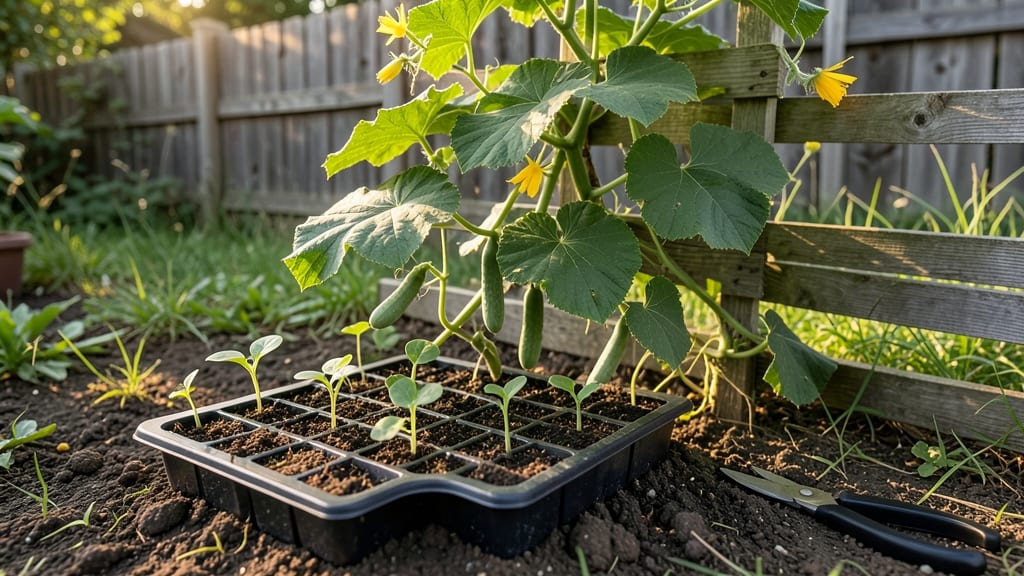
To plant cucumbers in Georgia, aim for mid-March to early May and again in late July to early August — timing that aligns with soil warmth and frost-free windows.
Georgia’s warm climate and long growing season make cucumbers a gardener’s dream—but timing is everything to avoid blistering heat or early frost. Plant too soon, and your vines struggle; too late, and you miss the sweet spot for bumper harvests.
In USDA Zones 7a-8b, the key is waiting until soil temperatures hit 60°F and the last frost has passed. Coastal areas can start earlier, while mountain regions may need to wait until late April or even May.
Below, I break down the exact planting windows by region, plus pro tips for extending your harvest—whether you’re growing 🥒 in the Piedmont or the Coastal Plain.
Georgia’s cucumber planting zones: exact frost-free dates by region
Georgia’s diverse climate—from the cool mountain valleys of Zone 7A to the humid coastal plains of Zone 8B—creates wildly different planting windows for cucumbers. While North Georgia gardeners might be dodging late frosts until May, South Georgia growers can start as early as March.
The key? Soil temperature (aim for 60°F+) and historical frost dates that vary by 100+ miles across the state.
Cucumbers thrive in Georgia’s heat but wilts under stress from early cold snaps or blistering summer sun. To avoid these pitfalls, I’ve broken down the exact planting windows for each USDA Zone, including ideal soil temps, last frost averages, and heat tolerance tips for each region.
Whether you’re in Dahlonega’s high country or Savannah’s flatlands, this guide ensures your vines hit the ground running.
Pro Tip: Use a soil thermometer to confirm readiness—cold soil delays germination, even if air temps are warm. For Zone 7A (North GA), wait until April 15; for Zone 8B (South GA), you can start as early as March 1.
Georgia Cucumber Planting Guide by USDA Zone
| Zone | Last Frost Date | Planting Window | Soil Temp (°F) | Heat Tips |
|---|---|---|---|---|
| 7A (North GA: Blue Ridge) | April 15 | April 20–May 10 | 60–65°F | Use black plastic mulch; plant near south-facing walls |
| 7B (Piedmont: Athens) | April 1 | April 1–April 20 | 60–65°F | Succession plant every 2 weeks; avoid low-lying areas |
| 8A (Central GA: Macon) | March 15 | March 15–April 5 | 65–70°F | Use shade cloth (30%) for summer; drip irrigation |
| 8B (South GA: Savannah) | February 15 | March 1–March 15 | 70–75°F | Plant bush varieties; mulch heavily to retain moisture |
Note: For summer planting (July–August), aim for 60–65°F soil again to avoid heat stress. Coastal areas can extend seasons with row covers.
In Zone 7A (North GA), where mountain frosts linger until mid-April, I recommend waiting until April 20 to plant. The Blue Ridge region experiences
Pro tips for extending Georgia’s cucumber season: succession planting & heat management
Georgia’s long growing season gives cucumbers a fighting chance, but heat waves and early frosts can cut your harvest short. The secret? Succession planting and smart heat management.
By staggering plantings and using simple tricks like shade cloth or cold frames, you can enjoy cucumbers from May through October—or even later!
In Zone 7A (North Georgia), cooler nights and earlier frosts demand early starts under protection. Meanwhile, Zone 8B (South Georgia) faces brutal summer heat that can scorch vines.
The right cucumber varieties and planting schedule make all the difference. Let’s break down how to keep your plants happy—and productive—throughout the season.
For Zone 7A, a cold frame or row cover can push your first planting into mid-March, giving you a head start. Choose bush varieties like 'Bush Champion' for smaller spaces—they’re compact but still productive.
In Zone 8B, focus on heat-tolerant types like 'Southern Vining' or 'Slicemaster', which thrive in humid heat.
Watering is critical—deep soakings in the morning prevent fungal diseases like powdery mildew, which thrives in Georgia’s humidity. Mulch with straw or black plastic to retain moisture and regulate soil temperature. Avoid overhead watering after noon, as wet foliage invites pests.
Harvest frequently to encourage more production. Pick cucumbers when they’re 4-8 inches long and deep green—leaving them too long reduces yield and attracts pests. In late summer, reduce water slightly to sweeten fruit and improve flavor for your final harvest.
With these strategies, you’ll turn Georgia’s challenging climate into a cucumber lover’s paradise. Whether you’re battling early frosts or scorching heat, succession planting and smart heat management keep your vines happy—and your kitchen stocked—all season long. 🥒