
Propagation
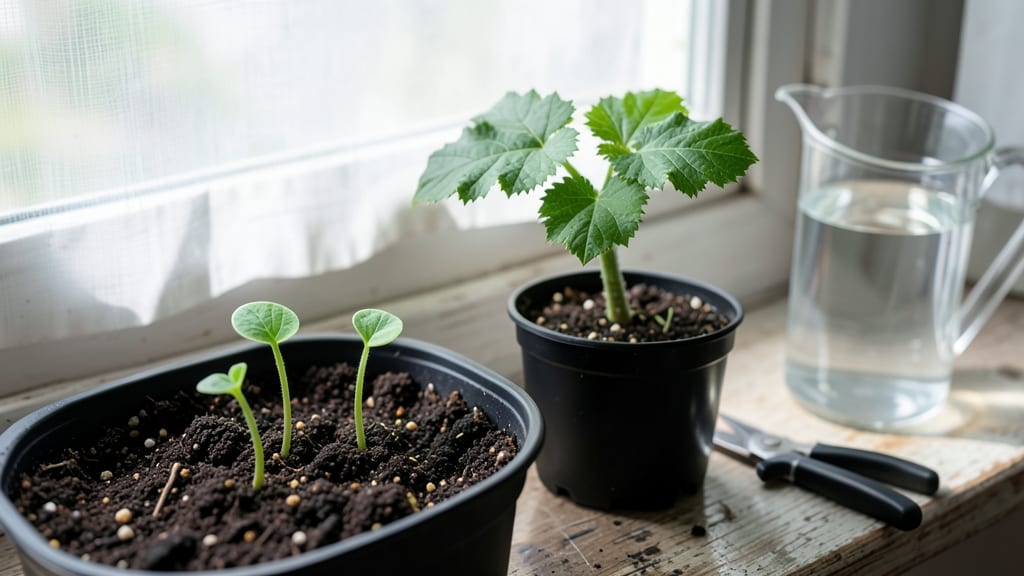
Many gardeners assume you do cucumbers need light to germinate, but the truth is, they sprout best in the dark—even seasoned growers are often caught off guard.
Picture this: You’ve planted your 🥒 cucumber seeds in a sunny spot, watered them just right, and waited… and waited. Weeks pass, but nothing happens. The truth? Light isn’t just unnecessary for germination—it can actually slow it down or even prevent it entirely.
The key is keeping those seeds cozy and dark until they’re ready to stretch toward the sun.
This isn’t just a trick for faster sprouts—it’s science. Without light, seeds focus all their energy on breaking through the soil instead of searching for sunlight. Once they’ve sprouted, though, the rules change completely.
I’ll show you exactly how to set up your seeds for success, from the perfect moisture levels to the moment you can finally move them into the light.
By the end of this guide, you’ll know the exact conditions cucumbers need to pop up in just 5-7 days, plus how to avoid the most common mistakes that leave seedlings weak or stunted. Let’s get those seeds growing!

Why cucumber seeds germinate better in darkness (and how to do it)
If you've ever struggled to get your cucumber seeds to sprout, you might be making a common mistake—exposing them to light too soon. Surprisingly, cucumbers thrive in darkness during germination, which actually speeds up the process.
This might seem counterintuitive, but science explains why darkness helps seedlings emerge faster and stronger.
The reason lies in how seeds store energy. During germination, seeds rely on stored starches to fuel growth. Light can actually inhibit this process by triggering early photosynthesis, which diverts energy away from root development.
Keeping seeds in the dark ensures they focus on root and shoot growth first, leading to healthier seedlings later.
For best results, maintain a consistent temperature between 70-90°F (21-32°C) and keep the growing medium moist but not soggy. Too much moisture can cause rot, while too little slows germination. The key is finding that perfect balance for optimal seedling development.
Now that you understand why darkness works, let's dive into the step-by-step process for germinating cucumber seeds in the dark. Whether you're using paper towels, peat pots, or seed-starting trays, these methods all rely on the same principles. Here's how to do it right:
Step-by-Step Dark Germination Guide
-
Step 1: Prepare Your Seeds
Soak cucumber seeds in warm water for 4-6 hours to soften the outer shell. This speeds up germination by 1-2 days. Drain well before proceeding. -
Step 2: Choose Your Medium
Use paper towels, peat pots, or a seed-starting tray with moistened potting mix. Paper towels work fastest but require careful moisture control. -
Step 3: Plant the Seeds
Place seeds ½ inch deep in moist medium (or between damp paper towels). Space them 1 inch apart to avoid overcrowding. -
Step 4: Create Darkness
Cover the container with a black plastic bag, aluminum foil, or place it in a dark cabinet. Ensure no light leaks in—even indirect light can slow germination. -
Step 5: Maintain Ideal Conditions
Keep the medium at 75-85°F (24-29°C) using a seedling heat mat if needed. Check moisture daily—spritz with water if the surface dries. -
Step 6: Monitor for Sprouts
Sprouts typically appear in 3-7 days. Once you see green shoots, remove the cover and move to bright, indirect light for 24 hours before full sun.
One of the biggest mistakes gardeners make is skipping the dark phase entirely. While cucumbers do need light eventually, exposing seeds to it too early can lead to weak, leggy seedlings that struggle to stand upright.
The dark germination trick ensures your seedlings develop strong roots and sturdy stems before they even see sunlight.
After germination, you’ll want to transition seedlings to bright light gradually. Start with 4-6 hours of indirect light daily and slowly increase exposure over 3-5 days.
This prevents sunburn and helps seedlings adjust to photosynthesis. Too much light too soon can cause chlorosis (yellowing leaves) or even stunted growth.
For those using peat pots, this method has an added bonus—you can transplant seedlings directly into the soil without disturbing their roots. Simply place the pot in the ground and water thoroughly. This reduces transplant shock and gives your cucumbers a head start in the garden.
If you're growing cucumbers indoors, consider using a grow light once seedlings have their first true leaves. A full-spectrum LED bulb placed 6 inches above the plants for 12-14 hours daily mimics natural sunlight and promotes healthy growth. Avoid placing seedlings near cold windows, as drafts can stress young plants.
Remember, the goal during germination is to create an environment where seeds focus solely on breaking dormancy and establishing roots. Light comes later—once your seedlings are ready to photosynthesize. By following these steps, you’ll see faster, healthier sprouts and a more productive cucumber harvest.
Pro tip: Label your seed trays with the planting date and variety to track progress. This helps you adjust care routines based on each cucumber type’s specific needs. Happy germinating! 🌱
Light requirements after germination: when and how to introduce sunlight
Once your cucumber seeds have sprouted in their dark, cozy environment, the next critical phase is introducing sunlight. This transition typically happens 7-14 days after germination, depending on your growing conditions. Seedlings that receive light too soon may develop weak stems or yellowing leaves, signaling light deprivation stress.
The key is gradual exposure to prevent shock.
Start by placing your cucumber seedlings in a location with indirect sunlight for the first 2-3 days. A south-facing window with sheer curtains works well, or use a grow light set to 12 hours per day at a distance of 6-12 inches.
Avoid placing them directly under harsh midday sun, which can scorch tender leaves.
Watch for signs of light deprivation like elongated, leggy stems or pale yellow leaves. These are clear indicators your seedlings need more light. If you notice these symptoms, increase the light exposure by 1-2 hours daily until they’re receiving 6-8 hours of sunlight per day, which is ideal for cucumbers.
⚠️ callout warning ⚠️
⚠️ Danger: Over-Exposing Seedlings
Cucumber seedlings are delicate and can suffer from sunburn or heat stress if moved too quickly into full sun. Gradual exposure over 5-7 days prevents shock and promotes stronger growth. Avoid placing them under direct midday sun until they’ve hardened off.
After the initial adjustment period, gradually increase sunlight exposure. If growing indoors, rotate your seedling trays daily to ensure even growth. Outdoor seedlings should be acclimated by moving them to a shaded spot for a few hours before transitioning to full sun.
This process mimics natural conditions and helps harden off your plants for transplanting.
By day 10-14, your cucumber seedlings should be ready for full sun exposure. At this stage, they’ll develop thicker stems and darker green leaves, signaling they’re thriving.
Keep an eye on soil moisture during this transition—consistent watering is crucial to avoid stress from both light and hydration changes.
Remember, cucumbers are sun-loving plants, but rushing their introduction to light can backfire. Patience during this phase ensures your seedlings grow into healthy, productive vines ready for transplanting or container growth. With the right balance, you’ll be harvesting crisp cucumbers in no time! 🥒