
Diseases
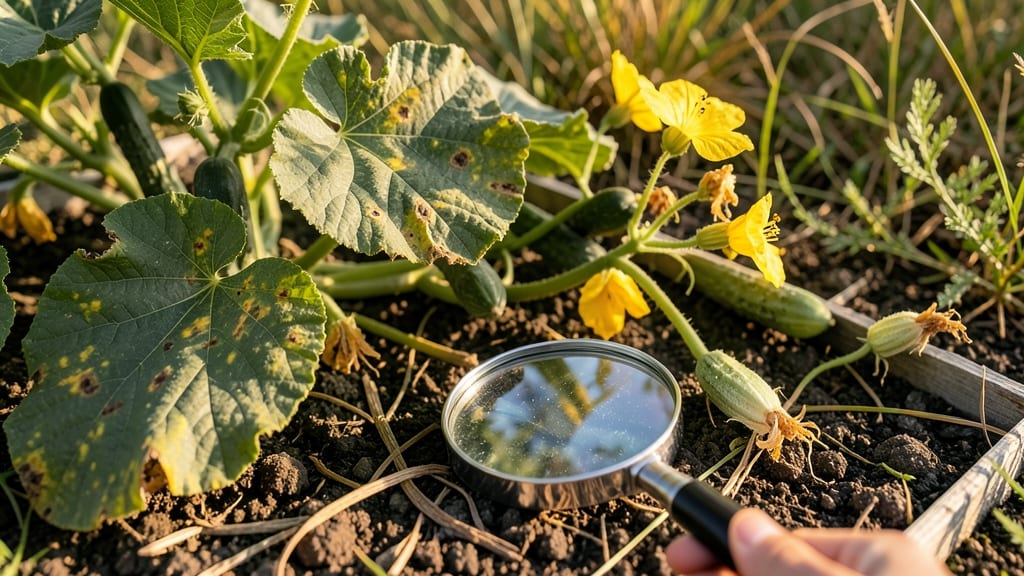
Those telltale signs of cucumber diseases—like the yellowing of leaves—can strike fast, but diagnosing the root cause early saves your harvest in just three simple steps. 🌿 I’ve seen this happen to my own plants when powdery mildew or nutrient deficiencies sneak in, and the good news is that catching... it early makes all the difference.
The first step is identifying whether your leaves are yellowing from disease, pests, or something as simple as overwatering.
Most common culprits are powdery mildew (white fuzzy spots), bacterial leaf spot (water-soaked brown patches), or nutrient deficiencies (yellowing between veins). The key is checking the undersides of leaves and stems for signs—powdery mildew thrives in humid conditions, while bacterial spots spread fast in wet weather.
If the problem is nutrient-related, you’ll often see yellowing paired with stunted growth or weak stems.
Once you’ve pinpointed the issue, treatment is straightforward: preventative sprays (neem oil or baking soda mix) for mildew, copper-based treatments for bacterial spots, and balanced fertilizer for deficiencies.
The goal is to act fast—within 48 hours of noticing symptoms—to save your plants and keep them producing crisp, healthy cucumbers all season.
This method works for container gardens, raised beds, or in-ground plots, and the same principles apply whether you’re growing slicing cucumbers or pickling varieties. The sooner you address yellowing leaves, the sooner your plants bounce back—and that means more harvests for you.
Root Causes Behind Leaf Yellowing
Yellowing leaves on your cucumbers can feel like a mysterious betrayal—one day your plants are thriving, the next, they’re throwing a sad, chlorotic parade. 🌱💛 But fear not! The culprits are usually one (or more) of these science-backed triggers.
Let’s break down the why behind the wilt so you can tackle the problem like a detective with a magnifying glass.
When cucumber leaves start turning yellow, especially between the veins (a condition called interveinal chlorosis), your plants might be screaming for help—but in plant language. Nutrient deficiencies are a top suspect, and the most common offenders are:
- Iron (Fe) Deficiency 🔥 - Why it happens: Iron is essential for chlorophyll production, and if the soil pH is too high (alkaline), iron becomes locked away and unavailable to roots.
Yellowing between veins is classic. - Actionable clue: Younger leaves show symptoms first, while older ones stay green. Test your soil—aim for a pH of 6.0–7.0 for optimal iron uptake.
- Magnesium (Mg) Deficiency 🌡️ - Why it happens: Magnesium is the backbone of chlorophyll.
If the soil is depleted or leached (common in sandy soils), older leaves turn yellow first because the plant prioritizes new growth. - Actionable clue: Look for yellow patches that spread from the edges inward.
Apply Epsom salt (magnesium sulfate) as a foliar spray or soil drench (1 tablespoon per gallon of water).
- Nitrogen (N) Deficiency 📊 - Why it happens: Nitrogen fuels leafy growth, and a shortage causes general yellowing (not just between veins). This often happens if soil is overworked or if compost/organic matter is lacking. - Actionable clue: All leaves yellow uniformly, and growth slows.
Boost with blood meal or a balanced organic fertilizer (e.g., 10-10-10).
💦 "Too much love can kill your plants!" Overwatering is a stealthy killer that rots roots and suffocates them, leading to yellow leaves. Here’s how it plays out:
- Root Rot (Fungal Attack) ⚰️ - Why it happens: Waterlogged soil cuts off oxygen to roots, inviting Pythium or Phytophthora fungi.
Roots turn mushy, and leaves yellow as the plant can’t absorb water or nutrients. - Actionable clue: Check the soil—if it’s soggy for more than 24 hours after watering, you’re overdoing it. Improve drainage with perlite or gravel in pots, or raise beds for in-ground plants.
- Nutrient Leaching 🚨 - Why it happens: Excess water washes away soluble nutrients (like nitrogen and potassium) faster than roots can absorb them. Yellowing leaves + stunted growth = your plants are starving and drowning. - Actionable clue: Water deeply but infrequently (1–1.5 inches per week).
Use mulch to retain moisture without drowning roots.
Not all yellowing is environmental—some culprits are microscopic invaders or pests that suck the life out of your cucumbers. Watch for these red flags:
- Spider Mites or Aphids 🕷️🐜 - Why it happens: These sap-sucking pests inject toxins that cause yellowing, curling, or stippling (tiny white dots). They thrive in dry, dusty conditions. - Actionable clue: Inspect leaves for fine webbing (mites) or sticky residue (aphids).
Blast them off with a strong spray of water or use neem oil (1 tsp per liter of water).
- Bacterial or Fungal Infections 🍄🔬 - Why it happens: Diseases like bacterial leaf spot or powdery mildew clog leaf pores, blocking nutrient uptake. Yellowing often accompanies spots, lesions, or white powder. - Actionable clue: Isolate infected plants.
Treat with copper fungicide (for bacterial issues) or baking soda spray (1 tsp baking soda + 1 quart water + a drop of soap).
- Viral Infections (e.g., Cucumber Mosaic Virus) 🦠 - Why it happens: Viruses spread via aphids or contaminated tools, causing mosaic patterns (yellow/green patches) and stunted growth.
There’s no cure—only prevention. - Actionable clue: Remove infected plants immediately and disinfect tools with 70% alcohol. Use row covers to block aphids.
Your cucumbers might be throwing a tantrum because of heat, cold, or light issues. Here’s how to decode their mood swings:
- Heat Stress 🌞🔥
- Why it happens: Temperatures above 90°F (32°C) cause sunburn or physiological leaf drop. Leaves may yellow or develop brown edges.
- Actionable clue: Provide shade cloth (30–50% coverage) during peak sun. Water early morning to reduce evaporation stress.
- Cold Stress or Frost ❄️ - Why it happens: Cucumbers are tender annuals—they wilt or yellow when exposed to temps below 50°F (10°C).
Frost is a death sentence. - Actionable clue: Use row covers or black plastic mulch to warm soil. Avoid planting until soil reaches 60°F (15°C).
- Light Deficiency 🌑
- Why it happens: Cucumbers need 6–8 hours of direct sun. Shady spots lead to pale, yellowing leaves and weak vines.
- Actionable clue: Move plants to a sunnier location or supplement with grow lights (12–14 hours/day). Avoid overcrowding—vines need air circulation.
Sometimes, well-meaning treatments backfire. Here’s how to spot self-inflicted wounds:
- Fertilizer Burn 💥
- Why it happens: Overapplying synthetic fertilizers (especially high in salt) damages root cells, causing yellowing, crispy edges, or wilting.
- Actionable clue: Flush soil with water to dilute salts. Switch to organic fertilizers (like compost tea) for gentler nutrition.
- Herbicide Drift 🚫 - Why it happens: Wind can carry glyphosate or other herbicides from nearby lawns, causing yellowing, stunted growth, or death. - Actionable clue: If you suspect drift, remove contaminated plants and test soil for residues.
Avoid planting cucumbers near treated areas for 6 months.
Not all yellowing is a crisis! Older leaves naturally produce less chlorophyll as they age, leading to senescence (gradual yellowing before dropping).
This is normal if: - Only the lowest leaves yellow. - The plant looks healthy otherwise (no spots, wilting, or pests). - New leaves stay green and vibrant.
Actionable tip: Prune yellowed lower leaves to redirect energy to fruit production—but don’t panic if a few fade! 🌿
Fix Yellowing Cucumber Leaves Fast
Yellowing leaves on your cucumbers can feel like a gut punch—especially when you’ve put in all that effort to grow them. But don’t panic! With the right diagnosis (from our previous section) and these targeted fixes, you can revive your plants and keep them thriving.
Below, we map the most common causes to practical, step-by-step solutions, plus prevention tips to keep future harvests healthy.
Fungal diseases thrive in damp, humid conditions and can spread like wildfire if left untreated. Act fast with these organic and chemical-friendly remedies.
🔥 Step 1: Remove Infected Leaves Immediately
- 🍳 Snip off yellowing or spotted leaves with sterilized scissors (wipe with rubbing alcohol between cuts).
- 👨🍳 Dispose of them in the trash (not compost)—fungi can survive in soil.
- ⏰ Do this in the morning so leaves dry quickly, reducing moisture for fungal spores.
🥘 Step 2: Apply Fungicide (Choose Your Weapon)
| Method | How to Use | Frequency |
|---|---|---|
| Neem Oil Spray | Mix 1 tsp neem oil + 1 tsp mild soap + 1 quart water. Spray undersides of leaves (where spores hide). | Every 5–7 days until cured. |
| Baking Soda Solution | 1 tsp baking soda + 1 quart water + few drops of soap. Spray early morning. | Weekly until symptoms fade. |
| Copper Fungicide | Follow label instructions (e.g., Copper Soap or Cheshunt Compound). | Every 7–10 days. |
| Commercial Fungicide | Use Myclobutanil or Potassium Bicarbonate for severe cases. | As directed on packaging. |
🌡️ Step 3: Improve Airflow & Reduce Humidity
- 💡 Space plants 12–18 inches apart (crowding = fungal paradise).
- ✨ Prune nearby plants blocking airflow.
- 🎯 Use a fan on low setting (24/7) to circulate air—fungi hate movement!
- 🌧️ Water at the base (not overhead) and early in the day so leaves dry by sunset.
🔥 Prevention Tips for Fungal Recurrence
- 🌿 Rotate crops—don’t plant cucumbers in the same spot next year.
- 🌡️ Mulch with straw (not plastic) to reduce soil splash onto leaves.
- 💡 Plant resistant varieties like ‘Straight Eight’ or ‘Lemon Cucumber’ if fungi are chronic.
Yellowing leaves from root stress (too much water, compacted soil, or poor drainage) can mimic fungal issues—but the fix is simpler.
🔥 Step 1: Check the Soil
- 🍳 Stick your finger 1 inch deep—if it’s soggy, you’re overwatering.
- 👨🍳 Press a handful of soil—if it clumps tightly, your soil is too compacted.
🥘 Step 2: Adjust Your Watering Routine
- ⏰ Water deeply but infrequently—1–1.5 inches per week (including rain).
- 💡 Use the "finger test"—only water if the top inch is dry.
- 🎯 Ditch the sprinkler—use a soaker hose or drip irrigation at the base.
🌡️ Step 3: Improve Drainage (If Needed)
- 🔥 Amend soil with perlite, vermiculite, or compost (20% mix).
- 💡 Raise beds if your garden has heavy clay—elevate cucumbers in containers if drainage is terrible.
- 🌱 Add compost to improve soil structure and aeration.
🔥 Prevention Tips for Root Health
- 🌿 Plant cucumbers in well-draining soil (avoid low spots where water pools).
- 🌡️ Use raised beds or containers if your garden stays soggy.
- 💡 Mulch with straw to retain moisture evenly (no more guesswork!).
Yellowing leaves can signal malnutrition—especially if older leaves turn yellow first (nitrogen) or new leaves stay pale (iron/magnesium).
🔥 Step 1: Identify the Deficiency
| Symptom | Likely Cause | Quick Fix |
|---|---|---|
| Older leaves yellow | Nitrogen deficiency | 💡 Side-dress with compost or use blood meal (5 tbsp per plant). |
| New leaves pale/yellow | Iron/Magnesium | 🌱 Spray with chelated iron or Epsom salt (1 tbsp per gallon water). |
| Yellow veins, green edges | Magnesium | 💡 Work in dolomitic lime (follow package rates). |
🥘 Step 2: Fertilize Smartly
- ⏰ Feed in the morning so nutrients absorb better.
- 🌱 Use a balanced fertilizer (10-10-10) every 3–4 weeks during growing season.
- 💡 For organic growers: Fish emulsion (nitrogen) or kelp meal (micronutrients).
🌡️ Step 3: Boost Soil Health Long-Term
- 🔥 Plant a green manure crop (like clover) before cucumbers to naturally enrich soil.
- 💡 Avoid over-fertilizing—too much salt can burn roots (stick to recommended doses).
- 🌱 Test your soil (DIY kits at garden centers) to pinpoint exact deficiencies.
Pests sap nutrients from leaves, causing yellowing. Here’s how to evict them fast.
🔥 Step 1: Inspect & Remove Pests
- 🍳 Check undersides of leaves for tiny green/black bugs (aphids) or fine webbing (mites).
- 👨🍳 Blast off pests with a strong spray of water (aphids hate this!).
- 🔪 Handpick larger pests (like cucumber beetles) and drop in soapy water.
🥘 Step 2: Apply Natural Pesticides
| Pest | Remedy | Frequency |
|---|---|---|
| Aphids | 💡 Soap spray (1 tbsp castile soap per quart water) or neem oil. | Every 3–4 days until gone. |
| Spider Mites | 🌱 Spray with water (they dry out fast) + neem oil. | Every 5 days. |
| Cucumber Beetles | 🔥 Row covers (floating fabric) or pyrethrin spray. | Reapply after rain. |
🌡️ Step 3: Prevent Future Infestations
- 🌿 Plant companion plants like nasturtiums (aphids love them more than cucumbers!).
- 💡 Encourage predators—ladybugs and lacewings eat aphids naturally.
- 🎯 Rotate crops to starve pest cycles (don’t plant cucumbers in the same spot yearly).
- 💡 Cucumber leaves should be dark green and crisp—yellow = SOS signal!
- ⏰ Monitor daily—catch issues early before they spread.
Frequently asked questions
Why do my cucumber leaves turn yellow first between the veins?
This classic symptom usually signals an iron deficiency—common in alkaline soils where iron becomes locked away. Test your soil pH (ideal: 6.0–7.0) and apply chelated iron or Epsom salt (1 tbsp per gallon) as a foliar spray. Iron is mobile in plants, so younger leaves show symptoms first.
Can overwatering cause yellow leaves on cucumbers?
Waterlogged soil cuts off oxygen to roots, leading to root rot and yellowing. Check soil moisture—if soggy 24+ hours after watering, you're overdoing it. Improve drainage with perlite or gravel in containers, and water only when the top inch is dry.
How do I tell if yellow leaves are from disease vs. nutrient issues?
Diseases (like powdery mildew) show spots, powdery growth, or curling alongside yellowing, while nutrient deficiencies cause uniform yellowing without spots. Check leaf undersides for fungal signs, and test soil for pH/nutrient levels—diseases need immediate removal of infected leaves and fungicide.
Will pruning yellow leaves help my cucumber plants?
Yes—but only if the yellowing is localized to older leaves (natural senescence) or disease-free. Prune to redirect energy to fruit production, but avoid cutting healthy growth. For diseased leaves, remove them immediately and dispose of them in the trash (not compost) to prevent spread.
Are there cucumber varieties resistant to leaf diseases?
Yes! Try disease-resistant varieties like 'Straight Eight' (powdery mildew-resistant) or 'Lemon Cucumber' (bacterial spot-resistant). These are bred to handle common pathogens—ideal for humid climates. Always rotate crops yearly to prevent soil-borne disease buildup.