
Pests
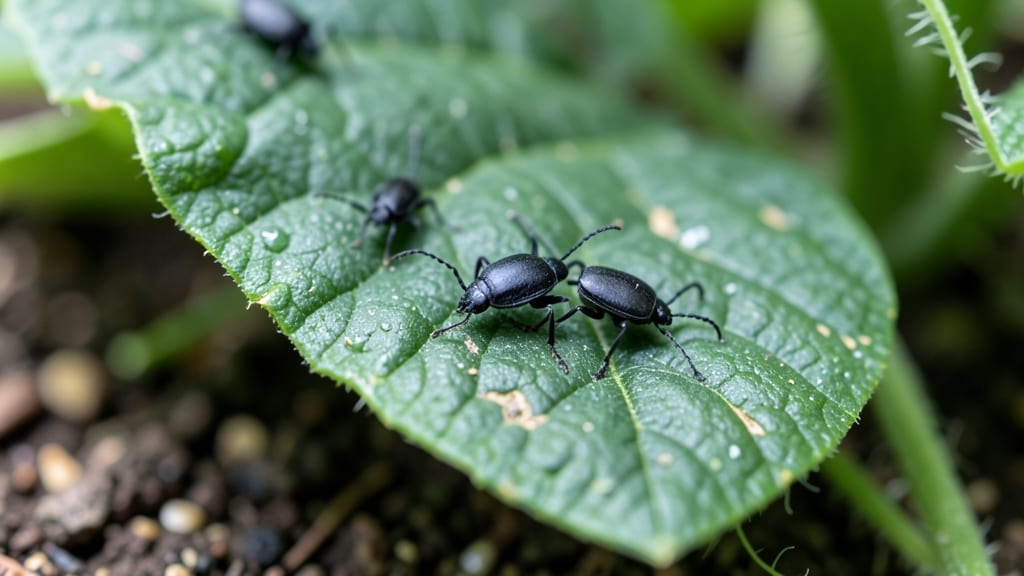
Those small black bugs on cucumber plants—if left unchecked—can swiftly transform your lush harvest into a disappointing loss.
Picture this: you step outside after a warm afternoon, only to find your once-vibrant cucumber leaves speckled with swarms of small black invaders. Before you know it, your plants are wilted, your yield is shrinking, and your garden dreams feel like they’re slipping away.
But here’s the good news—most of these pests are beatable with the right moves. In this guide, I’ll walk you through how to spot them, why they’re attacking your cucumbers, and the fastest ways to kick them off your plants within 24 hours—no harsh chemicals required.
You’ll learn the 5 most common culprits, natural remedies that actually work, and smart prevention tricks to keep your cucumbers thriving all season long. Let’s get started.
Identifying small black bugs on cucumber plants: 5 most common culprits
When you spot tiny black bugs on your cucumber plants, your first instinct might be panic—but don’t worry. Most of these pests leave distinct clues if you know where to look.
The key is identifying them quickly, as some can destroy your harvest in days. I’ve battled these culprits myself, and I’ll show you exactly how to tell them apart.
These small black bugs often hide on the undersides of leaves, along stems, or even burrow into soil. Some chew holes in leaves, while others suck sap, leaving behind sticky residue.
The damage varies, but early action can save your cucumber vines. Let’s break down the five most common offenders and their telltale signs.
Comparison Table: 5 Small Black Bugs on Cucumber Plants
First up are aphids, tiny sap-suckers that cluster on new growth. Look for sticky honeydew on leaves—this is their waste product. They’re often green or black, and their damage weakens plants over time. I’ve seen them turn cucumber leaves yellow and crispy in just a week if left unchecked.
Flea beetles are the next culprits, and they’re easy to spot if you watch your plants closely. These 1/8-inch black beetles jump like fleas when disturbed, leaving behind shotgun-like holes in leaves. They’re most active in hot weather, so check your cucumbers during peak sunlight hours when they’re most visible.
If you’re dealing with fungus gnats, the problem starts in the soil. These black flies hover near damp soil, and their larvae chew on cucumber roots, causing seedlings to wilt.
I’ve found them thriving in overwatered containers—always let the top inch of soil dry between waterings to deter them.
Thrips are sneaky pests that leave behind silver streaks on leaves, almost like tiny scratches. They’re so small you might miss them at first, but their damage adds up quickly. Check the undersides of leaves where they hide—these bugs can spread plant viruses, so act fast if you spot them.
Lastly, spider mites might not look black at first, but their reddish-black bodies become visible under a magnifying glass. Their fine webbing is a dead giveaway, especially on the undersides of leaves. These pests thrive in dry conditions, so keeping your cucumbers well-watered is key to preventing them.
Each of these bugs damages cucumber plants differently, but the good news is that early identification means you can target treatments effectively. Next, I’ll show you how to eliminate them—some methods work faster than others, depending on which pest you’re dealing with.
Natural & chemical solutions to eliminate black bugs in 24 hours
When you spot small black bugs on your cucumber plants, immediate action is key to preventing damage. The good news? Most infestations can be eliminated within 24 hours using targeted organic or chemical solutions.
Start by identifying the culprit—whether it's aphids, flea beetles, or fungus gnats—then apply the most effective treatment for their life stage.
Organic methods like neem oil and insecticidal soap work quickly on soft-bodied pests, while DIY traps and pruning can remove adult beetles or gnats. For severe infestations, chemical pesticides like pyrethrin-based sprays provide fast knockdown—but always use them as a last resort to protect beneficial insects and your cucumbers' edibility.
⚡ 24-Hour Elimination Effectiveness
For aphids and thrips, mix 1 tsp neem oil with 1 quart water and 1 tsp mild soap as a surfactant. Spray this solution directly on infested areas in the early morning to avoid harming bees.
Reapply every 6-8 hours for 24-hour coverage. Always test a small leaf first to check for sensitivity.
If you're dealing with flea beetles or adult fungus gnats, prune heavily infested leaves and drop them into a bucket of soapy water. For gnats, place DIY traps—like a jar filled with beer or apple cider vinegar—near your plants.
These traps lure adults away from your cucumbers, reducing egg-laying within hours.
When organic methods fall short, chemical pesticides like pyrethrin or carbaryl can provide rapid knockdown. Apply these at dusk to minimize harm to pollinators and follow label instructions precisely. Avoid spraying during hot weather, as it can increase plant stress and reduce effectiveness.
After treatment, monitor your cucumber plants closely for 24-48 hours. Remove any remaining pests manually and rinse plants with clean water to wash away residue. For long-term success, combine these solutions with preventive measures like row covers and healthy soil practices to keep your cucumbers thriving.
🌱