
Diseases
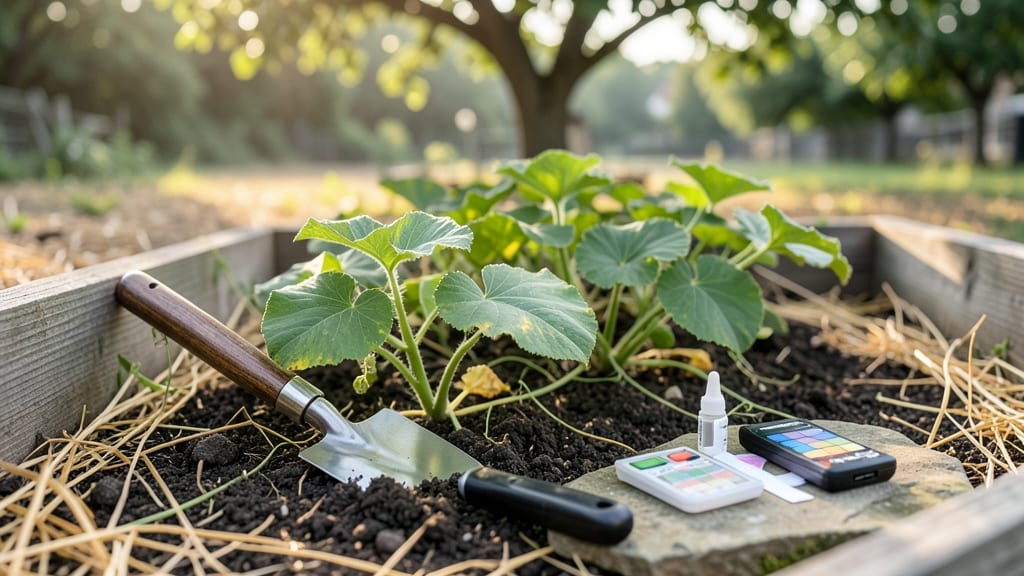
Cucumber seedlings turning yellow usually means root rot is creeping in—often from overwatering or poor drainage. 🌱 I’ve nursed back dozens of seedlings from this exact problem, and the fix is simpler than you’d think. The key is catching it early, before the roots turn mushy and the plant collapses.
The real culprit is often too much moisture smothering the roots, especially in small containers. Check your watering schedule: seedlings need moisture, not soggy soil. If the soil smells sour or the stems feel soft, you’re dealing with root rot. The good news?
With the right adjustments, you can revive them in 3-5 days. Start by letting the soil dry out slightly between waterings and repot in fresh, well-draining mix. A sprinkle of cinnamon or compost tea on the soil can help fight fungal growth while giving the roots a fighting chance.
Once you see new green peeking out, you’ll know you’ve turned the tide. This method works for any seedling struggling with yellowing—tomatoes, peppers, even herbs. The secret is acting fast and giving roots room to breathe. Let’s get those cucumbers back on track!
Root Causes Behind Yellowing Seedlings
When your cucumber seedlings start turning yellow, it’s often a cry for help from their roots—or something else lurking beneath the soil. Understanding the why behind the discoloration is the first step to saving your crop.
Below, we break down the most common culprits, backed by science, so you can diagnose and act fast.
Yellowing leaves in cucumber seedlings are frequently linked to waterlogged roots. Cucumbers thrive in moist but well-drained soil, and excess water cuts off oxygen supply, leading to:
- Root suffocation: Roots need oxygen to respire (breathe). When soil stays soggy, roots drown, turning yellow or black as they rot.
- Nutrient leaching: Overwatering flushes essential nutrients like nitrogen and potassium out of the root zone, starving seedlings.
- Fungal infections: Stagnant water invites pathogens like Pythium or Phytophthora, which thrive in anaerobic (oxygen-deprived) soil.
Actionable fix: Test your soil’s drainage by digging a hole, filling it with water, and timing how long it takes to drain. If it stays wet for more than 2 hours, amend soil with perlite or sand, and water only when the top inch feels dry.
On the flip side, dry, compacted soil can also trigger yellowing. Cucumber seedlings are shallow-rooted early on, and dehydration causes:
- Transpiration shock: Leaves lose turgor (rigidity) as water is pulled from roots, turning yellow or crispy at the edges.
- Nutrient uptake failure: Dry soil binds nutrients tightly, preventing seedlings from absorbing what they need.
- Root shrinkage: Roots may recede from the soil surface, exposing them to air and further stress.
Actionable fix: Water deeply at the base (not overhead) to encourage root growth. Use mulch (straw or grass clippings) to retain moisture and protect roots from temperature swings.
Yellowing often signals a nutritional deficiency, especially if older leaves (a sign of mobility issues) or younger leaves (a sign of immobility) are affected. Common culprits:
| Symptom Location | Likely Deficiency | Scientific Explanation |
|---|---|---|
| Older leaves yellowing (interveinal chlorosis) | Nitrogen (N) | Nitrogen is mobile in plants—when lacking, it’s "stolen" from older leaves to feed new growth. Leaves turn pale yellow before browning. |
| Young leaves yellowing | Magnesium (Mg) or Iron (Fe) | These are immobile nutrients. New growth can’t access them if soil pH is too high (alkaline) or if microbes aren’t breaking them down. |
| Yellowing with purple stems | Phosphorus (P) | Phosphorus aids energy transfer. Deficiency stunts roots and causes dark purple discoloration in stems. |
Actionable fix: Test your soil’s pH (ideal: 6.0–6.8 for cucumbers). For deficiencies:
- Nitrogen: Add compost or a balanced fertilizer (e.g., 10-10-10).
- Magnesium/Iron: Apply Epsom salt (for Mg) or chelated iron in acidic soil (pH < 6.0).
- Phosphorus: Use bone meal or rock phosphate.
Hidden pests can gnaw on roots or sap nutrients, leading to yellowing. Watch for:
- Root-knot nematodes: Microscopic worms that form gall-like knots on roots, disrupting water/nutrient uptake.
- Cutworms or slugs: They sever roots or leaves at night, causing sudden wilting and yellowing.
- Aphids or spider mites: These suck sap from leaves, draining chlorophyll and leaving a yellow, stippled appearance.
Actionable fix:
- Inspect roots when repotting: Look for galls, holes, or chewed edges.
- Use organic nematicides (e.g., neem oil or beneficial Bacillus firmus bacteria) for nematodes.
- Set up beer traps or diatomaceous earth for slugs/cutworms.
- Spray leaves with soapy water (1 tsp mild soap per quart of water) to dislodge aphids.
Fungal infections like Pythium or Fusarium thrive in warm, wet conditions and attack roots, causing:
- Soft, mushy roots: Roots turn brown/black and collapse as fungal hyphae invade cells.
- Wilting despite moist soil: The plant can’t absorb water, even when the soil is saturated.
- Yellowing that spreads upward: As roots fail, leaves lose their green pigment due to nutrient starvation.
Actionable fix:
- Remove infected seedlings immediately to prevent spread.
- Sterilize pots with a 10% bleach solution (1 part bleach to 9 parts water) between uses.
- Improve airflow with proper spacing and avoid overhead watering.
- Apply fungicidal sprays like copper-based solutions or Trichoderma (a beneficial fungus).
💡 Pro Tip: Keep a seedling health journal! Note watering schedules, soil amendments, and weather changes. Patterns (like yellowing after heavy rain) can pinpoint the exact cause faster.
Fixing Yellow Seedlings Fast
Now that you know the culprits behind your cucumber seedlings turning yellow, let’s roll up our sleeves and get them back to their vibrant, healthy selves! The good news? Most of these issues have straightforward fixes—no fancy tools or degrees in botany required.
Below, we’ll break down the cause-specific solutions, step by step, so you can tackle the problem like a pro. And don’t worry—we’ve included prevention tips to keep your seedlings thriving long-term.
Signs: Yellowing leaves, soggy soil, wilting despite water, or a musty smell.
How to Fix It:
- 🔥 Pause Watering Immediately
- Let the soil dry out completely before watering again. Stick your finger 1–2 inches into the soil—if it’s damp, wait.
- 🍳 Improve Drainage
- If your pots lack drainage holes, add them (a drill works great). For garden beds, mix in perlite or coarse sand (1 part perlite to 3 parts soil) to loosen the mix.
- Pro Tip: Elevate pots on saucers or bricks to prevent water pooling.
- 👨🍳 Repot if Necessary
- If roots are rotting (black, mushy, or smelly), gently remove the seedling, trim any damaged roots with sterilized scissors, and repot in fresh, dry potting mix.
- ⏰ Monitor & Adjust
- Water only when the top inch of soil is dry. Use a moisture meter for accuracy.
Prevention:
- 💡 Use well-draining soil (avoid heavy clay mixes).
- ✨ Water at the base (not overhead) to reduce fungal risks.
- 🌡️ Check humidity—yellowing can worsen in stagnant, damp air.
Signs: Crispy yellow edges, dry soil, wilting during the day, or leaves curling.
How to Fix It:
- 🥘 Water Deeply & Consistently
- Give seedlings a slow, thorough drink until water runs out the drainage holes. Repeat every 2–3 days (adjust for climate).
- 🔪 Provide Shade (Temporarily)
- Move seedlings to a shadier spot (e.g., under a sheer curtain or dappled sunlight) if temps exceed 85°F (29°C). Use a cloche or shade cloth for extra protection.
- 🌡️ Boost Humidity (If Needed)
- Place a tray of pebbles + water near the seedlings or mist leaves early in the morning (avoid evening misting to prevent fungal growth).
- 🎯 Mulch to Retain Moisture
- Add a thin layer of straw or mulch around the base to lock in moisture and cool roots.
Prevention:
- 💡 Water in the morning so leaves dry quickly.
- ✨ Use self-watering pots for consistency.
- 🌱 Harden off seedlings gradually if moving outdoors.
Signs: Pale yellow leaves (especially older ones), stunted growth, or weak stems.
How to Fix It:
- 📊 Test Your Soil
- Grab a DIY soil test kit (or send a sample to a local extension office) to check pH and nutrient levels. Cucumbers thrive in pH 6.0–6.8.
- 💪 Fertilize Smartly - For nitrogen deficiency (yellow lower leaves): Use a balanced liquid fertilizer (like 10-10-10) diluted to half strength.
Apply every 2 weeks. - For magnesium deficiency (yellow patches between veins): Sprinkle Epsom salt (1 tbsp per gallon of water) and water the soil. - For iron deficiency (yellow new leaves): Use chelated iron or a fish emulsion (follow package instructions).
- 🍎 Boost Organic Matter
- Mix in compost or worm castings (1 part to 3 parts soil) to replenish nutrients naturally.
Prevention:
- 💡 Start with nutrient-rich soil (avoid sterile potting mixes).
- ✨ Rotate crops if replanting in the same spot.
- 🌱 Use slow-release fertilizer for steady nourishment.
Signs: Yellowing with dark spots, mold, or oozy lesions, or leaves that feel slimy.
How to Fix It:
- 🔪 Remove Infected Plants
- Snip off yellowed or spotted leaves with sterilized pruners (wipe with rubbing alcohol between cuts). For severe cases, remove the entire plant to stop spread.
- 🌡️ Improve Airflow
- Space seedlings 6–12 inches apart (depending on variety). Use a fan on low for 1–2 hours daily to dry leaves faster.
- 💡 Treat with Fungicide/Bactericide - Spray with a copper-based fungicide (for bacterial issues) or neem oil (for fungal problems).
Reapply every 7–10 days or as directed. - DIY Option: Mix 1 tsp baking soda + 1 quart water + a drop of dish soap for a mild fungicide (test on a small area first).
- 🎯 Sterilize Tools & Soil
- Wash pots with 10% bleach solution, then rinse and dry. Replace contaminated soil with sterile potting mix.
Prevention:
- 💡 Water at the base (never overhead).
- ✨ Avoid overhead irrigation (drip systems or soaker hoses are best).
- 🌱 Rotate crops and solarize soil (cover with clear plastic for 4–6 weeks in summer) to kill pathogens.
Signs: Yellowing with tiny holes, webbing, or chewed edges, or sticky residue (aphid honeydew).
How to Fix It:
- 🔥 Identify the Culprit
- Common pests: Aphids, spider mites, or cucumber beetles. Shake plants over a white sheet to spot them.
- 🍳 Blast Them Off
- Strong spray of water (early morning) dislodges aphids and mites.
- Handpick larger pests (like beetles) into soapy water.
- 👨🍳 Use Natural Repellents - Neem oil spray (1 tbsp neem oil + 1 tsp mild soap per quart of water).
Spray every 5–7 days. - Diatomaceous earth (food-grade) around the base deters crawling pests (reapply after rain). - Row covers (fine netting) block beetles while allowing light and water through.
- 🎯 Introduce Beneficial Insects
- Release ladybugs or lacewings (available at garden centers) to eat aphids naturally.
Prevention:
- 💡 Inspect new plants before bringing them indoors.
- ✨ Plant companion crops like marigolds or nasturtiums to repel pests.
- 🌱 Clean up debris where pests hide.
Final Pro Tip: 🌟 Keep a garden journal! Note what you try, when you water, and how seedlings respond. This helps you spot patterns and adjust faster next time. Happy growing—your cucumbers will thank you!
Frequently asked questions
Why do my cucumber seedlings turn yellow so quickly?
Yellowing often happens within 3-7 days when roots suffocate from overwatering or poor drainage. Cucumber seedlings are especially sensitive because their shallow roots need oxygen to grow. Check if the soil stays damp for more than 2 hours after watering—this is a red flag for root rot.
Can I save a seedling if the yellowing has spread to most leaves?
It depends! If the stem feels soft or the soil smells sour, the roots are likely rotting and the seedling may not recover. However, if only the leaves are yellow but stems are firm, trim the damaged foliage, repot in fresh soil, and adjust your watering habits. Give it 3-5 days to show signs of recovery.
Is yellowing always a sign of overwatering?
Not necessarily! Yellowing can also mean nutrient deficiency (like nitrogen or magnesium), pest damage (aphids or spider mites), or even too much sun causing stress. Check the soil moisture first—if it's dry, the issue might be underwatering or pests.
How often should I water cucumber seedlings to prevent yellowing?
Water only when the top 1 inch of soil is dry—usually every 2-3 days for seedlings in pots. Use your finger to test moisture rather than sticking to a schedule. Morning watering helps leaves dry faster, reducing fungal risks.
What's the fastest way to check for root rot in seedlings?
Gently remove the seedling from its pot and inspect the roots. Healthy roots are white or light tan, while rotting roots turn dark brown or black and feel mushy. If you see this, trim the bad roots with sterilized scissors and repot immediately. This quick check can save your seedlings!