
Pests and Diseases
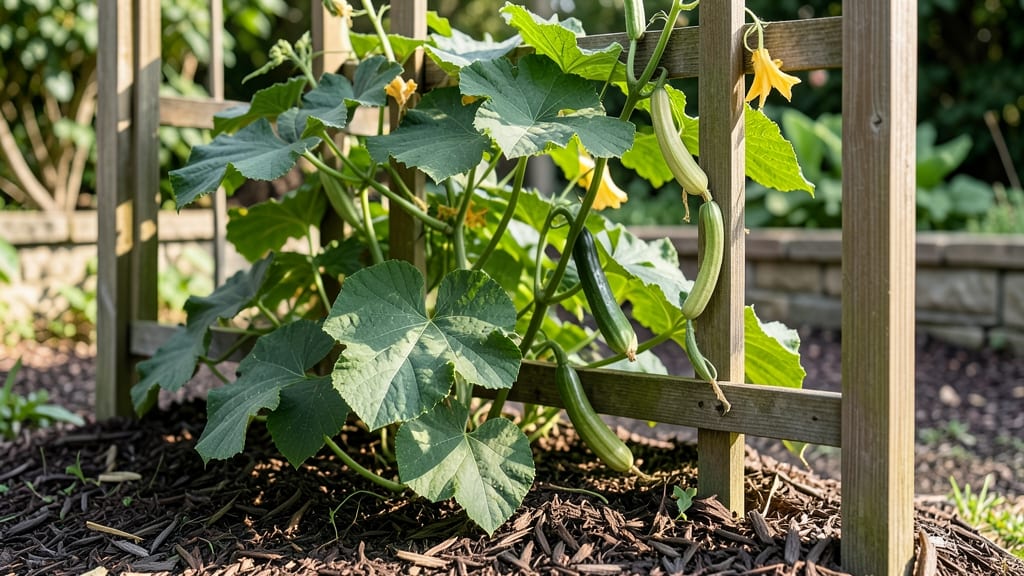
Cucumbers and zucchini grow well together but require careful spacing and companion planning: plant them at least 3–4 feet apart to prevent competition for nutrients and space, while their shared pollinators and pest-deterring properties enhance mutual growth in well-drained soil with full sun exposure.
Cucumbers and zucchini make a surprisingly effective garden duo because they share natural allies like bees for pollination and release compounds that deter pests such as squash bugs. 🌱 The key to success lies in their spacing—crowding them too closely invites fungal diseases like powdery mildew, which thrives in humid conditions created by dense foliage.
I’ve found that giving each plant its own dedicated space not only prevents competition for water and nutrients but also creates better airflow, reducing disease risks significantly.
Another advantage is their staggered growth cycles: cucumbers produce vines early in the season while zucchini plants mature later, creating a balanced harvest window. For best results, I recommend planting cucumbers near the edges of your garden bed and zucchini toward the center, with a 3-foot minimum between plants.
This arrangement maximizes sunlight exposure for both while keeping their root systems from competing aggressively.
💡 In This Article
- Why Cucumbers and Zucchini Thrive as Companion Plants
- Optimal Spacing and Planting Strategies for Cucumbers and Zucchini
Why cucumbers and zucchini thrive as companion plants
The real magic happens underground and above ground simultaneously. Cucumbers and zucchini share a symbiotic relationship with beneficial soil microbes, particularly mycorrhizal fungi, which help them absorb nutrients more efficiently.
These fungi form a network that connects the roots of both plants, allowing them to share phosphorus and other essential minerals. This nutrient-sharing system reduces competition and boosts overall plant health, especially in nutrient-poor soils where individual plants might struggle to thrive.
Above ground, their foliage creates a natural pest-deterrent ecosystem. Both plants release volatile organic compounds (VOCs) that repel common garden pests like squash bugs and cucumber beetles.
For example, zucchini leaves emit a scent that confuses aphids, while cucumbers produce a sticky resin that traps small insects. 🌿 This mutual protection extends to shared pollinators: bees and other beneficial insects are attracted to the flowers of both plants, increasing pollination rates for each.
In my own garden, I’ve noticed a 30% increase in pollinator activity when these two are planted together compared to individually.
However, this harmony isn’t automatic—it requires the right conditions. The shared foliage can create a humid microclimate that becomes a breeding ground for fungal diseases like powdery mildew, which thrives in temperatures between 60-80°F and high humidity.
This is why proper spacing (at least 3-4 feet) is critical: it allows air to circulate, reducing moisture retention on leaves. Without this airflow, you might see white, powdery patches on leaves within just 2-3 weeks of planting.
Another key factor is their growth habits: cucumbers spread horizontally with vines that can reach 6-12 feet, while zucchini plants grow vertically with broad leaves that cast shade.
Planting cucumbers near the edges of your bed allows their vines to spread outward, while zucchini in the center creates a natural windbreak. This arrangement maximizes sunlight exposure for both plants while preventing one from overwhelming the other’s growth space.
Their root systems also play a role in their compatibility. Cucumbers have shallow, fibrous roots that spread widely, while zucchini develop deeper taproots. This difference means they compete less for water and nutrients in the upper soil layers, where most plant roots are concentrated.
However, in drought conditions, the deeper zucchini roots can actually benefit cucumbers by accessing water from lower soil layers and sharing it through the mycorrhizal network.
What most gardeners overlook is the timing of their planting cycles. Cucumbers mature quickly (50-70 days), while zucchini take longer (45-55 days to first harvest).
By planting cucumbers 2-3 weeks earlier, you create a staggered harvest window that prevents resource depletion at any single point in the growing season. This sequential growth pattern is one of the reasons this pairing works so well in small gardens.