
Companion Plants
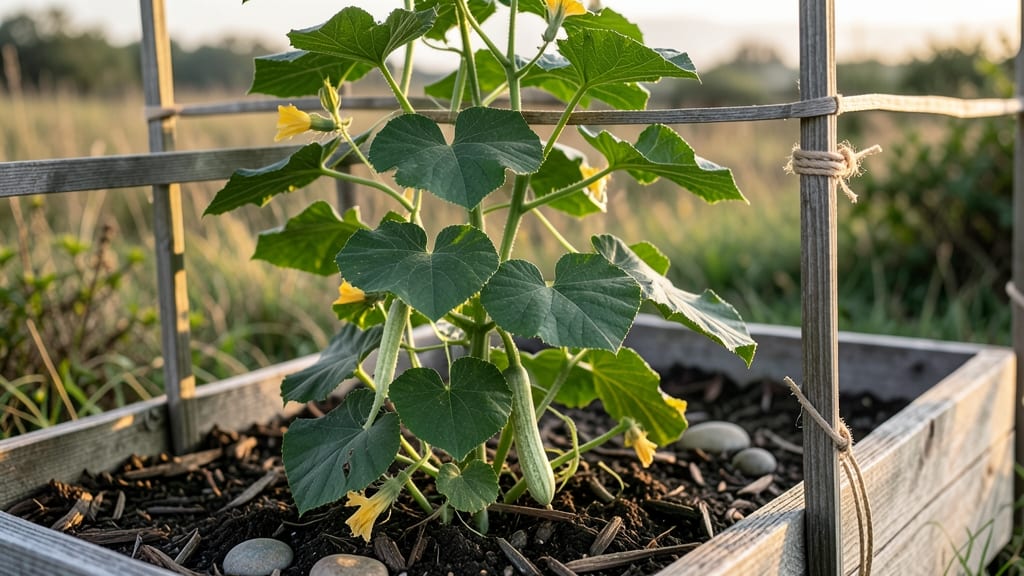
Training cucumber plants to climb saves your garden space and keeps fruits cleaner and easier to pick. 🌱 I learned the hard way that sprawling vines invite pests and diseases, but vertical training transforms my small plot into a productive jungle—literally.
The right technique turns unruly growth into a tidy, high-yielding system that works even in tight corners.
You’ll need sturdy trellises (or even repurposed fencing), soft plant ties, and pruning shears—no fancy equipment, just smart setup. The key is starting early: train vines when they’re young and flexible, and you’ll avoid tangled messes later.
Cucumbers respond best to consistent support, so install your structure before planting or as soon as seedlings emerge.
Once trained, your plants will send out vigorous tendrils that cling naturally, but give them a little help with gentle twists or ties. Prune aggressively to encourage upward growth—cutting back side shoots keeps energy focused on fruit production.
Within weeks, you’ll see the difference: fewer pests, better air flow, and cucumbers that stay off the ground where they belong.
This method works for all cucumber varieties, whether you’re growing in containers or garden beds. The only rule? Don’t wait until vines are thick and stubborn—train early, and you’ll harvest cleaner, straighter cucumbers all season long. Ready to reclaim your space?
📚 In This Guide
- What you need
- Instructions
- Tips and common mistakes
- Wrapping up and next steps
What you need
- ● Cucumber seeds or seedlings: Choose compact or bush varieties (e.g., ‘Bush Champion’ or ‘Spacemaster’) for vertical training. Quantity: 1–3 plants per trellis (depends on space).
- ● Vertical trellis or support: DIY options: Bamboo stakes (3–4 ft tall), wooden lattice panels, or repurposed wire mesh.
- ● Store-bought: A-frame trellis, ATV tire trellis, or a sturdy cucumber cage (4–6 ft tall).
- ● Garden twine or soft plant ties: Quantity: 10–15 ft (or reusable fabric strips). Avoid wire—it can damage vines!
- ● Potting mix or well-draining soil: Type: Lightweight, organic-rich blend (add compost for nutrients). Quantity: 1–2 cubic feet per plant.
- ○ Containers (optional but helpful): 5-gallon fabric pots or raised beds (12–18" deep) for better root control.
- ● Sunlight: Minimum: 6–8 hours of direct sun daily. Partial shade tolerates some varieties.
- ● Watering setup: Required: Drip irrigation or a watering can with a long spout (to avoid wetting leaves).
- ○ Optional: Self-watering planters or a moisture meter to track soil hydration.
- ● Fertilizer: Balanced organic fertilizer (10-10-10) or compost tea. Tip: Feed lightly every 2–3 weeks once vines start climbing!
- ● Pruning shears: Small, sharp pair for trimming excess leaves or runners.
- ● Companion plants (bonus!): Marigolds (pest deterrent), radishes (space-savers), or nasturtiums (shade + flavor boost).
Step-by-step guide to training cucumber plants vertically
Here's my go-to method for coaxing cucumbers to climb—saving space and boosting yields in any garden.
🌱 Step 1: Choose the Right Support Structure
Start by selecting a sturdy support system that can handle the weight of mature cucumber vines, which can reach 10-15 feet or more. I prefer 5-6 foot tall trellises made of wood or metal mesh for most home gardens, as they provide ample space while keeping vines off the ground. For smaller spaces, a 4-foot tall A-frame trellis works well, though you’ll need to prune more aggressively to control growth.
Install your trellis in a sunny spot with at least 6 hours of direct sunlight daily. Cucumbers are heavy feeders, so position the trellis near a water source or use drip irrigation to keep the roots consistently moist. The base of the trellis should be anchored securely—even a gentle breeze can topple a loaded structure if it’s not stable.
☀️ Step 2: Plant Near the Trellis and Encourage Early Climbing
When planting cucumber seeds or transplants, place them 6-12 inches away from the trellis, depending on the variety. Bush varieties can go closer, while vining types need a bit more room to sprawl initially. I like to plant 2-3 seeds per hill and thin to the strongest seedling once they’re 4-5 inches tall. This ensures you have a vigorous starter that can handle the weight of climbing.
As soon as the seedlings develop their first true leaves (the second set after the initial cotyledons), gently tie the main stem to the trellis using soft plant ties or old fabric strips. Avoid wire or anything that can cut into the tender stem. The goal is to guide the vine upward without restricting growth. Watch for the vine to naturally curl around the trellis—this is its way of finding support.
🌿 Step 3: Train Vines and Prune for Airflow
Once the main vine reaches the top of the trellis, it will start to sprawl horizontally. Here’s where pruning comes in: pinch off any side shoots that grow downward or toward the ground, as these will produce fruit but drain energy from the vertical growth. Focus on allowing only the upward-growing tendrils to develop—these will anchor the plant to the trellis and support the weight of future vines and fruit.
For indeterminate varieties, which produce continuously, I prune aggressively by removing all but the top 2-3 leaves on each lateral branch. This encourages the plant to put energy into climbing higher rather than spreading outward. You’ll see new growth spurt upward within 3-5 days of pruning. This method also improves airflow, reducing the risk of powdery mildew, a common issue with cucumbers.
✂️ Step 4: Manage Fruit Load and Support Heavy Vines
As cucumbers begin to form, they can become surprisingly heavy—some varieties produce fruits weighing 1-2 pounds each. To prevent the vines from snapping under the weight, I tie each fruit to the trellis using soft ties or even old pantyhose. This distributes the weight and keeps the fruit from dragging the vine downward. Harvest cucumbers every 2-3 days to encourage more production and prevent overloading the plant.
If you notice the vine struggling to support the weight, trim back some of the older fruit to lighten the load. This is especially important in hot weather, when vines can become stressed. Always harvest with a sharp pair of pruners or your hands—never pull or twist the fruit, as this can damage the vine. A well-supported cucumber plant will keep producing for weeks, whereas an overloaded one may collapse and stop fruiting entirely.
🪴 Step 5: Maintain and Adjust as the Season Progresses
Throughout the growing season, keep an eye on the trellis and adjust ties as needed. Vines will continue to grow, and the weight of new fruit can cause older ties to loosen. I check my trellises weekly and re-tie any vines or fruit that have shifted. If you’re growing in a windy area, consider adding a second trellis or stakes for additional support, especially for larger varieties like 'Straight Eight' or 'Marketmore'.
Toward the end of the season, as temperatures drop and growth slows, you can stop pruning and let the plant focus on ripening existing fruit. If frost is imminent, harvest any remaining cucumbers and allow the vines to die back naturally. In warmer climates, you can extend the season by providing shade cloth during heatwaves and continuing to harvest regularly. With the right training, a single cucumber plant can produce enough fruit to feed a family for weeks—making vertical gardening a game-changer for small spaces.
Tips & tricks for vertical cucumber training
Mastering vertical cucumber growth turns small spaces into high-yield gardens—here's how to avoid common pitfalls.
Support Structure Stability: I learned the hard way that a wobbly trellis can ruin everything. For 5-6 foot tall trellises, bury the base at least 12 inches deep or use concrete blocks to anchor it. For windy areas, add cross-bracing between trellises or use a 4-foot A-frame with wider support legs—this prevents leaning. The key is making the structure stronger than the heaviest cucumber load you'll face.
Early Vine Guidance: The moment seedlings develop their first true leaves (not the initial seed leaves), tie them to the trellis with soft plant ties. I use old fabric strips or even strips from old T-shirts—they stretch as vines grow. The critical window is when vines are 4-5 inches tall: this is when they're strong enough to support themselves but still flexible enough to guide. Never use wire or anything that can cut into the tender stem.
Pruning Strategy: When you reach Step 3 and see those lateral branches spreading horizontally, remember: downward growth equals wasted energy. For indeterminate varieties, focus on removing all but the top 2-3 leaves on each lateral branch. This might seem harsh, but you'll see new upward growth within 3-5 days. The trade-off is worth it—better airflow means fewer powdery mildew issues, and your plant will channel energy into climbing higher rather than spreading wider.
Fruit Weight Management: Those 1-2 pound cucumbers can be surprisingly heavy! I tie each developing fruit to the trellis using old pantyhose or soft plant ties. This simple step prevents the vine from snapping under the weight. Harvest every 2-3 days to maintain balance—overloaded plants produce less over time. If you notice vines struggling, remove some older fruit to lighten the load, especially during hot weather when vines become stressed.
Pro Tips for Train Cucumber Plants
- Mastering vertical cucumber growth turns small spaces into high-yield gardens—here's how to avoid common pitfalls.
- Support Structure Stability: I learned the hard way that a wobbly trellis can ruin everything.
- Early Vine Guidance: The moment seedlings develop their first true leaves (not the initial seed leaves), tie them to the trellis with soft plant ties.
Frequently asked questions
Got questions about training your cucumber plants? You’re not alone! Here are answers to the most common queries to help you grow like a pro—even in small spaces.
How often should I prune my cucumber plants for vertical training?
Prune your cucumbers weekly during the growing season (spring to summer) to encourage upward growth. Focus on removing lateral shoots (those tiny side branches) that compete with the main vine. Use clean pruning shears to avoid damaging the plant, and always prune in the morning for faster healing.
When is the best time of day to train cucumber vines?
The early morning is ideal for training—vines are turgid (firm) after overnight hydration, making them easier to guide. Avoid training in the heat of the day, as vines can be brittle and more prone to snapping. If you must train later, water the plants first to soften the stems.
Can I use twine or netting instead of a trellis for cucumbers?
Yes! Twine or netting works well for bushier varieties like ‘Bush Champion’ or ‘Spacemaster.’ For vining types (like ‘Straight Eight’), a sturdy trellis or A-frame is better to support weight. If using twine, tie it loosely (every 6–12 inches) and adjust as the vine grows—don’t strangle the stem!
Why are my cucumber leaves yellowing after training?
Yellowing leaves often signal over-pruning or nutrient stress. If you’ve trimmed too aggressively, the plant may struggle to photosynthesize. Check for pests (like aphids) or underwatering, and fertilize with a balanced 10-10-10 mix. Yellowing on lower leaves is normal as the plant matures, but upper leaves should stay green.
Will training cucumbers vertically reduce my yield?
Not if done right! Vertical training actually boosts yields by improving air circulation (reducing disease) and directing energy upward. However, over-pruning can stress the plant. Focus on removing only non-fruiting laterals and leave 2–3 leaves below each fruit for support. With proper care, you’ll get more cucumbers in less space!
Wrapping up and next steps
Training cucumber plants vertically isn’t just a space-saving hack—it’s a game-changer for bigger harvests, healthier vines, and easier maintenance. 🌱 With the right support (trellises, cages, or stakes) and a little patience, you’ll turn even the smallest garden into a thriving cucumber paradise.
Whether you’re a beginner or a seasoned gardener, these tips will help you grow like a pro!
Ready to level up your garden? Start by picking your favorite vertical method, then watch your cucumbers climb to new heights—literally! 🚀 Next step: Grab your supplies, plant those seeds, and let the training begin!