
Vegetables
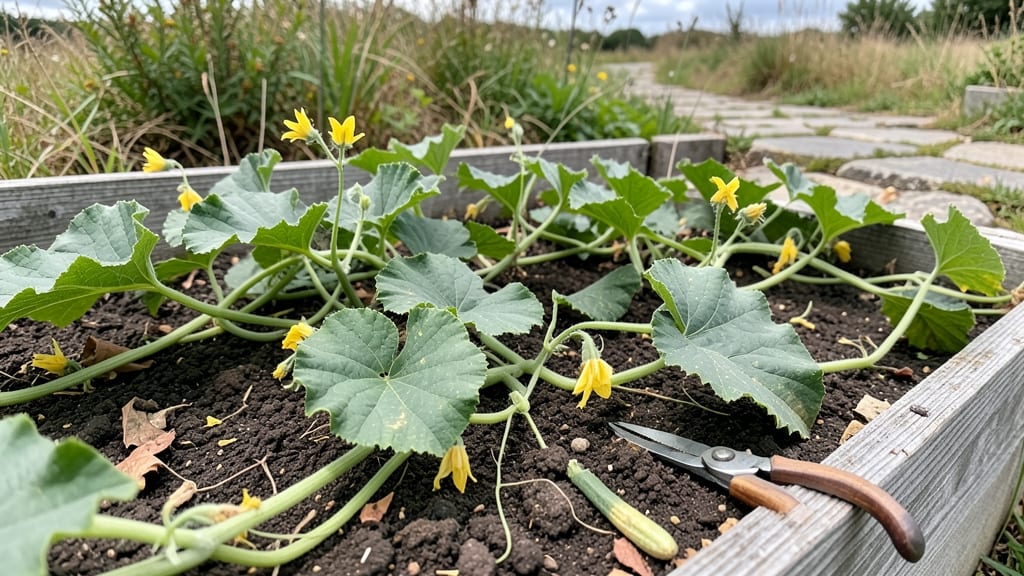
Curled cucumber leaves mean your plants are sending an SOS—often before you even notice the problem. 🌿 I’ve spent years diagnosing this issue, and the culprits range from hungry pests to environmental stress, each leaving its own distinct signature on the foliage.
The key is identifying the exact cause early, because once the damage spreads, your harvest suffers.
Most gardeners overlook the basics first: check the undersides of leaves for tiny webs or speckled eggs (spider mites), sticky residue (aphids), or chewed edges (caterpillars). Environmental factors like sudden heat waves or inconsistent watering also force leaves to curl as a protective response.
I’ve seen cucumbers recover fully within days when the root cause—whether pests or poor irrigation—gets addressed immediately.
Your first line of defense is organic sprays like neem oil for pests or a light horticultural oil for fungal issues. For severe infestations, insecticidal soap works fast but must be reapplied after rain.
The goal isn’t just to stop the curling—it’s to restore the plant’s ability to photosynthesize efficiently so those vines keep producing crisp, straight cucumbers all season.
Prevention starts with consistent care: mulch to retain moisture, prune for airflow, and monitor the soil’s pH. If the curling persists after 10 days of treatment, consult a local extension office—they can test for hidden pathogens or nutrient deficiencies that might need professional intervention.
Root Causes Of Twisted Leaves
Understanding why your cucumber leaves curl is the first step to fixing the problem—and saving your harvest! Here’s a breakdown of the most common culprits, explained in clear, actionable terms.
Cucumbers are heat-loving plants, but extreme heat or rapid temperature changes can cause leaves to pucker and curl. When daytime temps soar above 90°F (32°C) or nighttime drops below 55°F (13°C), the plant’s cells struggle to regulate moisture and nutrients.
Why it happens:
- Transpiration overload: High heat increases evaporation, causing water loss faster than roots can absorb it. Cells shrink, leading to curling.
- Photosynthesis slowdown: Heat stress disrupts chlorophyll production, weakening leaf structure.
- Oxidative damage: Sudden temperature shifts (like cold nights after hot days) create reactive oxygen species (ROS), which damage cell membranes.
💡 Pro Tip:
- Shade cloth is your friend—use 30-50% shade during peak summer heat.
- Mulch heavily (straw or wood chips) to keep soil temps stable.
- Water deeply in the morning to reduce evaporation stress.
Cucumbers hate soggy roots. While they need consistent moisture, overwatering or compacted soil leads to root suffocation, cutting off oxygen and nutrients. This forces the plant to conserve water by curling leaves—a survival tactic to reduce water loss.
Why it happens:
- Anaerobic roots: Waterlogged soil starves roots of oxygen, triggering ethylene gas production (a stress hormone that causes curling).
- Nutrient leaching: Excess water washes away essential minerals like potassium and calcium, weakening cell walls.
- Fungal infections: Poor drainage invites Pythium or Fusarium, which clog root vessels and disrupt water flow.
⚠️ Warning Signs:
- Yellowing leaves (not just curling).
- Soil that stays muddy for days after watering.
- A foul, rotten smell at the base of the plant.
🔥 Fix It Fast:
- Test your soil—it should drain within 2-4 hours after watering.
- Raise beds or add perlite/sand to improve aeration.
- Water at the base (not overhead) to avoid fungal spores splashing onto leaves.
Tiny pests like aphids, spider mites, and cucumber beetles pierce leaves to feed, injecting toxins that trigger curling. Their saliva contains proteins that disrupt plant hormones, causing leaves to pucker and distort.
Why it happens:
- Aphids & mites: Their feeding creates stippling (tiny white/yellow dots) and inject viruses that scramble cell signals.
- Cucumber beetles: They don’t just curl leaves—they transmit bacterial wilt, a fatal disease.
- Whiteflies: Their honeydew attracts sooty mold, further stressing the plant.
👨🍳 DIY Pest Control:
- Blast them off with a strong spray of water (early morning works best).
- Neem oil spray (1 tsp neem oil + 1 tsp mild soap per quart of water) disrupts their life cycle.
- Introduce predators: Ladybugs and lacewings love eating aphids—buy them or attract them with dill or fennel nearby.
Cucumbers are heavy feeders, and a lack of key nutrients can cause leaves to curl as the plant signals distress. The most common deficiencies:
| Nutrient | Deficiency Signs | Quick Fix |
|---|---|---|
| Potassium (K) | Yellowing edges, weak stems, curled leaves | Apply banana peel tea or wood ash (½ cup per plant). |
| Calcium (Ca) | New leaves curl upward, brown tips | Sprinkle crushed eggshells or use calcium nitrate. |
| Magnesium (Mg) | Yellow patches between leaf veins (interveinal chlorosis) | Epsom salt soak (1 tbsp per gallon of water). |
| Nitrogen (N) | Pale yellow leaves, stunted growth | Compost tea or blood meal (follow package rates). |
💡 Soil Test First: Grab a DIY soil test kit ($10-15) to confirm deficiencies before guessing. Most garden centers sell them!
Fungal pathogens like downy mildew and powdery mildew thrive in humid, stagnant air and cause leaves to curl as a defense mechanism. These diseases clog stomata (leaf pores), preventing gas exchange and forcing cells to shrink.
Why it happens:
- Downy mildew: Appears as purple-gray fuzz on undersides of leaves; curls them to trap moisture.
- Powdery mildew: Leaves curl upward with a white, dusty coating.
- Bacterial leaf curl: Leaves twist spiral-like, often with stunted growth.
🌡️ Preventative Care:
- Space plants 18-24 inches apart for airflow.
- Avoid overhead watering—use drip irrigation instead.
- Copper fungicide spray (weekly preventative) can stop outbreaks.
Even if you’re growing from seed, disturbed roots during transplanting can cause temporary (or permanent) curling. Cucumbers have delicate root systems that take time to recover.
Why it happens:
- Root pruning: Digging too deep or circling roots during transplant can sever nutrient pathways.
- Improper hardening off: Moving seedlings from indoors to outdoor too quickly causes osmotic shock (cells lose water rapidly).
- Compaction: Stepping on soil or using heavy tools can crush roots, limiting water uptake.
⏰ Recovery Steps:
- Water deeply after transplanting to encourage root expansion.
- Use root stimulator (like mycorrhizal fungi) to speed up regrowth.
- Avoid disturbing soil around the base for 2-3 weeks post-transplant.
Quick Fixes for Wrinkled Leaves
Curled or wrinkled cucumber leaves might seem like a minor issue, but they can signal bigger problems for your plants—especially if you’re growing them for fresh wraps or zero-waste recipes. The good news? Most causes have simple, actionable solutions.
Below, we’ll break down the most common reasons for leaf curling and how to reverse the damage, plus tips to keep your cucumbers thriving for your next garden-fresh dish. 🌱🍽️
Signs: Yellowing leaves, soggy soil, or leaves curling inward like a "C" shape. Why it happens: Too much water suffocates roots, leading to rot and nutrient starvation.
How to Fix It: 🔥 Step 1: Check the Soil
- Stick your finger 1–2 inches into the soil. If it’s damp, hold off on watering. Cucumbers prefer soil that’s moist but not soggy—think of a wrung-out sponge.
👨🍳 Step 2: Improve Drainage
- If your pots or garden bed retain too much water, amend the soil with perlite, coarse sand, or compost (20–30% mix). For containers, ensure drainage holes are unclogged.
🥘 Step 3: Adjust Watering Habits
- Water deeply but infrequently—aim for 1–1.5 inches per week (including rain). Use a drip irrigation system or water at the base of the plant (never overhead) to avoid fungal issues.
🌡️ Prevention Tip:
- Test your soil’s moisture before watering. A moisture meter or the "squeeze test" (grab a handful—if it crumbles, it’s dry enough).
Signs: Leaves curl upward or develop crispy edges, especially in hot afternoons. Why it happens: Cucumbers wilt under sudden heat spikes (above 90°F/32°C) or intense afternoon sun.
How to Fix It: 🔥 Step 1: Provide Shade
- Use shade cloth (30–50%) or row covers during peak sun hours (11 AM–3 PM). For containers, move them to a partially shaded spot.
🍳 Step 2: Mulch Like a Pro
- Apply 2–3 inches of straw or wood chips around the base to retain soil moisture and regulate temperature.
🥘 Step 3: Water Strategically
- Morning watering (before 10 AM) gives roots time to absorb moisture before the heat sets in. Mist leaves lightly in extreme heat (but avoid wetting foliage at night to prevent disease).
✨ Prevention Tip:
- Choose heat-tolerant varieties like ‘Straight Eight’ or ‘Lemon Cucumber’ if you’re in a hot climate. Reflective mulch (like aluminum foil) can also deflect excess heat.
Signs: Sticky residue (honeydew), tiny webs, or leaves curling downward with visible bugs. Why it happens: Pests suck sap, causing leaves to pucker and distort.
How to Fix It: 🔥 Step 1: Isolate and Inspect
- Check the undersides of leaves and stems for pests. If infested, quarantine the plant to prevent spread.
👨🍳 Step 2: Blast Them Away
- Spray with soapy water (1 tsp mild dish soap + 1 quart water) or neem oil (1 tbsp oil + 1 quart water + drop of dish soap). Reapply every 3–5 days.
🥘 Step 3: Attract Predators
- Ladybugs, lacewings, and parasitic wasps eat aphids naturally. Plant marigolds or dill nearby to lure them in.
🎯 Prevention Tip:
- Row covers (fine mesh) can block beetles and mites. Rotate crops annually to disrupt pest life cycles.
Signs: Leaves curl yellow at the edges (nitrogen) or brown and brittle (potassium). Stunted growth may also appear. Why it happens: Poor soil or over-fertilizing with phosphorus-heavy feeds (like bone meal) starves plants of essential nutrients.
How to Fix It: 🔥 Step 1: Test Your Soil
- Use a DIY soil test kit (available at garden centers) or send a sample to a lab. Aim for a balanced NPK ratio (e.g., 5-5-5) for cucumbers.
🍳 Step 2: Feed Smart
- For nitrogen (green leafy growth): Apply compost, fish emulsion, or a balanced fertilizer (like 10-10-10).
- For potassium (strength): Use wood ash (sparingly) or a potassium-rich fertilizer (like 0-0-50).
🥘 Step 3: Boost Microbes
- Mulch with compost tea or mycorrhizal fungi to improve nutrient uptake. Avoid over-fertilizing—too much salt burns roots!
💡 Prevention Tip:
- Side-dress with compost every 4–6 weeks instead of relying on synthetic fertilizers. Worm castings are a cucumber’s best friend!
Signs: Leaves curl unevenly or have torn edges, often on one side of the plant. Why it happens: Strong winds or rough handling (like harvesting too aggressively) can bruise tender leaves.
How to Fix It: 🔥 Step 1: Protect from Wind
- Stake or trellis cucumbers to keep them upright. For containers, place them sheltered from gusts (e.g., near a fence).
🍳 Step 2: Gently Prune Damaged Leaves
- Use clean scissors to trim only the curled or torn parts—never yank leaves off. This reduces stress and prevents disease entry.
🥘 Step 3: Hand-Pollinate (If Needed)
- If flowers are damaged by wind, gently shake the vine in the morning to aid pollination (cucumbers are often pollinated by bees).
🌡️ Prevention Tip:
- Harvest gently—twist cucumbers off the vine instead of cutting to avoid shocking the plant. Use soft ties when staking to prevent abrasions.
If leaves are severely curled, mushy, or covered in mold, the plant may be beyond saving. Pull it and compost it (away from other plants) to prevent spreading disease. Focus on reviving healthy vines or starting fresh with disease-resistant seeds.
Pro Tip: 📊 Keep a garden journal to track watering, pests, and soil changes. This helps you spot patterns and adjust faster next season! Whether you’re growing cucumbers for crunchy wraps or zero-waste salads, healthy leaves mean sweeter, straighter cucumbers for your recipes. 🥒✨
Frequently asked questions about curled cucumber leaves
Why do my cucumber leaves curl upward instead of downward?
Upward curling often signals heat stress or fungal infections like powdery mildew. Check for white dusty coatings on leaves—if present, improve airflow with spacing or shade cloth. For heat stress, mulch heavily and water in early mornings to prevent evaporation.
Can overwatering really cause curled cucumber leaves?
Waterlogged roots trigger ethylene gas production, forcing leaves to curl as a survival response. Test drainage by sticking your finger 1-2 inches into soil—if damp after 4 hours, reduce watering. Amend soil with perlite or sand to improve aeration.
How do I tell if curled leaves are from pests vs. disease?
Pests (aphids, mites) leave sticky residue or tiny webs on undersides, while diseases show fuzzy coatings (downy mildew) or spiral twists (bacterial wilt). Inspect leaves with a magnifying glass—pests create visible damage, while diseases often appear as uneven discoloration.
Will pruning curled leaves help my cucumber plant recover?
Yes, but only remove severely damaged leaves using clean scissors—never tear them. Pruning reduces stress and prevents disease spread. Focus on healthy growth first, as new leaves will photosynthesize better. Avoid cutting more than 20% of foliage at once.
How long until my cucumber plant recovers from curled leaves?
With proper care, recovery takes 7-14 days for environmental causes (heat/water) and 2-3 weeks for pests/diseases. Monitor soil moisture, pests, and airflow daily. If curling persists after 10 days, consult a local extension office for soil testing or disease diagnosis.