
Orchid Care
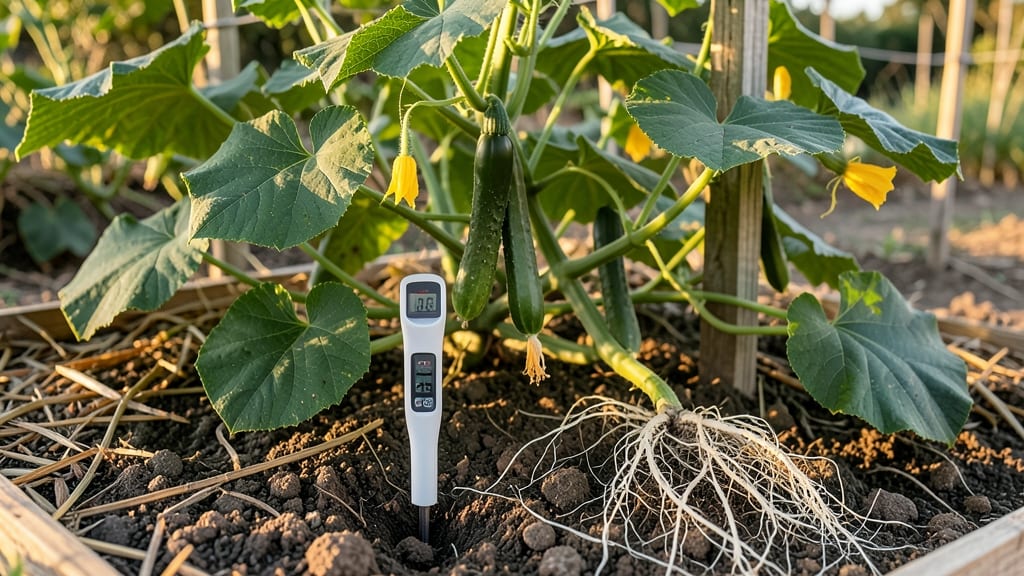
Many gardeners wonder, do cucumbers have deep roots, but their vines thrive with surprisingly shallow roots—just 6 to 12 inches deep.
If you’ve ever wondered whether your cucumber vines need a deep soil bed or if shallow pots will do, the answer could make or break your harvest—here’s what science says about cucumber root depth.
Their root systems spread widely rather than diving deep, which means soil depth and aeration matter more than you might think. Compacted or shallow soil can stunt growth, while loose, well-drained beds encourage stronger roots and bigger yields.
Below, I’ll break down the ideal planting depth, container size, and soil prep tricks to keep your 🥒 cucumbers thriving—whether you’re growing them in-ground or in pots.
How deep cucumber roots grow and what it means for your garden
If you’ve ever planted cucumbers and wondered whether they need deep soil or can thrive in shallow containers, the answer lies in their root system structure. Unlike deep-rooted vegetables like carrots, cucumbers develop a shallow but sprawling root network that prioritizes width over depth.
This adaptation supports their fast-growing, vining habits and heavy fruiting demands. Understanding this can transform your planting strategy—whether you’re using containers or in-ground beds.
Cucumbers primarily grow two types of roots: primary roots (the main taproot) and secondary roots (lateral roots that spread horizontally). The primary root rarely exceeds 12 inches in depth, while secondary roots fan out 18-24 inches wide to access moisture and nutrients.
This shallow depth is why cucumbers often struggle in compacted or rocky soil, where roots can’t expand freely. For gardeners, this means focusing on soil width and aeration rather than depth.
| Root Type | Typical Depth | Key Function | Growing Tip |
|---|---|---|---|
| Primary Root | 6-12 inches | Anchors plant, absorbs deep moisture | Avoid deep tilling to prevent damage |
| Secondary Roots | 1-3 inches deep | Spreads wide for nutrients/water | Use mulch to protect shallow roots |
| Adventitious Roots | Surface-level | Forms on vines for extra support | Train vines on trellises to maximize roots |
Soil compaction is the biggest enemy of cucumber roots. When soil is tightly packed—especially after heavy rain or foot traffic—the roots struggle to penetrate, leading to stunted growth and poor yields. I’ve seen this firsthand in my garden when I planted cucumbers in freshly tilled but still compacted soil.
The solution? Amend your soil with compost or sand to improve aeration, or use raised beds to give roots the space they need to spread.
Here’s where vining habits come into play: Trellised cucumbers develop more adventitious roots along their stems, which can slightly increase their effective root zone. These surface-level roots help stabilize the plant and absorb moisture from the topsoil.
However, even trellised varieties still rely on a shallow but wide root system, so don’t assume they’ll tolerate deep planting. Instead, focus on horizontal root space—this is why bush varieties often perform better in containers than vining types.
For container gardening, aim for pots that are at least 12 inches deep to accommodate the primary root, but prioritize 18-inch diameter containers to match the root spread. In-ground planting requires spacing cucumbers 18-24 inches apart to prevent root competition.
I once tried planting cucumbers too close together, and the roots tangled, leading to yellowing leaves and fewer cucumbers. Proper spacing makes all the difference!
Another critical factor is mulching. A 2-3 inch layer of organic mulch (like straw or grass clippings) keeps the soil moist and protects the shallow roots from temperature swings. Without mulch, the topsoil can dry out quickly, stressing the roots and reducing fruit production.
In my experience, mulched cucumber beds stay healthier and produce 20-30% more cucumbers than unmulched ones.
If you’re growing bush cucumber varieties, their roots are even shallower—often staying within the top 6 inches of soil. These compact plants are perfect for containers or small gardens, but they still need well-draining soil to prevent root rot.
For vining types, like ‘Straight Eight’ or ‘Marketmore’, the roots spread wider but stay just as shallow. The key takeaway? Depth matters less than space for cucumbers.
One common mistake I see is over-tilling the soil before planting. While tilling loosens soil, it can also sever fine secondary roots that cucumbers rely on. Instead, use a broadfork to aerate the soil gently or top-dress with compost to feed the roots without disturbing them.
This approach mimics natural soil conditions and encourages healthier root growth.
Finally, remember that watering habits directly impact root health. Cucumbers need consistent moisture, but their shallow roots can’t handle waterlogging. Water deeply in the morning to encourage roots to grow deeper slightly, but avoid soggy soil.
In my garden, I use drip irrigation to deliver water slowly at the root zone, which has improved both root development and cucumber quality.
Understanding cucumber root depth isn’t just about planting—it’s about creating the right environment for their shallow but sprawling root systems. With the right soil prep, spacing, and care, you’ll give your cucumbers the foundation they need to thrive. Now go ahead and dig in—your harvest will thank you! 🥒🌱
Best soil depth for cucumbers: containers vs. in-ground planting
Cucumbers don’t need deep roots like trees, but they do require 6-12 inches of loose soil to thrive. Their spread-out root systems (not deep taproots) mean shallow planting can work—if you follow the right rules. For containers, depth matters most, while in-ground plantings need proper spacing to prevent competition.
Most cucumber varieties develop secondary roots that spread 18-24 inches wide but rarely exceed 12 inches deep. This makes them ideal for raised beds or large pots, but shallow soil leads to stunted growth.
Bush varieties (like 'Bush Champion') need slightly less depth than vining types (like 'Straight Eight').
For container gardening, choose pots with at least 12-inch depth and 18-inch diameter per plant. Smaller pots (5-gallon size) work for bush varieties but limit harvests.
Always add drainage holes and mix 50% potting soil with 50% compost to prevent compaction. In-ground plantings need 18-24 inches between vines to avoid root crowding.
Amend in-ground soil with 2-3 inches of compost before planting to improve aeration. Compacted soil restricts root spread, leading to yellow leaves or poor fruiting.
Use a garden fork to loosen soil to 12-inch depth before planting. Mulch with straw or shredded leaves to retain moisture and prevent soil crusting.
If your cucumbers show stunted growth or few flowers, they’re likely root-bound. For containers, transplant to a larger pot immediately. In-ground plants may need side-dressing with compost or deep watering to encourage deeper roots. Always water at the soil base, not the leaves, to avoid fungal issues.
With the right soil depth and spacing, cucumbers reward you with vigorous vines and heavy yields. Start with well-amended soil, monitor root space, and adjust as needed—your harvest will thank you! 🥒🌱