
Diseases
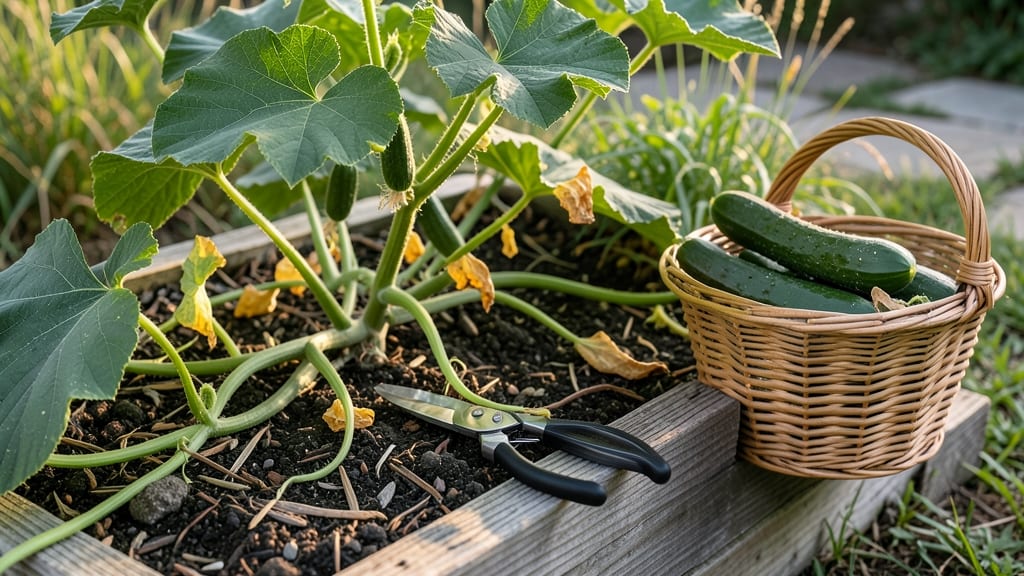
Those cucumbers turned yellow in your garden might signal a sweet reward—or a warning your plants need help, and I’ve learned the key to telling them apart. pests, or hidden stress.
The good news? Most yellowing cucumbers can be saved with quick action, and you’ll learn exactly how to tell the difference.
Overripe cucumbers are the most common culprit, but powdery mildew, nutrient deficiencies, or even inconsistent watering can turn leaves yellow too. The first step is checking the plant’s health: crisp, green leaves mean it’s just ripe, while wilted or spotted foliage signals trouble.
I’ve fixed yellowing cucumbers by adjusting watering schedules, adding compost, or even pruning affected vines—all without losing the whole harvest.
You’ll leave this guide knowing how to revive struggling plants, when to harvest for the best flavor, and how to prevent yellowing next season. The key is acting fast—whether it’s a quick pruning, a targeted spray, or simply picking those cucumbers before they overripe.
Your garden’s bounty is closer than you think.
Works for both backyard vines and container gardens, and the fixes apply to all cucumber varieties—from slicers to picklers. Let’s get those plants back to producing crisp, green cucumbers in no time.
Root Causes Behind Yellowing Cucumbers
Understanding why your cucumbers are turning yellow starts with identifying the underlying triggers. Here’s a breakdown of the most common reasons, backed by science and actionable insights:
Yellowing cucumbers often signal waterlogging, where roots suffocate from excess moisture. When soil stays soggy for too long, roots can’t absorb oxygen, leading to anaerobic stress—a condition where plant cells struggle to produce energy efficiently.
This triggers chlorophyll breakdown, causing leaves and stems to yellow (a process called chlorosis).
Key signs:
- Yellowing starts at the bottom leaves and spreads upward.
- Soil feels muddy or smells sour when squeezed.
- Roots appear grayish or mushy if inspected.
Why it happens: Cucumbers thrive in well-drained soil with a pH of 6.0–6.8. Overwatering disrupts the rootzone’s aerobic environment, while poor drainage prevents excess water from escaping. Compacted or clay-heavy soils worsen the issue by trapping moisture.
Nitrogen is the building block of chlorophyll, the pigment that gives plants their green color. When cucumbers lack nitrogen, older leaves turn yellow first—a classic sign of nitrogen deficiency. This is common in sandy soils or when plants are overcrowded, competing for limited nutrients.
Key signs:
- Yellowing begins on lower leaves (older growth).
- Stems may appear thin or weak.
- Slow growth despite regular watering.
Why it happens: Nitrogen is highly mobile in plants, so deficiencies appear first in mature leaves. Over time, the plant recycles nitrogen from older tissues to sustain new growth, accelerating yellowing. Cucumbers are heavy feeders and require 0.5–1 lb of nitrogen per 100 sq ft during the growing season.
Pathogens like powdery mildew, downy mildew, or bacterial leaf spot can cause yellowing, often accompanied by spots, lesions, or a white powdery coating. These infections disrupt the plant’s photosynthetic process, leading to chlorophyll loss and yellowing.
Key signs:
- Yellow patches with dark spots or mold (common on upper leaves).
- Leaves may curl or develop necrotic (dead) areas.
- Stems or vines can rot or ooze fluid (bacterial infections).
Why it happens: Humid conditions (above 75% humidity) and poor air circulation create the perfect breeding ground for fungi and bacteria. Cucumbers are susceptible to downy mildew (Pseudoperonospora cubensis), which thrives in cool, wet weather (60–75°F). Bacterial infections often spread through contaminated tools or water.
Extreme temperatures can shock cucumber plants, causing rapid yellowing. Heat stress (above 90°F) disrupts chlorophyll production, while cold snaps (below 50°F) slow metabolic processes, leading to nutrient starvation in leaves.
Key signs:
- Yellowing occurs suddenly across multiple leaves.
- Leaves may wilt or develop brown edges.
- New growth appears stunted or deformed.
Why it happens: Cucumbers are warm-season crops (70–85°F ideal). Heat stress triggers oxidative damage in cells, while cold stress reduces enzyme activity, halting nutrient uptake. Prolonged exposure forces the plant to shed damaged leaves to conserve energy.
Pests like aphids, spider mites, or cucumber beetles feed on plant sap, disrupting nutrient transport and causing yellowing. Heavy infestations can lead to stunted growth and leaf drop as the plant diverts energy to repair damage.
Key signs:
- Yellowing paired with sticky residue (honeydew) or fine webbing.
- Small holes or chewed edges on leaves.
- Wilting despite adequate water.
Why it happens: Sap-sucking pests inject toxins (e.g., aphids release salivary enzymes) that interfere with chlorophyll synthesis. They also block stomata, reducing the plant’s ability to absorb CO₂ for photosynthesis.
Soil pH below 6.0 or above 7.5 locks out essential nutrients like iron, manganese, or zinc, even if they’re present. Yellowing between leaf veins (interveinal chlorosis) often signals iron deficiency, while toxic buildup (e.g., from over-fertilization) can scorch roots and leaves.
Key signs:
- Yellowing between veins (iron deficiency).
- Brown or blackened leaf tips (salt toxicity from fertilizers).
- Slow growth despite fertile-looking soil.
Why it happens: Cucumbers prefer slightly acidic to neutral soil (pH 6.0–6.8). High pH (alkaline soil) makes iron and manganese insoluble, preventing uptake. Over-fertilizing with synthetic nitrogen (e.g., ammonium sulfate) can also raise soil salinity, burning roots.
Not all yellowing is a cause for alarm—older leaves naturally yellow as the plant matures, redirecting nutrients to fruit production or new growth. This is most common in late summer when days shorten.
Key signs:
- Yellowing starts on lower, mature leaves first.
- No other symptoms (spots, wilting, or pests).
- Plant remains vigorous with healthy new growth.
Why it happens: Plants recycle nutrients from senescing leaves to support flowering and fruiting. Cucumbers prioritize fruit development over leaf maintenance, especially when nearing harvest.
Pro Tip: 💡 To diagnose the cause, check the pattern of yellowing (bottom-up = nutrient/water issues; top-down = environmental stress) and inspect leaves for physical damage or pathogens.
Quick fixes for reviving yellowing cucumbers
When your cucumbers start turning yellow, it’s a clear sign they need attention—whether from disease, pests, or environmental stress. The good news? Most issues are fixable with the right approach. Below, we’ll break down practical, step-by-step solutions tailored to the root cause, plus prevention tips to keep your cucumbers thriving.
Yellowing leaves (especially lower ones) and soggy soil often mean your cucumbers are drowning. Overwatering deprives roots of oxygen and invites fungal diseases like damping-off or root rot.
How to Fix It: ✅ 🔥 Step 1: Check the Soil
- Stick your finger 1–2 inches deep into the soil. If it’s damp, hold off on watering. Cucumbers prefer consistently moist (not soggy) soil.
✅ 👨🍳 Step 2: Improve Drainage
- If your garden bed has compacted soil, amend it with:
- 50% compost (for organic matter)
- 30% perlite or coarse sand (for aeration)
- 20% coconut coir (to retain moisture without waterlogging)
- For container growers: Ensure pots have drainage holes and use a well-draining potting mix.
✅ 🥘 Step 3: Adjust Watering Habits
- Water deeply 1–2 times per week (early morning is best).
- Avoid shallow sprinkling—use a soaker hose or drip irrigation to deliver water at the base.
- Pro Tip: 💡 Mulch heavily (2–3 inches of straw or wood chips) to reduce evaporation and prevent soil splashing (which spreads disease).
✅ ⏰ Step 4: Monitor & Prevent Future Issues
- If root rot is suspected (black, mushy roots), prune affected leaves to redirect energy to healthy growth.
- Prevention: Plant cucumbers in raised beds if your soil drains poorly.
Yellow patches or bleached edges on leaves? Your cucumbers might be sunburned or struggling in extreme heat (above 90°F/32°C). Heat stress weakens plants, making them vulnerable to pests and disease.
How to Fix It: ✅ 🌡️ Step 1: Provide Shade
- Install shade cloth (30–50%) over plants during peak afternoon heat.
- Use lightweight row covers or straw mulch to reflect sunlight.
✅ 💦 Step 2: Increase Water Efficiency
- Water more frequently in short bursts (early morning or late evening).
- Try drip irrigation with a timer to keep soil evenly moist.
✅ 🌱 Step 3: Boost Soil Moisture Retention
- Mix hydrogel crystals into the soil to lock in water.
- Pro Tip: 🌿 Plant heat-tolerant varieties like ‘Straight Eight’ or ‘Marketmore’ for future crops.
✅ ✨ Step 4: Protect Leaves from Scorch
- Avoid overhead watering—water at the base to prevent leaf burn.
- Prevention: Train vines to grow vertically (on trellises) for better airflow and less sun exposure.
Yellowing leaves with white powdery spots (powdery mildew) or yellow patches on undersides (downy mildew) mean a fungal infection is at play. These thrive in humid, poorly ventilated conditions.
How to Fix It: ✅ 🧼 Step 1: Remove Infected Plant Parts
- Prune yellowed or spotted leaves with sterilized scissors (wipe with rubbing alcohol).
- Do not compost infected foliage—dispose of it in the trash to prevent spread.
✅ 🍳 Step 2: Improve Air Circulation
- Space plants 18–24 inches apart (or prune vines to open the canopy).
- Use fan circulation in greenhouses or trellises for outdoor plants.
✅ 🔥 Step 3: Apply Fungicidal Sprays
- Baking soda spray (1 tsp baking soda + 1 quart water + few drops of soap) – spray every 7–10 days.
- Neem oil (1 tbsp neem oil + 1 quart water + spray oil) – apply at dusk to avoid burning leaves.
- Commercial fungicides (like copper-based sprays) for severe cases.
✅ 🎯 Step 4: Prevent Recurrence
- Water at soil level (avoid wetting leaves).
- Rotate crops yearly—don’t plant cucumbers in the same spot.
- Pro Tip: 🌱 Plant resistant varieties like ‘Armenia’ or ‘Tyria’ for future seasons.
Yellowing leaves with sticky residue (honeydew) or tiny webs? Pests like aphids or spider mites are sucking the life out of your cucumbers.
How to Fix It: ✅ 🔍 Step 1: Identify the Pests
- Aphids: Tiny green/black bugs clustered on new growth.
- Spider mites: Tiny yellow/red dots + fine webbing on undersides.
✅ 🛡️ Step 2: Use Natural Pesticides
- Soapy water spray (1 tsp mild soap + 1 quart water) – spray directly on pests.
- Insecticidal soap or neem oil (reapply every 5–7 days).
- Introduce beneficial insects (ladybugs, lacewings) for long-term control.
✅ 🌿 Step 3: Physical Removal
- Blast pests off with a strong stream of water.
- Handpick large infestations and drop them in soapy water.
✅ ✨ Step 4: Prevent Future Infestations
- Interplant with pest-repelling herbs (basil, marigolds, or dill).
- Remove weeds (they harbor pests).
- Pro Tip: 💡 Yellow sticky traps can catch flying pests like whiteflies.
Yellowing leaves with green veins (especially older leaves) often signal a nutrient deficiency. Cucumbers are heavy feeders and need balanced care.
How to Fix It: ✅ 📊 Step 1: Test Your Soil
- Use a home soil test kit to check pH (ideal: 6.0–6.8) and nutrient levels.
- Yellowing lower leaves? Likely nitrogen deficiency.
- Yellowing edges or spots? Could be potassium or magnesium.
✅ 🍎 Step 2: Apply Organic Fertilizers
- For nitrogen: Use fish emulsion (5-1-1) or alfalfa meal.
- For potassium: Banana peel tea (steep peels in water for 24 hours) or greensand.
- For magnesium: Epsom salt spray (1 tbsp per gallon of water, spray foliage).
✅ 🌱 Step 3: Improve Soil Health Long-Term
- Add compost (1–2 inches around plants, not touching stems).
- Use worm castings for slow-release nutrients.
- Pro Tip: 🔥 Side-dress with a balanced fertilizer (10-10-10) every 3–4 weeks.
If your cucumbers are severely yellowed, wilted, or diseased beyond saving, it’s time to harvest what’s salvageable and reset the plant.
✅ 🍉 Step 1: Harvest Healthy Fruit
- Pick any ripe cucumbers (even if leaves are
Frequently asked questions
Are my cucumbers just overripe if they're turning yellow?
Not always! While ripe cucumbers may develop slight yellowing, especially near the stem, full yellowing of leaves or vines usually signals a problem. Check for other signs: crisp, green leaves with yellow patches often mean disease, while soft, mushy yellowing suggests rot. Harvest cucumbers when they're firm and dark green for the best flavor.
Why are my cucumber leaves yellow but the fruit is still green?
This usually indicates a nutrient deficiency (like nitrogen) or watering issues. The plant prioritizes fruit production, so leaves yellow first when stressed. Check soil moisture—dry or waterlogged soil both cause problems. Try adding compost or balanced fertilizer and adjust your watering schedule to deep watering 1-2 times per week.
Can I still eat cucumbers from plants with yellow leaves?
Yes, but only if the yellowing is limited to a few leaves and the fruit remains firm and healthy. Avoid eating cucumbers from plants with white powdery mildew or black spots—these indicate fungal infections. Wash all cucumbers thoroughly before eating. For safety, harvest only from healthy-looking vines when possible.
How do I tell if yellowing is from pests vs. disease?
Pests (like aphids or spider mites) often cause sticky residue (honeydew) or tiny webs along with yellowing. Diseases like powdery mildew show white powdery spots, while bacterial infections create water-soaked yellow patches. Check leaf undersides for pests or inspect stems for ooze or lesions.