
Vegetables
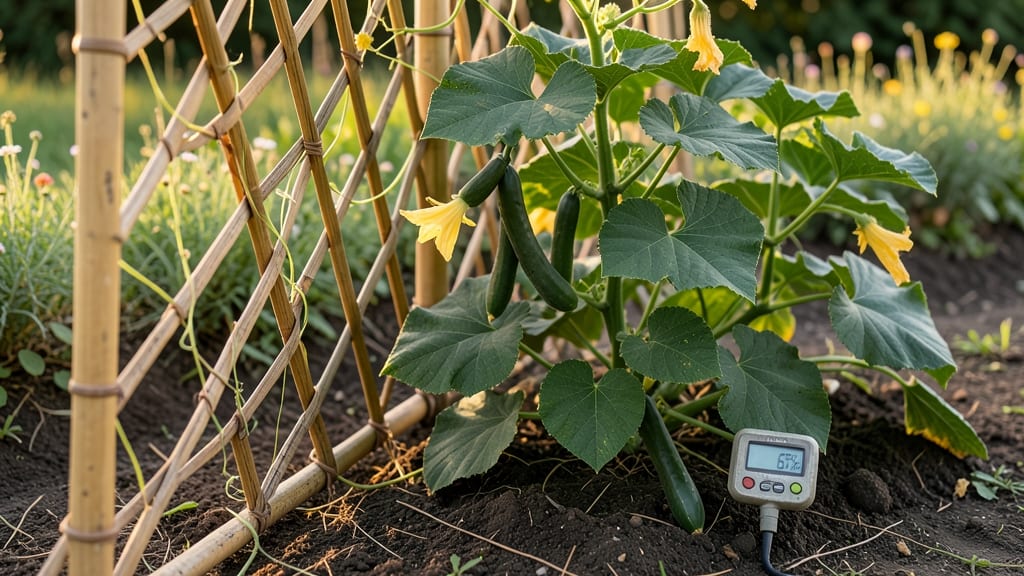
That sad green cucumber turned yellow in your salad bowl? 🌱 The crisp, green cucumbers you planted with such hope can turn yellow for reasons ranging from overripeness to disease, but the good news is most fixes are simple—and fast.
I’ve saved dozens of cucumbers from the compost bin using these science-backed tricks that keep your harvest fresh and crunchy.
First, check the cucumber’s age—overripe cucumbers lose their green color as sugars convert, but they’re still safe to eat. If the yellowing is paired with soft spots, powdery mildew, or strange bumps, you’re dealing with environmental stress or pests.
The key is acting quickly: isolate affected plants, adjust watering, and treat with neem oil or copper spray if needed.
For prevention, focus on consistent moisture (1-2 inches per week) and proper spacing—crowded vines invite disease, while too little water causes stress. Harvest frequently (every 2-3 days) to encourage new growth, and watch for cucumber beetles, which chew leaves and spread bacteria.
A row cover early in the season can save your plants from these pests.
With these fixes, you’ll go from yellowing cucumbers to crisp, vibrant harvests in no time. The secret? Staying ahead of the problem before it spreads. Let’s get those cucumbers back to their salad-ready best!
Root Causes Behind Yellowing Cucumbers
Cucumbers are crisp, cool, and vibrant—until they start turning yellow. That shift isn’t just cosmetic; it’s a sign your cucumbers are communicating a need for attention. Let’s break down the key reasons your green cucumbers are losing their color, backed by science and practical insights.
Cucumbers, like many fruits and vegetables, undergo natural aging. As they ripen, their chlorophyll (the pigment responsible for their green hue) breaks down, revealing xanthophylls—yellow and orange pigments that were always present but masked by chlorophyll.
This process accelerates when cucumbers are left on the vine too long or stored improperly.
Why it happens:
- Ethylene gas production: Cucumbers release ethylene as they mature, a hormone that triggers ripening. Over time, this gas accelerates chlorophyll degradation.
- Cellular breakdown: The plant’s natural sugars and starches convert into simpler compounds, altering pigment production.
- Temperature fluctuations: Exposure to inconsistent temperatures (like moving from a cool fridge to room temperature) speeds up metabolic processes, including yellowing.
Actionable fix: 💡 Harvest at peak freshness: Pick cucumbers when they’re firm, dark green, and free of blemishes. Most varieties ripen within 50–70 days after planting. If you’re growing them at home, monitor the vine closely—overripe cucumbers won’t recover their crunch or color.
Cucumbers are 95% water, so their hydration levels directly impact their appearance. Too much or too little water can trigger yellowing, but the mechanisms differ.
Why it happens:
- Underwatering: When cucumbers don’t get enough water, their cells lose turgor pressure, causing stress. The plant prioritizes survival over chlorophyll production, leading to yellowing leaves and cucumbers.
- Overwatering: Excess moisture deprives roots of oxygen, leading to anaerobic conditions. This stress forces the plant to break down chlorophyll as a defense mechanism, turning cucumbers yellow or even brown.
- Uneven watering: Inconsistent soil moisture (e.g., drought followed by sudden watering) shocks the plant, accelerating pigment loss.
Actionable fix: 🌡️ Maintain consistent moisture:
- Water deeply 1–2 inches per week, ensuring the soil stays evenly damp but not soggy.
- Use drip irrigation or soaker hoses to deliver water directly to the roots, avoiding leaf wetness that can promote disease.
- Mulch around plants to retain moisture and regulate soil temperature.
Cucumbers thrive in warm weather but can suffer when temperatures or sunlight become extreme. Yellowing often appears as a response to heat stress or sun scorch, where the plant’s protective layers break down.
Why it happens:
- Excessive heat (>90°F/32°C): High temperatures disrupt photosynthesis, causing chlorophyll to degrade. The cucumber’s skin may also develop a waxy, yellowish film as a protective response.
- Sunburn: Direct, intense sunlight (especially in dry conditions) can bleach the cucumber’s surface, turning it yellow or even white in patches.
- Poor air circulation: Trapped heat under dense foliage accelerates yellowing, as the plant struggles to regulate its temperature.
Actionable fix: ✨ Shade and temperature management:
- Provide 30–50% shade cloth during peak afternoon sun (especially in hot climates).
- Space plants 2–3 feet apart to improve airflow and reduce heat buildup.
- Harvest cucumbers early in the day when temperatures are cooler to minimize stress.
- Use light-colored mulch (like straw) to reflect heat away from the soil.
Yellowing cucumbers can also signal an underlying infection. Fungal diseases like powdery mildew or downy mildew, as well as bacterial soft rot, often cause discoloration alongside other symptoms (e.g., spots, wilting, or mold).
Why it happens:
- Powdery mildew: This fungus thrives in warm, humid conditions, creating a white or yellowish powdery coating on leaves and fruit. It blocks sunlight, forcing the cucumber to prioritize defense over chlorophyll.
- Downy mildew: A water-loving pathogen that causes yellow, oily spots on the upper surface of leaves and cucumbers. It spreads rapidly in wet weather.
- Bacterial soft rot: Caused by Erwinia bacteria, this infection leads to yellowing, mushy tissue, and a foul odor as the cucumber’s cells break down.
Actionable fix: 🔥 Prevent and treat infections:
- Rotate crops annually to prevent soil-borne pathogens from lingering.
- Water at the base (avoid overhead sprinkling) and ensure good drainage to reduce humidity around leaves.
- Apply copper fungicide or neem oil at the first sign of mildew. For bacterial issues, use a 1% hydrogen peroxide spray (mix 1 part 3% food-grade H₂O₂ with 9 parts water).
- Remove and destroy infected plants to prevent spread.
Cucumbers are heavy feeders, and imbalances in nutrients can cause yellowing. While deficiencies are common, over-fertilization (especially with nitrogen or salts) can also trigger discoloration.
Why it happens:
Nutrient Issue
Symptoms
Cause
Magnesium deficiency
Yellowing between leaf veins (interveinal chlorosis), starting on older leaves
Poor soil structure, high pH, or excessive potassium
Nitrogen deficiency
Pale yellow or yellow-green leaves, stunted growth
Insufficient organic matter or over-harvesting
Potassium deficiency
Yellowing at leaf edges, weak stems, poor fruit quality
Leaching from overwatering or sandy soil
Salt buildup
Yellowing leaves with brown, crispy edges; poor growth
Over-fertilization with synthetic fertilizers or poor irrigation water
Actionable fix: 💡 Test and balance soil nutrients:
- Conduct a soil test (available through extension services) to identify deficiencies or toxicities.
- For magnesium deficiency, apply Epsom salt (1 tbsp per gallon of water) as a foliar spray or soil drench.
- Avoid high-nitrogen
Revive Your Cucumbers Naturally
When your once-vibrant green cucumbers take on an unwanted yellowish hue, don’t toss them just yet! The good news is that most causes of yellowing—whether it’s overripeness, disease, or environmental stress—have simple, science-backed fixes to restore their crisp, fresh appeal.
Below, we’ve mapped out practical solutions tailored to the root cause, along with prevention tips to keep your cucumbers looking (and tasting) their best.
Yellowing often signals the natural aging process, but that doesn’t mean your cucumbers are past their prime. Try these tricks to revive their crunch and flavor:
1. 🍽️ Use Them in Cooked Dishes
If the skin is soft or the flesh is mealy, stop slicing them raw.
Instead, leverage their mild sweetness in: - Pickles or fermented snacks (the acidity can mask bitterness). - Stir-fries or soups (heat softens texture and enhances flavor). - Cucumber fritters or breadcrumbs (grated cucumber binds well in recipes).
💡 Pro Tip: Freeze grated cucumber in ice cube trays for smoothies or baked goods—it prevents waste and adds hydration!
2. 🧼 Soak in Cold Water with Vinegar
For slightly yellowed but still firm cucumbers, a 10-minute soak in:
- 1 cup cold water
- 1 tbsp white vinegar (or lemon juice)
- 1 tsp salt
…can temporarily brighten the skin and reduce bitterness. Rinse thoroughly before use.
⏰ Time-Saver: Skip the soak if you’re prepping for salads—just peel the skin and slice as usual.
Yellow patches with dark spots, mold, or slimy texture mean disease is at play. Act fast to stop the spread and salvage what you can:
1. 🧼 Scrub and Disinfect
- Gently scrub the cucumber under cool running water with a soft brush (like a vegetable scrubber).
- Sanitize in a 1:10 bleach-water solution (1 tbsp bleach per gallon of water) for 2 minutes max, then rinse twice.
- Dry thoroughly with a clean towel to prevent moisture from encouraging more growth.
⚠️ Warning: Do not eat moldy or severely slimy cucumbers—they can cause foodborne illness.
2. 🌿 Natural Antifungal Spray (Prevention for Future Harvests)
Mix 1 tbsp baking soda + 1 tsp dish soap + 1 gallon water in a spray bottle. Lightly mist healthy cucumber plants (not the fruit) once a week to deter fungal spores like powdery mildew.
🎯 Prevention Bonus: Space plants for good airflow and remove yellow leaves from vines to reduce disease risk.
Cucumbers left exposed to intense sun or under heat stress develop yellow patches. Here’s how to fix and prevent it:
1. 🌿 Move to Shade Immediately
- Harvest and relocate cucumbers to a cool, shaded area (like a garage or basement) for 4–6 hours.
- Mist with water to cool them down—this can slow further yellowing.
2. 💧 Hydrate Properly
- Soak the roots in cool water for 30 minutes if the cucumber was recently harvested.
- Store in the crisper drawer of your fridge (not the door!) with a damp paper towel to retain moisture.
🌡️ Heat Hack: If growing cucumbers, use shade cloth (30–50%) during peak sun (10 AM–4 PM) to prevent stress.
Yellowing with bitter taste or chemical smell? Your cucumbers may have absorbed too much fertilizer, pesticide, or herbicide. Here’s how to detox them:
1. 🚿 Rinse and Peel
- Peel the skin (where most residues linger) and slice thinly.
- Soak slices in lemon water (1 lemon per 4 cups water) for 15 minutes to neutralize some chemical odors.
2. 🌱 Adjust Growing Practices
- Test soil before fertilizing—cucumbers thrive in balanced (5-10-10) NPK ratios.
- Use organic mulch (straw or grass clippings) to reduce runoff and prevent over-absorption.
✨ Eco Tip: Companion plant with nasturtiums—they act as a natural pesticide repellent!
Want to avoid yellow cucumbers altogether? Follow this 5-step routine:
- Harvest at peak ripeness (firm, dark green, ~6–8 inches long).
- Store properly: Unwashed, in a perforated bag in the crisper drawer (lasts 1–2 weeks).
- Rotate crops—don’t plant cucumbers in the same spot yearly to prevent soil-borne diseases.
- Water at the base (not leaves) to reduce fungal risk.
- Check for pests weekly—cucumber beetles and aphids stress plants, leading to yellowing.
Final Thought: Yellow cucumbers aren’t always a lost cause—repurpose, treat, or prevent with these science-backed methods. Whether you’re reviving a sad-looking salad ingredient or safeguarding your next harvest, small adjustments make a big difference in texture, taste, and shelf life! 🥒✨
Frequently asked questions
Is it safe to eat a green cucumber that turned yellow?
Most yellow cucumbers are still safe to eat, but check for soft spots or mold first. If the skin is firm and there’s no foul odor, peel it and use it in cooked dishes like stir-fries or pickles. Avoid eating if the flesh is mushy or slimy—this could indicate bacterial soft rot.
Why does my cucumber turn yellow at the stem end first?
This usually happens due to ethylene gas buildup or overripeness. The stem end ripens first because it’s closest to the vine’s nutrient source. Harvest cucumbers when they’re 6–8 inches long and dark green to prevent premature yellowing. Store them in the fridge to slow ripening.
Can I save a yellow cucumber from turning mushy?
Try this quick fix: Place the cucumber in a bowl of ice water for 15–20 minutes to firm it up. Then store it in the crisper drawer with a damp paper towel to retain moisture. For best results, use it within 24 hours—yellow cucumbers won’t regain their original crispness.
What’s the difference between yellowing from heat and disease?
Heat-stressed cucumbers develop pale yellow patches with no other symptoms, while diseased ones show spots, powdery coatings, or slimy textures. Check the leaves too—yellowing leaves with white powder indicate powdery mildew, while brown spots suggest bacterial infection.
How do I prevent my cucumbers from yellowing too quickly?
Focus on consistent care: water 1–2 inches per week, harvest frequently, and provide 30–50% shade during peak sun. Use drip irrigation to avoid wetting leaves (which spreads disease), and mulch to retain moisture. Rotate crops yearly to prevent soil-borne issues.