
Diseases
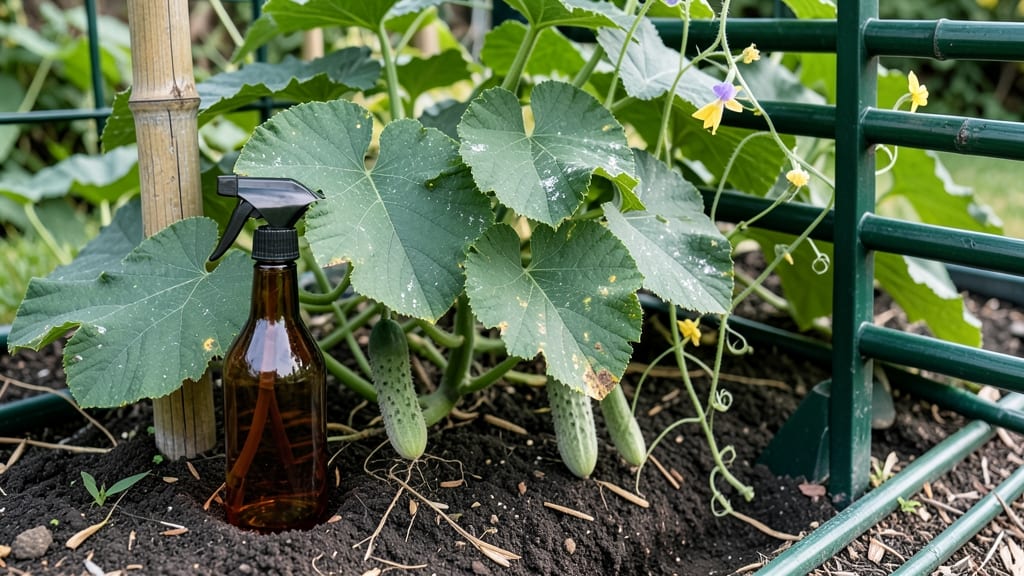
Cucumber fungal diseases can turn your thriving vines into a sad, spotted mess—unless you catch them early. 🌱 I’ve lost entire harvests to powdery mildew and downy mildew, but I’ve also saved plants using simple, science-backed fixes that keep cucumbers healthy and productive all season long.
The real culprits are too much moisture, poor airflow, and crowded plants—all easy fixes once you know what to watch for. Yellow spots? That’s likely downy mildew.
White powder? Powdery mildew. Black sunken patches? Anthracnose. Each has a distinct look, and spotting them early means you can act before the disease spreads.
With the right spacing, watering schedule, and a few organic sprays, you’ll keep your plants thriving instead of struggling.
I’ll walk you through exactly what to do—from preventive care to targeted treatments—so your cucumbers stay strong, your harvests stay big, and you never panic when you see the first sign of trouble.
This works for both backyard gardens and container setups, no matter your experience level. Let’s get those vines back in fighting shape!
The Hidden Triggers Behind Fungal Attacks
Fungal diseases don’t just appear out of nowhere—they thrive when specific conditions align like a perfect storm. Understanding these triggers is the first step to protecting your cucumber plants.
Let’s break down the real culprits behind fungal outbreaks, so you can spot warning signs early and take action before your harvest is at risk.
Fungi love water—too much of it, that is. Cucumber plants need consistent moisture, but standing water or overhead irrigation creates the ideal breeding ground for pathogens like downy mildew and powdery mildew. Here’s why:
- Humidity & Leaf Wetness: Fungal spores germinate best in high humidity (above 75%) and when leaves stay wet for more than 6 hours.
Morning dew or evening watering can trap moisture on foliage, giving fungi a foothold. - Poor Soil Drainage: Compacted or clay-heavy soil holds excess water, suffocating roots and weakening plants.
Weakened plants are far more susceptible to fungal infections. - Flooding or Overwatering: While cucumbers need regular water, soggy soil disrupts root function and invites waterborne pathogens like Phytophthora, which causes root rot.
✨ Pro Tip: Water at the base of plants in the morning (not overhead) and ensure raised beds or containers have drainage holes. Mulch with straw to retain moisture without drowning roots.
Fungi are opportunistic—some prefer cool, damp conditions, while others thrive in heat stress. Cucumbers grown in inconsistent weather are prime targets:
- Cool Nights + Warm Days: Many fungal diseases (e.g., downy mildew) flourish when temperatures drop below 70°F (21°C) at night after hot days.
This temperature swing weakens plant defenses. - High Heat Stress: While some fungi (like powdery mildew) love warm, dry conditions (80–90°F / 27–32°C), extreme heat can also burn leaves, creating entry points for infections. - Rainy Seasons: Prolonged rain washes away protective spores (like powdery mildew’s white coating) and spreads fungal spores via wind and water splashes.
💡 Quick Fix: Choose heat-tolerant cucumber varieties (e.g., ‘Straight Eight’ or ‘Marketmore 76’) and use shade cloth during heatwaves to moderate temperature swings.
Fungal spores are persistent—they can survive in soil for years or hitchhike on old plant material. If you’ve grown cucumbers (or other susceptible crops like melons or squash) in the same spot before, you’re rolling the dice:
- Leftover Spores: Pathogens like Fusarium or Verticillium (which cause wilt diseases) can overwinter in soil and reinfect new plants. - Infected Plant Debris: Dead leaves, vines, or even composted plant matter can harbor dormant spores.
If you till these into the soil, you’re essentially fertilizing your own fungal problems. - Tool & Container Contamination: Reusing pots, trellises, or pruners without cleaning them can spread fungi from one plant to another.
🔥 Prevention Hack: Practice crop rotation (avoid planting cucumbers in the same spot for 3+ years) and sterilize tools with a 10% bleach solution (1 part bleach to 9 parts water).
A healthy cucumber plant is your best defense. When plants are stressed—whether from poor nutrition, pests, or physical damage—fungal diseases move in like vultures.
- Nitrogen Deficiency: Yellowing leaves (a sign of low nitrogen) weaken the plant’s cuticle (its natural protective layer), making it easier for fungi to penetrate. - Phosphorus/Potassium Imbalance: Without enough phosphorus, roots struggle to absorb water and nutrients, while low potassium reduces disease resistance.
Look for purple stems (phosphorus) or weak, brittle growth (potassium). - Pest Damage: Insects like cucumber beetles or aphids create open wounds that fungi exploit. Even wind or hail damage can serve as entry points.
🎯 Action Step: Use a balanced fertilizer (10-10-10) at planting and side-dress with compost mid-season. Monitor for pests and remove affected leaves immediately to prevent spread.
Fungi spread fastest in crowded, humid conditions where air can’t circulate. When cucumber vines are packed too tightly:
- Reduced Airflow: Stagnant air traps moisture and spores, giving fungi a direct highway to infect multiple plants.
- Shaded Leaves: Dense foliage blocks sunlight, keeping leaves damp and cool—perfect for downy mildew.
- Increased Humidity: Overcrowding raises microclimate humidity, even in dry climates.
🌡️ Simple Solution: Space plants 3–4 feet apart (or use vertical trellises) and prune aggressively to improve airflow. Avoid mulching too thickly near stems to prevent moisture buildup.
Even before your plants hit the soil, they could be pre-infected. Many fungal diseases are seed-borne or lurk in nursery stock:
- Seed-Transmitted Pathogens: Some fungi (like Fusarium) can be embedded in seed coats and emerge when conditions are right.
- Infected Transplants: Nursery-grown seedlings may show no symptoms but carry hidden infections that explode once planted outdoors.
🔍 Smart Move: Buy certified disease-free seeds from reputable suppliers and inspect transplants for discoloration or mold before purchasing. Soak seeds in a 1% hydrogen peroxide solution for 30 minutes to disinfect.
Fungal diseases rarely strike alone—they exploit multiple weaknesses at once. By addressing moisture, temperature, soil health, and plant spacing, you’re not just treating symptoms—you’re starving the problem at its source.
Next up: How to Spot These Diseases Early—so you can act before your cucumbers become a fungal buffet! 🍉✨
Fixing Fungal Issues Fast
Fungal diseases can turn your thriving cucumber plants into a sad, spotted mess—but don’t panic! With the right approach, you can reverse the damage and protect your harvest. Below, we’ve mapped out practical solutions for common fungal culprits, from powdery mildew to downy mildew and more.
Each fix includes prevention tips to keep future outbreaks at bay.
Cause: White, powdery patches on leaves (usually from high humidity + poor airflow). Fix:
- 🧼 Remove infected leaves immediately—snip them off with clean scissors and dispose of them in the trash (not compost).
- 💦 Spray with a baking soda mix (1 tsp baking soda + 1 quart water + a drop of dish soap) every 7–10 days for mild cases.
- 🌿 Boost airflow by pruning crowded vines and spacing plants 12–18 inches apart.
- 🌞 Increase sunlight—fungi love shade. Train vines to climb trellises for better air circulation.
💡 Prevention Pro Tip:
- 🌱 Plant resistant varieties like ‘Straight Eight’ or ‘Tyria’ if powdery mildew is a repeat offender.
- 🌧️ Water in the morning so leaves dry quickly—wet foliage at night = fungal party time.
Cause: Yellow spots on top leaves, fuzzy gray growth underneath (thrives in wet conditions). Fix:
- 🔪 Prune infected leaves—don’t leave them on the plant! Burn or trash them far from the garden.
- 💧 Switch to overhead watering (if possible) and water at soil level instead of spraying leaves.
- 🍄 Apply copper fungicide (like Bordeaux mix or copper soap) every 7–10 days for severe cases.
- 🌿 Rotate crops—don’t plant cucumbers in the same spot next year (fungi linger in soil).
💡 Prevention Pro Tip:
- 🌱 Use row covers early in the season to block spores from spreading via wind or water.
- 🌡️ Avoid overwatering—soil should stay moist but not soggy.
Cause: Dark, sunken spots on leaves and fruit (common in hot, humid weather). Fix:
- 🗑️ Remove and destroy infected fruit/leaves—this disease spreads via spores from dead plant matter.
- 🍄 Spray with neem oil (1 tbsp neem oil + 1 quart water + a drop of soap) weekly until symptoms disappear.
- 🌞 Improve airflow by thinning vines and avoiding overhead irrigation.
- 🌱 Choose resistant varieties like ‘Poona Kheera’ if anthracnose is a recurring issue.
💡 Prevention Pro Tip:
- 🌧️ Water deeply but infrequently—shallow, frequent watering encourages fungal growth.
- 🧹 Sterilize tools between plants to avoid spreading spores.
No matter the disease, these universal fixes work wonders: - 🌿 Crop rotation—wait 3 years before replanting cucumbers in the same spot. - 🌱 Healthy soil = strong plants—add compost or mycorrhizal fungi to boost immunity. - 🍄 Biological controls—introduce beneficial fungi like Trichoderma or predatory mites to outcompete pathogens. - 🌡️ Monitor humidity—aim for 40–60% humidity in your garden.
Use a dehumidifier in greenhouses if needed.
✨ Bonus Hack:
- 🍋 Vinegar spray (1 tbsp apple cider vinegar + 1 gallon water) can prevent fungal spores from taking hold—test on a small area first!
Remember: The key is early action. Catch fungal issues before they spread, and your cucumbers will stay healthy, happy, and productive all season long! 🚀🌱
Frequently asked questions
What’s the first sign of fungal disease in cucumbers?
Look for white powdery spots (powdery mildew), yellow patches with gray fuzz on undersides (downy mildew), or dark sunken lesions on leaves/fruit (anthracnose). These appear within 2-3 weeks of poor conditions like high humidity or overcrowding. Act fast—remove infected leaves immediately to stop spread!
Can I still eat cucumbers if they have fungal spots?
Only if the spots are superficial and small. Wash thoroughly and cut away any discolored areas. Avoid eating fruit with soft, mushy spots (like anthracnose) or moldy growth—these can harbor harmful spores. When in doubt, compost the affected produce safely.
How often should I spray fungicides on my cucumbers?
For preventive sprays (like neem oil or baking soda), apply every 7-10 days during humid seasons. If treating active infections (copper fungicide), spray every 5-7 days until symptoms disappear. Always spray early morning so leaves dry quickly—wet foliage at night fuels fungal growth.
Will fungicides harm bees or beneficial insects?
Most organic options (neem oil, copper, baking soda) are bee-safe when applied after pollination hours (late afternoon/evening). Avoid synthetic fungicides like chlorothalonil—these can harm pollinators. Always check labels and never spray when bees are active (especially during bloom).
Can I reuse last year’s cucumber pots without sterilizing?
No—fungal spores survive for years in old soil and containers. Sterilize pots with bleach solution (1:9 ratio) or bake at 200°F (93°C) for 30 minutes. For soil, solarize it by covering with clear plastic for 4-6 weeks in hot sun. Cross-contamination is the #1 reason fungal diseases return yearly!