
Landscaping
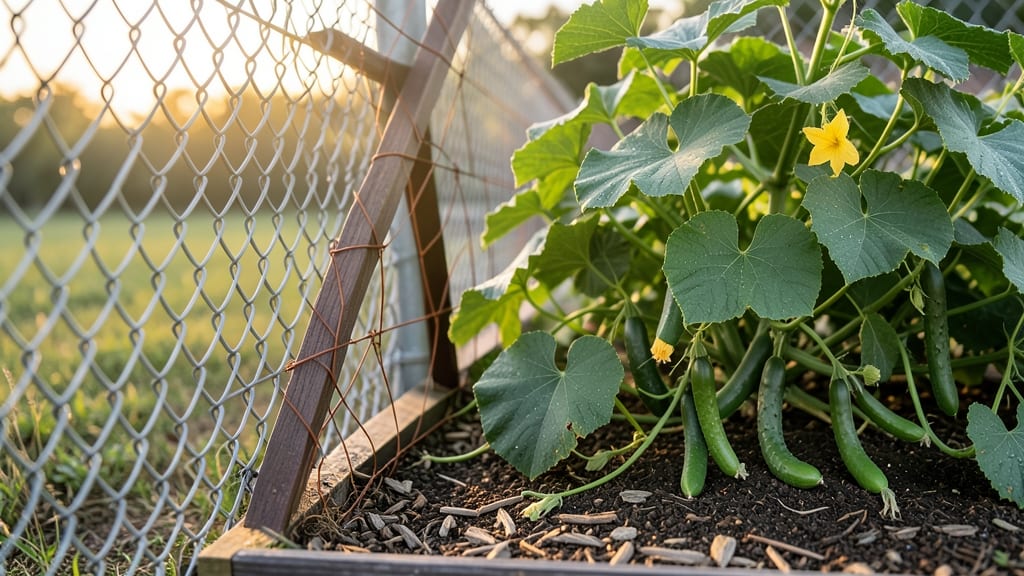
Growing cucumbers on a chain link fence turns wasted space into a high-yielding harvest. 🌱 I transformed my narrow backyard from a weed patch to a productive vine jungle using just a fence, some zip ties, and a few key tricks. The best part?
No more sprawling vines taking over your garden—just neat, upward growth that maximizes sunlight and keeps fruits off the ground. This method works best with bushier varieties like 'Straight Eight' or 'Spacemaster,' which handle vertical growth naturally.
You'll need 3-4 feet of vertical space per plant, and the fence itself becomes your trellis—no extra materials required beyond some sturdy zip ties or soft plant clips. The payoff? Fewer pests (like squash bugs) and easier harvesting since cucumbers stay clean and accessible.
By mid-summer, you'll be picking crisp, disease-free cucumbers straight from the fence. The vines create shade for your yard too, keeping the area cooler. Just watch for wind damage—secure plants tightly when storms roll in, and you're set for a season of effortless harvests.
Works in small yards, urban balconies, or even along garage walls. Here's how to make it happen!"
📚 In This Guide
- What you need
- Instructions
- Tips and common mistakes
- Wrapping up and next steps
What you need
- ● Cucumber seeds or seedlings: Choose bush-type or vining varieties (e.g., 'Straight Eight,' 'Marketmore,' or 'Bush Champion'). Quantity: 2–4 plants per 4–6 ft of fence.
- ○ Chain link fence: A sturdy, 6–8 ft tall fence with horizontal slats (1.5–2 inches apart) for root support. Optional: A new or well-maintained fence works best.
- ● Potting mix or lightweight soil: Quantity: 1–2 cubic feet per plant (or pre-mixed container gardening soil with compost).
- ● Grow bags or fabric pots: Size: 5–7 gallons each (or reusable fabric containers with drainage holes). Quantity: Match the number of plants.
- ● Slow-release fertilizer: Balanced 10-10-10 or organic options like compost or worm castings.
- ● Watering can or hose with a gentle nozzle: For deep but controlled watering (avoid blasting soil away!).
- ● Pruners or scissors: For trimming vines and removing yellow leaves.
- ○ Twine or soft plant ties: To secure vines to the fence as they grow (optional but helpful!).
- ● Mulch (straw or shredded leaves): Quantity: 1–2 inches per pot to retain moisture.
- ● Spray bottle: For light misting during hot days (especially for seedlings).
- ○ Trellis netting (optional): If your fence gaps are too wide, use plastic or biodegradable netting to create a vine-friendly surface.
- ● Garden gloves: To protect your hands while handling soil or thorny vines.
- ● ✅ Sunlight: A south- or west-facing fence with 6+ hours of direct sun daily (cucumbers are sun-worshippers! 🌞).
- ● ✅ Drainage: Ensure pots or bags have holes at the bottom to prevent root rot.
- ● ✅ Accessibility: Place pots where you can easily water and harvest without straining.
- ● ✅ Patience: Cucumbers take 50–70 days to mature—plan ahead for a summer harvest!
Step-by-Step instructions for growing cucumbers vertically on a chain link fence
Here’s how to transform that unused fence into a lush, space-saving cucumber vine without sacrificing yield or flavor.
🪴 Step 1: Prepare the Fence and Grow Space
Start by ensuring your fence is clean and sturdy. Remove any debris or loose wires that could snag tender vines. I like to attach a 1-inch wide mesh or plastic trellis netting horizontally across the fence every 2 feet—this gives vines something to grip while keeping them off the ground. Use zip ties or soft plastic clips to secure the netting without damaging the fence.
Choose a south- or west-facing section for maximum sun exposure. Cucumbers need 6-8 hours of direct sunlight daily, so avoid shaded areas. If your fence runs east-west, position the base at the south end to catch morning light. Test the area by placing a cucumber plant (or a similar-sized pot) where you plan to grow—if it fits snugly against the fence, you’re good to go.
🌱 Step 2: Plant Cucumbers at the Base
Plant 4-6 cucumber seeds (or seedlings) in a large container (5-gallon bucket or fabric grow bag) placed directly against the fence. Use a well-draining potting mix enriched with compost—cucumbers are heavy feeders and need nutrients to support their rapid growth. Bury the seeds 1 inch deep and water gently until the soil is moist but not soggy.
If using seedlings, transplant them carefully, ensuring the roots aren’t disturbed. Space plants 12-18 inches apart in the container to allow air circulation and prevent disease. Here’s the thing—cucumbers grow fast, so don’t crowd them. You’ll see the first true leaves emerge in 7-10 days—that’s your cue to start training the vines upward.
💧 Step 3: Train Vines and Maintain Growth
As the vines reach 6-8 inches tall, gently weave the main stem through the horizontal netting. Avoid pulling or forcing the stems—let them climb naturally. Once anchored, the vines will twist around the mesh, supporting their weight as they grow. Prune any side shoots (suckers) that form below the first 3-4 leaves to encourage upward growth and larger fruit production.
Water deeply 2-3 times per week, aiming for 1-2 inches of water per week. Keep the soil consistently moist but never waterlogged—cucumbers are prone to rot if their roots sit in soggy conditions. I like to water in the morning so the foliage dries quickly, reducing the risk of fungal diseases like powdery mildew. You’ll know you’re doing it right when the soil feels damp 1-2 inches below the surface.
☀️ Step 4: Prune and Harvest for Maximum Yield
Regular pruning keeps the plant focused on producing fruit rather than excessive foliage. Once the vines reach the top of the fence (typically 6-8 feet), trim the tips to encourage bushier growth and more fruit set. Remove any yellowing or diseased leaves immediately—they can spread problems to the rest of the plant. I also pinch off the first few flowers that appear, allowing the plant to redirect energy into stronger vines before fruiting.
Harvest cucumbers when they’re 6-8 inches long and firm to the touch. Check the vines every 2-3 days—overripe cucumbers turn seedy and bitter quickly. Use pruning shears to cut the fruit from the vine, leaving a small stem attached. This encourages the plant to produce more flowers and fruit. With proper care, a single fence can support 10-15 pounds of cucumbers over the growing season!
✂️ Step 5: Winterize and Prepare for Next Year
When the first frost threatens, cut the vines down to 6 inches above the soil and remove any remaining fruit or debris. Compost the plant material—it’s nutrient-rich and can be reused next season. Clean the fence thoroughly to remove any lingering pests or diseases. If you’re in a mild climate, you can extend the growing season by covering the container with row fabric during cold snaps.
Here’s the bonus: The same fence can be reused year after year. Just refresh the potting mix with a 2-inch layer of compost before replanting. I’ve grown cucumbers on the same fence for three seasons now, and the vines always climb just as vigorously. The key is keeping the soil healthy and the fence clear of obstacles.
Tips & tricks for perfect vertical cucumber growth
Let me share the insights I’ve gathered after years of maximizing vertical cucumber yields—these small tweaks make a world of difference.
Sunlight Optimization: The 6-8 hours of direct sunlight mentioned is non-negotiable, but here’s the secret: position your container slightly closer to the fence than you think you need. Cucumbers will stretch toward the sun, and that extra inch of proximity helps vines reach the trellis faster. I’ve found that mounting the container directly against the fence (rather than 6 inches away) creates a microclimate that traps warmth, especially in cooler mornings.
Trellis Tension Technique: When attaching that 1-inch wide netting every 2 feet, pull it just tight enough to create gentle resistance—this prevents the mesh from sagging as vines grow heavier. I’ve learned the hard way that loose netting causes vines to slip through, leading to tangled messes. Use zip ties at the corners first to create a taut rectangle before securing the middle sections. Pro tip: Add a second layer of netting halfway up the fence for bushier varieties like 'Straight Eight' cucumbers.
Watering Strategy: The 2-3 times per week guideline works, but timing matters more than frequency. I’ve perfected a system where I water deeply for 10-15 minutes in the morning, then again in the late afternoon during peak heat. This two-part approach mimics natural rainfall patterns and prevents the soil from developing a hard crust that blocks root respiration. Use a moisture meter to verify that dampness reaches 1-2 inches down—if it’s dry at that depth, water again immediately.
Pruning Precision: When pinching off those first few flowers in Step 4, aim for the ones that appear within the first 3 feet of growth—the plant needs to establish a strong framework before fruiting. I’ve found that removing flowers below the first 3-4 leaves (as mentioned) works, but I also trim any male flowers that appear before female flowers (the ones with tiny cucumbers at their base). This redirects energy to fruit production rather than seed development. Use sharp pruning shears and make clean cuts just above a leaf node to prevent disease entry points.
Pro Tips for Cucumbers On Chain Link Fence
- Let me share the insights I’ve gathered after years of maximizing vertical cucumber yields—these small tweaks make a world of difference.
- Sunlight Optimization: The 6-8 hours of direct sunlight mentioned is non-negotiable, but here’s the secret: position your container slightly closer to the fence than you think you need.
- Trellis Tension Technique: When attaching that 1-inch wide netting every 2 feet, pull it just tight enough to create gentle resistance—this prevents the mesh from sagging as vines grow heavier.
Frequently asked questions
Got questions about growing cucumbers on a chain link fence? You’re not alone!
Here are some of the most common inquiries—plus quick, practical answers to help you crush your vertical gardening game.
How do I keep cucumbers from slipping through the fence?
Use landscape fabric or burlap sacks as a barrier between the fence and your growing medium. Secure them tightly with zip ties or staples to prevent gaps. For extra grip, add coconut coir mats or old towels—they’ll create friction while still allowing drainage. Pro tip: Check for loose spots every few days as vines grow!
How long does it take for cucumbers to grow on a chain link fence?
With the right conditions, cucumbers can start producing small fruits in 50–60 days and peak harvests in 60–75 days. Timing depends on variety (bush vs. vining), sunlight, and watering consistency. Patience pays off! Monitor vines closely—early blooms may fall off, but once fruit appears, expect a steady supply. Bonus: Trellis-trained cucumbers often ripen faster than sprawling plants!
Can I use this method for other veggies besides cucumbers?
This hack works for squash, beans, peas, and even melons (though heavier fruits may need extra support). Avoid root veggies like carrots or potatoes—they won’t thrive without soil depth. For best results, stick to vining or climbing plants that benefit from vertical space. Try: Pole beans or malabar spinach for a double harvest!
What should I do if pests attack my fence-grown cucumbers?
Start with physical barriers: Wrap the lower fence with fine mesh to block squash bugs or cucumber beetles. For aphids, spray vines with a soapy water mix (1 tsp dish soap + 1 quart water). Introduce beneficial insects like ladybugs or lacewings for organic control. Act fast! Early intervention prevents infestations from spreading. Prevent tip: Rotate crops yearly to disrupt pest cycles.
How often should I water cucumbers on a chain link fence?
Check moisture daily—container-grown cucumbers dry out faster than in-ground plants. Water deeply 1–2 times per day (morning and late afternoon) during hot spells, aiming for 1–2 inches of water weekly. Use a drip irrigation system or soaker hose to keep roots consistently damp. Watch for wilting! Overwatering can cause rot, so ensure pots have drainage holes. Hydration hack: Mulch with straw to retain moisture.
Wrapping up and next steps
Growing cucumbers on a chain link fence is a game-changer for small spaces—turning wasted vertical real estate into a thriving, low-maintenance harvest! 🌱 Whether you're a city dweller with limited yard space or a gardener looking to maximize efficiency, this hack proves that big yields don’t need big plots.
With just a few supplies and a little creativity, you can enjoy fresh, homegrown cucumbers without sacrificing your lawn or garden bed.
Now that you’re armed with the know-how, why not take the plunge? Start small with a single section of fence, experiment with varieties, and watch your vertical garden flourish. Happy growing—and here’s to a bountiful, space-smart harvest! 🍉🌿