
Flowers
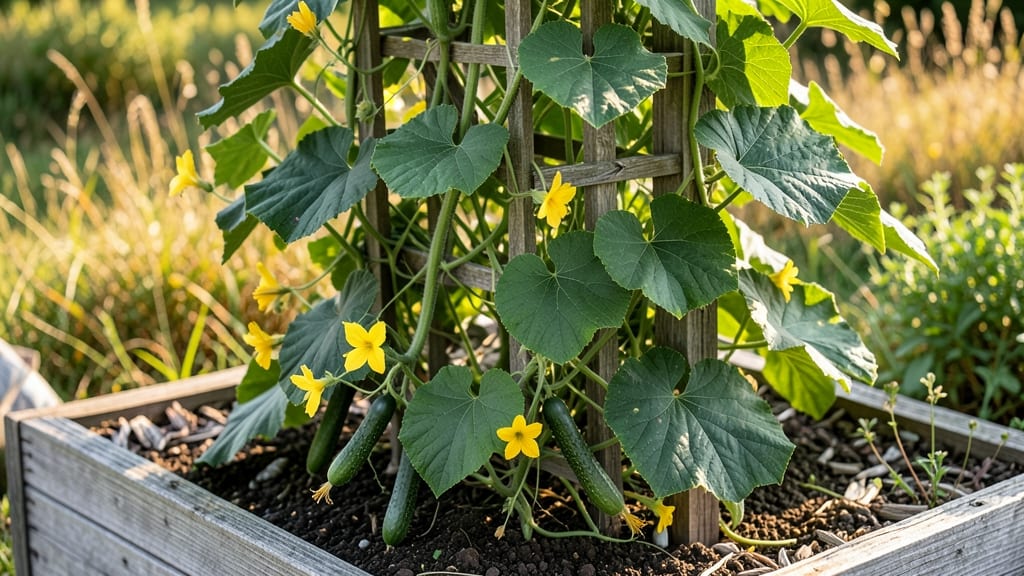
Those delicate cucumber vine flowers aren’t just pretty—they’re the secret to a bountiful harvest. 🌿 I’ve learned that healthy blooms mean more fruit, and the key starts with understanding how to coax your vines into flowering properly, whether they’re sprawling in the garden or confined in a greenhouse.
First, focus on soil and nutrients—cucumbers crave rich, well-draining soil with plenty of phosphorus to encourage flowering. A balanced fertilizer (like 5-10-10) applied at the base of the vine can work wonders, especially when vines start to run.
Water consistently but avoid soggy roots, which stress plants and stunt blooms.
Pollination is the next critical step. Outdoor plants rely on bees and butterflies, but greenhouse growers often need to hand-pollinate with a soft brush or cotton swab. A single flower pollinated well can turn into a 6-inch cucumber in just 60 days—so every bloom counts.
Troubleshooting poor flowering? Check for heat stress (cucumbers bolt in temps above 90°F) or nutrient deficiencies (yellowing leaves signal nitrogen issues, while purple stems mean phosphorus is lacking). With the right care, your vines will reward you with edible flowers and a harvest that’ll make your salads and cocktails unforgettable.
📚 In This Guide
- What you need
- Instructions
- Tips and common mistakes
- Wrapping up and next steps
What you need
- ● Cucumber seeds or seedlings: Choose a variety known for edible flowers, like Cucumis sativus (e.g., 'Lemon Cucumber' or 'Armenian Cucumber'). Start with 2–5 seeds or 3–4 seedlings for a small harvest.
- ● Containers or garden bed: Containers: 5–10 gallon pots with drainage holes (1–2 per plant).
- ● Garden bed: Well-draining soil in a sunny spot (6+ hours of sunlight daily).
- ● Potting mix: High-quality, organic soil blend (e.g., 50% potting soil + 50% compost). Avoid garden soil with pests.
- ● Fertilizer: Balanced organic fertilizer (10-10-10) or compost tea. Apply every 2–3 weeks once plants are established.
- ● Trellis or stakes: 4–6 foot tall trellis or bamboo stakes to support vines (cucumbers grow 6–12 feet).
- ● Watering can or hose: With a gentle spray nozzle to avoid damaging flowers.
- ● Pruning shears: For trimming vines and harvesting flowers.
- ● Edible flowers: Fresh cucumber blossoms (harvest in the morning after dew dries). Avoid flowers sprayed with pesticides—use organic cucumbers!
- ○ Optional garnishes: Microgreens or basil leaves.
- ● Lemon zest or edible flowers (e.g., nasturtiums) for color.
- ● Salad/cocktail base: For salads: Mixed greens, cucumber slices, feta, or goat cheese.
- ● For cocktails: Gin, vodka, or sparkling water + honey/sugar syrup.
- ● Garden gloves: To protect hands from prickly vines.
- ● Food-safe spray bottle: For lightly misting flowers to keep them fresh.
- ● Preserving supplies: If you want to dry or freeze flowers (e.g., silica gel or a dehydrator).
- ● Bees/pollinators: Invite them with a small water source—happy bees = more flowers!
How to grow and harvest edible cucumber vine flowers
Transform your garden into a source of delicate, flavorful blooms with this straightforward guide.
🌱 Step 1: Select and Prepare the Cucumber Vine
Start with a healthy cucumber vine (like 'Lemon Cucumber' or 'Bush Champion') that's producing flowers. Look for vines with 1-2 inch long tendrils—these indicate mature plants ready for blooms. I always choose vines with bright yellow or white flowers for the best flavor and presentation.
Morning is the best time to harvest flowers. You'll see them fully open, with petals spread wide and stamens visible. Use clean, sharp pruning shears to snip the stem just below the bloom. This prevents damaging the vine and encourages more flowers to develop.
☀️ Step 2: Harvest Flowers at Peak Freshness
Harvest flowers when they're fully open but before they wilt. You'll notice the petals are crisp and slightly glossy, not drooping. I like to pick them in the late morning when temperatures are mild—this preserves their delicate texture and flavor.
Gently twist the flower from the stem if it releases easily, or use your pruning shears for a clean cut. Avoid harvesting flowers that have darkened stamens or curling petals, as these indicate they're past their prime and may have a bitter taste.
💧 Step 3: Prepare Flowers for Immediate Use or Storage
Rinse the harvested flowers under cool, running water to remove any dirt or insects. Gently pat them dry with a paper towel—never use a cloth, as it can crush the delicate petals. I place them on a clean kitchen towel to air-dry for 10-15 minutes before using.
For short-term storage, place the flowers in a sealed container lined with a damp paper towel to retain moisture. Store them in the fridge for up to 3 days. If you're not using them immediately, you can also freeze the flowers by placing them on a baking sheet lined with parchment paper, freezing for 1 hour, then transferring them to a ziplock bag for up to 2 months.
🌿 Step 4: Incorporate Flowers into Your Culinary Creations
Use the flowers to garnish salads or top cocktails for a subtle, refreshing flavor. I like to add them to gazpacho or green salads for a crunchy, slightly peppery bite. For cocktails, muddle a few petals into gin-based drinks or sparkling lemonade—they add a delicate floral note that pairs beautifully with citrus.
For a more intense flavor, you can also infuse the petals into honey or simple syrup. Steep 1 cup of petals in 1 cup of hot honey for 24 hours, then strain and use the infused honey in dressings, marinades, or desserts. The result is a sweet, floral touch that elevates any dish.
⏰ Step 5: Encourage Continuous Flower Production
To keep your cucumber vine producing flowers, prune regularly by pinching off the tip of the main vine when it reaches 6-8 inches. This redirects the plant’s energy toward side shoots, which produce more flowers. I also side-dress with compost every 2 weeks to provide nutrients without overwhelming the plant.
Ensure your vine gets full sun (6-8 hours daily) and consistent moisture—1 inch of water per week is ideal. Mulch around the base to retain moisture and regulate soil temperature. With proper care, your cucumber vine will keep blooming all season long, giving you a steady supply of edible flowers for your kitchen.
Tips & tricks for perfect cucumber vine flowers
Here's what nobody tells you about harvesting and using these delicate edible blooms.
Timing is Everything: The 10-15 minute air-drying period after rinsing is crucial for preserving the petals' delicate structure. Spread them on a clean kitchen towel in a single layer—crowding can cause bruising. I've found that placing them near an open window with gentle airflow speeds up drying while preventing wilting.
Flower Selection: Focus on harvesting flowers with fully extended petals and vibrant color—these indicate peak flavor and texture. Avoid flowers with curled edges or darkened stamens, as these signs of aging lead to bitter flavors. I always harvest in the late morning when temperatures are mildest, which preserves their crisp texture.
Storage Wisdom: For short-term storage, the damp paper towel trick works wonders by maintaining moisture without sogginess. If freezing, the 1-hour spread on parchment paper prevents ice crystals from forming between petals. I've successfully stored flowers this way for up to 2 months without losing their delicate flavor profile.
Culinary Creativity: When infusing honey, use a ratio of 1 cup petals to 1 cup hot honey for optimal flavor extraction. The 24-hour steeping time allows the floral notes to fully develop. For cocktails, I recommend using 2-3 petals per drink—they add visual appeal without overpowering the flavor.
Pro Tips for Cucumber Vine Flower
- Here's what nobody tells you about harvesting and using these delicate edible blooms.
- Timing is Everything: The 10-15 minute air-drying period after rinsing is crucial for preserving the petals' delicate...
- Flower Selection: Focus on harvesting flowers with fully extended petals and vibrant color—these indicate peak flavor...
Frequently asked questions
Got questions about harvesting and using cucumber vine flowers? You’re not alone! Here are some of the most common queries—plus quick, practical answers to keep your kitchen (and cocktails) blooming with flavor.
Can you eat cucumber vine flowers raw?
These delicate blooms are edible and pack a mild, slightly sweet cucumber flavor—perfect for salads, garnishes, or cocktails. Just ensure they’re pesticide-free (organic is ideal) and rinse gently. Avoid flowers from heavily sprayed plants to stay safe.
When is the best time to pick cucumber vine flowers?
Harvest flowers in the morning after the dew dries but before the heat of the day. Look for fully open blooms with vibrant petals—these are the sweetest and most flavorful. Pick them early to encourage more production and prevent wilting.
How long do cucumber vine flowers last?
Fresh-picked flowers stay crisp for 1–2 days in the fridge, wrapped in a damp paper towel. For longer storage, blanch and freeze them (drop into boiling water for 10 seconds, then ice bath) to preserve color and flavor for up to 3 months. Thaw before using!
What if my cucumber vine flowers don’t open?
Several factors can prevent blooming: lack of sunlight (they need 6+ hours/day), over-fertilizing (stick to low-nitrogen feed), or stress (like drought or pests). Try moving the plant to a sunnier spot, pruning crowded vines, or hand-pollinating with a soft brush if needed.
Are there alternatives if I can’t grow cucumber vine flowers?
Yes! Try these edible flower swaps:
- Nasturtiums: Peppery, vibrant, and easy to grow.
- Violas: Sweet and mild, perfect for desserts.
- Borage: Cucumber-like flavor, star-shaped blooms.
- Calendula: Citrusy and petal-soft for garnishes.
Wrapping up and next steps
From elevating salads to adding a floral twist to cocktails, cucumber vine flowers are a game-changer for creative cooks! 🌸 Their mild, slightly sweet flavor and delicate beauty make them a fun and easy ingredient to experiment with.
Whether you're a seasoned chef or a kitchen newbie, these edible blooms are your ticket to bold, Instagram-worthy dishes—so grab those petals and start crafting!
Ready to dive deeper? Try pairing them with other edible flowers or explore recipes like infused oils or teas for even more flavorful adventures. Happy cooking! 🍽️✨