
Vegetables
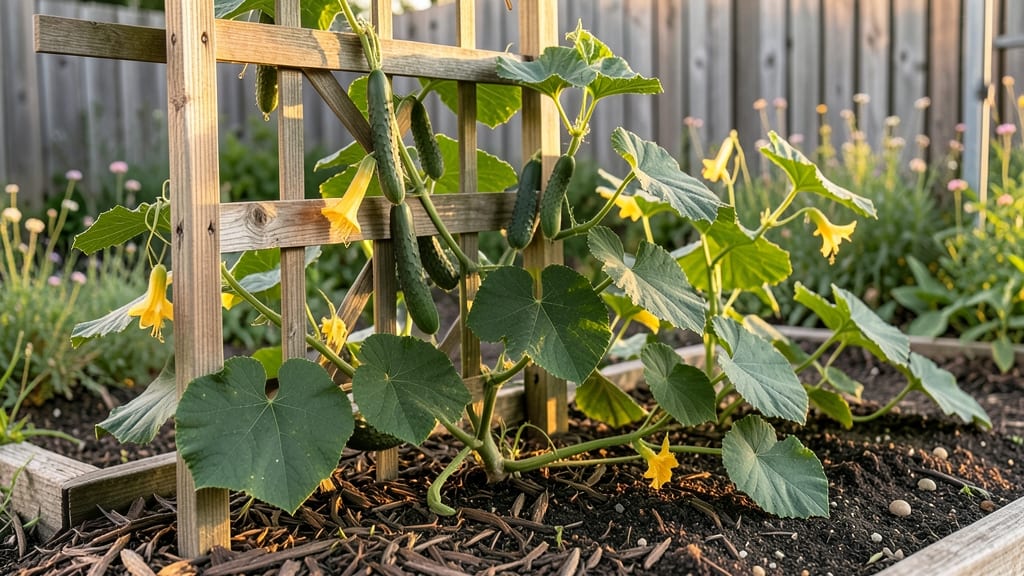
Cucumbers in Florida thrive year-round with heat-tolerant varieties like 'Straight Eight' or 'Marketmore 76,' planted in early spring or fall to avoid peak summer heat. Use well-draining soil, consistent moisture, and trellises for optimal yields.
Florida's warm climate actually makes it one of the best places for cucumber cultivation, but the key is choosing the right varieties and timing. 🌞 The state's humidity and heat can stress traditional cucumbers, so heat-resistant hybrids like 'Sweet Success' or 'Arkansas Little Leaf' perform best.
These varieties not only handle Florida's summers better but also produce more consistently throughout the year. The secret to success lies in planting during cooler transitions—spring and fall—when temperatures are more moderate, reducing stress on the plants and preventing common issues like powdery mildew.
Beyond variety selection, proper soil preparation and watering techniques are critical. Florida's sandy soils often need amendments like compost to retain moisture, while drip irrigation systems help maintain consistent soil dampness without overwatering.
I've found that mulching with straw or black plastic not only conserves water but also keeps the roots cooler during those scorching summer afternoons. Trellising isn't just for aesthetics—it improves air circulation and reduces disease risk, which is especially important in Florida's humid conditions.
💡 In This Article
- Top Florida-Friendly Cucumber Varieties for Heat and Humidity
- Florida Cucumber Planting and Care Calendar by Season
Top Florida-friendly cucumber varieties for heat and humidity
Florida's climate demands cucumber varieties that can withstand temperatures up to 95°F while resisting fungal diseases like powdery mildew. The best performers fall into two categories: parthenocarpic (seedless) hybrids like 'Sweet Success' and traditional seeded varieties such as 'Straight Eight'.
Parthenocarpic types produce fruit without pollination, making them ideal for Florida's unpredictable weather patterns where bees may be less active during heatwaves. 🌡️
'Marketmore 76' stands out as a disease-resistant powerhouse, developed specifically for southern climates. Its bush-type growth habit saves space while producing 10-15 pounds of cucumbers per plant in ideal conditions.
For trellis systems, 'Arkansas Little Leaf' excels with its compact vines and high yield of 3-4 inch fruit that stays crisp even in summer's peak.
The key difference between these varieties lies in their genetic resistance to cucumber mosaic virus and bacterial wilt - diseases that can devastate unprotected plants in Florida's humidity.
Flavor profiles vary significantly between varieties. 'Straight Eight' delivers that classic cucumber taste with crisp, 8-inch fruit perfect for pickling, while 'Sweet Success' offers a sweeter, milder flavor ideal for fresh eating.
What most gardeners don't realize is that Florida's heat actually intensifies the sugar content in these varieties when grown properly - the 12-14 hour daylight periods during summer accelerate photosynthesis, creating more flavorful fruit. The trade-off?
These heat-loving varieties often need 20-30% more water than northern varieties to maintain their quality.
Consider these key factors when choosing varieties for your Florida garden:
- Growth habit: Bush types (like 'Marketmore 76') save space but may need more frequent harvesting, while vining types (like 'Arkansas Little Leaf') produce continuously but require trellises
- Fruit size: Smaller varieties (3-4 inch) like 'Little Leaf' are less prone to sunscald in Florida's intense sunlight
- Disease package: Look for varieties labeled "MR" (mosaic resistant) or "BW" (bacterial wilt resistant) - these are non-negotiable in Florida
The most successful Florida cucumber growers I've worked with plant a mix of both types - using bush varieties for early spring/fall plantings when space is limited, and vining types for summer production when they can utilize trellises.
This strategy maximizes yield while minimizing disease pressure by creating better air circulation around the plants. The secret weapon? Starting seeds indoors 4-6 weeks before outdoor planting to give them a head start against Florida's rapid heat buildup.
What truly sets Florida-adapted varieties apart is their ability to continue producing through the state's 90-day growing season**. While northern varieties often bolt (flower prematurely) when daytime temperatures exceed 85°F, Florida's best performers maintain production until nighttime temperatures drop below 70°F.
This extended harvest window means you can enjoy fresh cucumbers from late winter through early fall with proper variety selection.