
Light Requirements
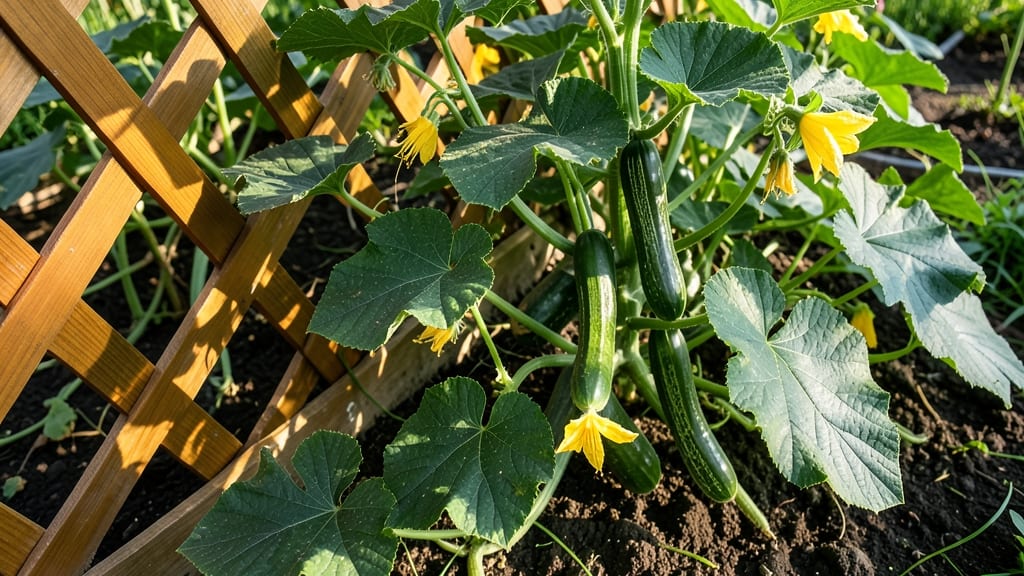
Cucumbers thrive in full sun or shade with the right balance—6 to 8 hours of direct light daily is the sweet spot for crisp, productive plants 🥒.
Struggling to decide whether your cucumber plants need blazing sun or dappled shade? Get it wrong, and you’ll end up with bitter fruit—or worse, no harvest at all. The truth lies in a delicate balance that most gardeners overlook.
In Zone 6, where spring planting kicks off in April, cucumbers crave warmth and light, but too much scorching sun can stress vines. Meanwhile, partial shade in hot afternoons helps prevent sunscald, especially in containers where roots can’t regulate temperature.
Below, I break down how to position your cucumbers for success—whether you’re trellising them in a sunny border or coaxing harvests from a shadier corner of the garden.

Ideal sunlight requirements for cucumbers: full sun vs. partial shade breakdown
Cucumbers thrive under full sun but can tolerate partial shade—if you understand the trade-offs. While 6-8 hours of direct sunlight produces the sweetest, crispest fruit, too much heat or insufficient light can turn your harvest into a bitter disappointment.
The key lies in adjusting exposure based on your cucumber variety and growth stage.
For example, bush cucumbers (like 'Bush Champion') handle partial shade better than sprawling vining types (like 'Straight Eight'). Meanwhile, seedlings need gentle shade to prevent scorching, while fruiting vines demand maximum sun for sugar development. Let’s break down the ideal conditions and how to optimize them for your garden.
| Growth Stage | Sunlight Needs | Optimal Hours | Shade Tolerance | Signs of Stress |
|---|---|---|---|---|
| Seedlings | Partial shade | 3-4 hours | High (use shade cloth) | Yellowing leaves, stunted growth |
| Established Vines | Full sun | 6-8+ hours | Low (max 30% shade) | Pale leaves, weak stems |
| Fruiting Plants | Full sun | 8+ hours | None (bitter fruit risk) | Small, misshapen cucumbers |
| Hot Climates | Partial shade (afternoon) | 4-6 hours direct | Moderate (30-50% shade) | Wilting, sunburn spots |
| Container Grown | Full sun | 6-8 hours | Low (rotate pots) | Root-bound stress |
During the seedling stage, cucumbers are delicate and need protection from intense midday sun. I start mine under 30-50% shade cloth or in a spot with dappled shade from nearby trees.
This prevents leaf scorch while still allowing enough light for photosynthesis. Once seedlings develop 2-3 true leaves, I gradually acclimate them to more sun over 7-10 days to avoid shock.
For mature vines, full sun exposure (6-8+ hours) is non-negotiable if you want high yields and sweet flavor. In my Zone 7 garden, I position cucumbers on the south or west side of the garden to capture morning sun and afternoon light.
If your area gets intense afternoon heat (like 90°F+), use lightweight shade cloth (30%) during peak hours to prevent heat stress.
One common mistake is assuming all shade is equal. East-facing shade (morning sun) is far better than west-facing shade (afternoon heat). I once placed cucumbers under a
How to adjust light conditions for cucumbers in different climates
Cucumbers thrive in full sun, but their exact light needs vary dramatically depending on your climate. In hot, dry regions, too much direct sun can scorch leaves and reduce yields, while humid climates often require afternoon shade to prevent fungal diseases.
Even high-altitude gardens face unique challenges with intense UV exposure and cooler temperatures. The key is adapting your approach to match local conditions without sacrificing productivity.
Start by assessing your microclimate. A south-facing garden in Arizona will need completely different strategies than one in the Pacific Northwest. For example, shade cloth can be a game-changer in desert areas, while companion planting with taller crops might provide natural shade in cooler zones.
Let's break down practical solutions tailored to your specific growing environment.
For hot, arid climates, I recommend starting with 30% shade cloth and adjusting based on plant response. Watch for yellowing leaves (sign of too much sun) or stunted growth (sign of insufficient light).
In humid zones, focus on air circulation—prune aggressively to create space between vines and avoid overhead watering after 10 AM to prevent fungal issues.
High-altitude gardens often struggle with intense UV radiation and cooler temperatures. Here, I've had success using reflective mulches combined with black plastic ground covers to warm soil while protecting leaves.
For container cucumbers, switch to partial shade when daytime temperatures exceed 90°F (32°C), moving pots to dappled light areas.
Don't overlook the power of companion planting to naturally regulate light exposure. For example, planting bush beans near cucumbers creates a living shade structure while improving soil nitrogen. Always monitor your plants' leaf color and growth rate—these are the best indicators of whether your light adjustments are working.
A healthy cucumber plant should have deep green leaves and rapid vine growth.
Remember that light needs change throughout the growing season. What works in June's scorching heat may not suit September's cooler mornings. Stay flexible and adjust your shade strategies as temperatures shift. With the right approach, you can grow crisp, productive cucumbers in almost any climate! 🌱🌿