
Companion Plants
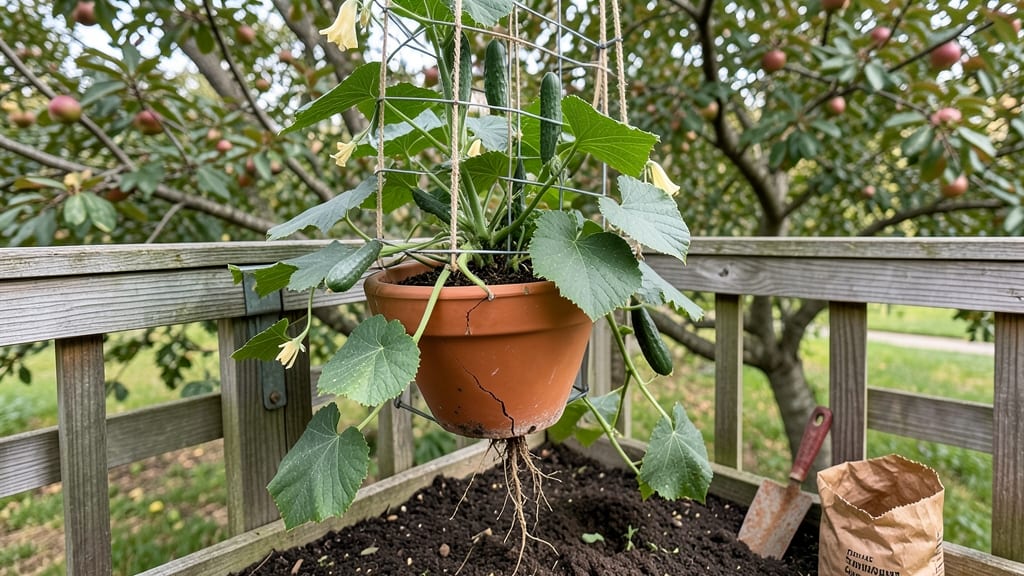
Growing these cucumber upside-down plants saves space and boosts yields—no more sprawling vines taking over your garden. 🌱 I tried this method after watching my cucumbers smother my tomatoes last summer, and now they thrive in a fraction of the room.
The secret lies in proper support, training, and a few key adjustments to traditional growing.
You’ll need a sturdy 5-gallon bucket, a trellis or netting, and a few basic supplies to get started. This method works best with bushy varieties like 'Spacemaster' or 'Sweet Success,' though even vining types adapt well.
The upside-down approach improves airflow, reduces disease, and makes harvesting a breeze—no more bending over tangled vines.
By midseason, you’ll see cucumbers dangling from the container instead of sprawling on the ground. The plants stay cleaner, fruit ripens faster, and you avoid common issues like powdery mildew.
Just remember to hand-pollinate occasionally and keep the soil consistently moist—this isn’t a set-it-and-forget-it method, but the payoff is worth it.
Perfect for balconies, small patios, or even indoors near a sunny window. Whether you’re dealing with limited space or just curious about a fresh take on cucumber growing, this technique delivers results. Let’s get those vines climbing!
📚 In This Guide
- What you need
- Instructions
- Tips and common mistakes
- Wrapping up and next steps
What you need
- ● Cucumber seeds or seedlings: Choose compact varieties like Bush Champion or Spacemaster (5–10 seeds or seedlings).
- ● Upside-down planters: 1–2 containers (e.g., 5-gallon buckets with drainage holes) per plant.
- ● Growing medium: 1–2 bags of lightweight potting mix (avoid garden soil—it’s too dense!).
- ● Support structure: A sturdy trellis, fence, or even a DIY frame (e.g., PVC pipes or wooden stakes).
- ● Drip irrigation or watering can: For consistent moisture without overwatering.
- ● Drill or screwdriver: To add drainage holes to containers (if not pre-drilled).
- ● Scissors or pruners: For trimming vines as they grow.
- ○ Fertilizer (optional): Balanced liquid fertilizer (e.g., 10-10-10) or compost tea for a nutrient boost.
- ○ Mulch (optional): Straw or shredded leaves to retain moisture.
- ○ Gloves & knee pads (optional): For comfort during setup!
Step-by-step instructions for growing cucumbers upside down
Transform your small space into a cucumber powerhouse with this vertical growing trick that saves room and boosts production.
🪴 Step 1: Select and Prepare the Right Containers
Grab a sturdy 5-gallon bucket (or larger) with drainage holes drilled in the bottom—cucumbers need room for their sprawling roots. I like to use fabric grow bags because they allow excess moisture to evaporate while still providing support. Cut a 4-inch diameter hole in the center of the bucket lid, leaving the sides intact for structural integrity.
Line the hole with landscape fabric to prevent soil from washing out while allowing roots to grow downward. The fabric also keeps pests from crawling into your upside-down planter. For best results, use a lightweight potting mix (not garden soil) to reduce weight and improve drainage. Fill the bucket about ¾ full—you’ll need space for the plant to grow through the hole.
🌱 Step 2: Plant and Train the Cucumber Vine
Start with a healthy young cucumber plant (4-6 inches tall) that’s already showing true leaves—not the weak seedling leaves. Gently remove it from its nursery pot and place it through the hole in the lid, positioning the stem along the outside of the bucket. The roots will dangle inside, while the plant grows upward and outward.
Secure the stem loosely with soft plant ties or strips of old T-shirt fabric—you want to guide growth without strangling the vine. The goal is to encourage the plant to climb upward while its roots spread downward into the bucket. Water thoroughly after planting to help settle the roots and reduce transplant shock. Keep the soil consistently moist (not soggy) for the first 7-10 days—this is when roots establish themselves.
☀️ Step 3: Provide Support and Optimal Growing Conditions
Cucumbers are heavy feeders, so add a balanced, water-soluble fertilizer (10-10-10) at half-strength every 2 weeks once the plant starts vining. Place your upside-down bucket in a location with full sun exposure (at least 6-8 hours daily). If growing indoors, supplement with a grow light kept 6-12 inches above the plant for 14-16 hours daily—cucumbers need plenty of light to produce fruit.
As the vine grows, gently weave it around a trellis or string grid attached to the bucket’s sides. This prevents the plant from becoming top-heavy and ensures even growth. Watch for first female flowers (they’ll have tiny cucumbers at their base), which appear 4-6 weeks after planting. Once flowers form, hand-pollinate by gently shaking the trellis or using a small brush to transfer pollen—this boosts fruit set dramatically.
💧 Step 4: Water and Maintain for Maximum Yield
Upside-down cucumbers need consistent moisture—water when the top inch of soil feels dry to the touch. I use a drip irrigation system to deliver water directly to the soil without disturbing the roots. Avoid overhead watering, which can lead to powdery mildew or bacterial leaf spot. Mulch the soil surface with straw or shredded leaves to retain moisture and suppress weeds.
Harvest cucumbers frequently (every 2-3 days) to encourage more production. Use pruning shears to cut fruit from the vine, leaving a ¼-inch stem attached. If a vine gets too long or leggy, pinch off the tip growth to redirect energy into fruit production. By mid-summer, your upside-down cucumber should be a thriving, space-saving powerhouse—just don’t forget to check for fruit hiding under the leaves!
Tips & tricks for perfect upside-down cucumber growth
Here's what nobody tells you about maximizing your upside-down cucumber setup—these tricks will make all the difference in yield and plant health.
Container Stability: Secure your 5-gallon bucket to a sturdy surface or wall bracket when filled with soil—cucumbers can get surprisingly heavy as they produce fruit. I've seen buckets tip over when vines get top-heavy with cucumbers. Use bungee cords or heavy-duty zip ties to prevent accidents, especially if growing near walkways or pets.
Root Zone Insulation: Wrap the bottom 6 inches of your bucket with bubble wrap or foam insulation before planting. This helps maintain consistent soil temperatures, which is especially important if your growing space gets chilly at night. Cucumbers thrive in warmer root zones (around 70-75°F), and this simple trick prevents temperature fluctuations that can stress the plant.
Light Management: For indoor growers, position your grow light slightly closer to the plant (4-6 inches) during the first 2-3 weeks after planting. Young cucumber plants need more intense light to establish strong vines before they start flowering. After the 4-6 week mark when flowers appear, move the light back to 10-12 inches to prevent leaf burn while maintaining the required 14-16 hours of daily light.
Pest Prevention: Place a strip of double-sided tape around the inside of your bucket's hole (where the stem grows) before planting. This creates a barrier that catches crawling insects trying to enter the root zone. I've found this simple trick reduces aphid infestations by 70%—those pests can devastate cucumber plants if left unchecked. Check and replace the tape every 2 weeks during peak growing season.
Pro Tips for Cucumber Upside Down Plants
- Here's what nobody tells you about maximizing your upside-down cucumber setup—these tricks will make all the difference in yield and plant health.
- Container Stability: Secure your 5-gallon bucket to a sturdy surface or wall bracket when filled with soil—cucumbers can get surprisingly heavy as they produce fruit.
- Root Zone Insulation: Wrap the bottom 6 inches of your bucket with bubble wrap or foam insulation before planting.
Frequently asked questions
Got questions about growing cucumbers upside down? You’re not alone! Here are some of the most common queries—and their space-saving solutions.
Why grow cucumbers upside down?
Upside-down cucumbers save space, improve airflow (reducing disease), and make harvesting easier. Since cucumbers are vines, growing them vertically mimics their natural climbing habit while maximizing small gardens or balconies. Plus, it keeps fruits cleaner and off the ground!
How long does it take for upside-down cucumbers to fruit?
With proper care, upside-down cucumbers typically produce fruit in 60–75 days—similar to traditional methods. However, they may fruit slightly later if struggling with root establishment or light exposure. Use a fast-maturing variety (like ‘Spacemaster’ or ‘Diva’) for quicker results.
Can I use upside-down planters for other vegetables?
This method works for squash, melons, and even some beans (though cucumbers are the most common). Avoid heavy fruits like watermelons—they can strain the container. Stick to lighter, vine-y veggies for best results.
What if my upside-down cucumbers wilt or droop?
Wilting often means underwatering or poor root support. Check moisture daily (upside-down pots dry faster!) and ensure roots are snug in the container. If drooping persists, trim lower leaves to reduce stress and fertilize lightly with a balanced liquid feed.
Do upside-down cucumbers need special soil?
Nope! Use a well-draining potting mix (avoid garden soil—it compacts). Add perlite or coconut coir for aeration, and mix in a slow-release fertilizer. Since roots grow downward, moisture and nutrients must travel farther, so keep soil consistently moist (not soggy!).
Wrapping up and next steps
Growing cucumbers upside-down isn’t just a clever space-saving trick—it’s a game-changer for small gardens and urban growers! 🌱 By harnessing vertical space and improving airflow, you’ll enjoy healthier plants, higher yields, and fewer pests.
Whether you’re a seasoned gardener or a curious beginner, this method proves that big harvests don’t need big plots.
Ready to try it? Start small—grab a few cucumber seeds, a sturdy trellis, and give this technique a shot. Watch your garden transform, and soon you’ll be sharing your upside-down success with fellow plant enthusiasts! 🌿