
Size
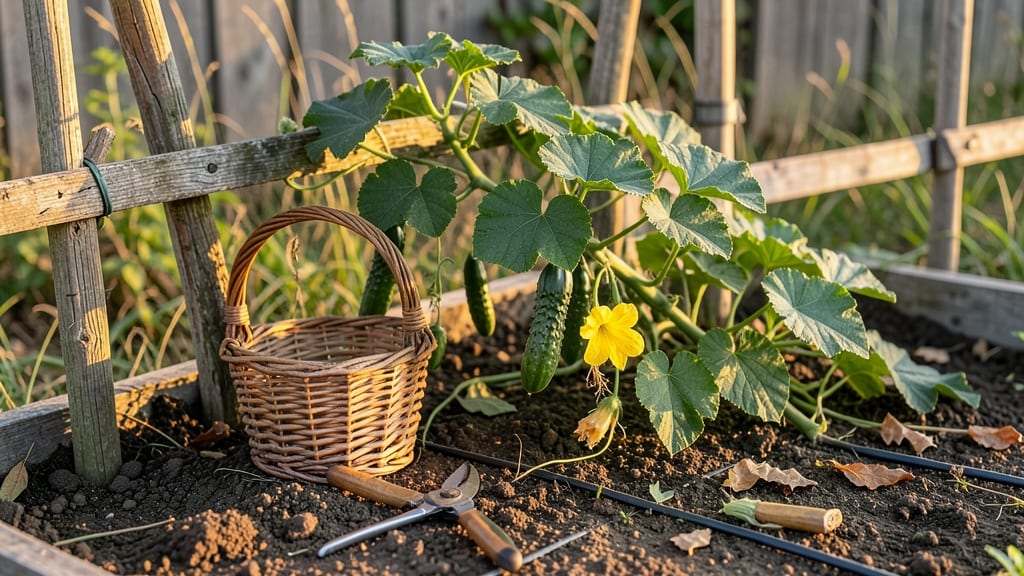
Pickling cucumbers at the right size—between 2 and 4 inches long—is the secret to crisp, tangy results every time.
Picture this: you’ve spent weeks tending to your 🥒 plants, only to pull a batch that’s either too small and bland or too big and mushy. The difference between perfect pickles and disappointment often comes down to timing.
Too early, and the flavor isn’t developed; too late, and the texture turns to mush.
In this guide, I’ll break down the ideal cucumber size for pickling, when to harvest for peak flavor, and how to pick varieties like Boston Pickling or National Pickling that stay consistent.
You’ll also learn how to spot the perfect moment to harvest—before the seeds get too big or the skin toughens.
By the end, you’ll know exactly when to reach for those cucumbers so your next batch of pickles turns out crisp, flavorful, and just the right size.


Optimal cucumber size for pickling: lengths, diameters, and varieties
If you’ve ever opened a jar of homemade pickles only to find them mushy or bland, the issue likely started in the garden—not the brine. The size of your cucumbers at harvest determines whether your pickles stay crisp and tangy or turn into a sad, waterlogged mess.
For ideal pickling, aim for cucumbers that are 3–6 inches long and 1–2 inches in diameter. This range ensures the perfect balance of texture, flavor, and seed development for jarred goodness.
Not all cucumbers are created equal when it comes to pickling. Pickling varieties like Boston Pickling, National Pickling, and Little Leaf are bred specifically for small size and thick skins, which hold up better during the fermentation process.
These varieties also tend to have fewer seeds, reducing bitterness in your final product. If you’re growing slicing cucumbers like Marketmore or Straight Eight, you’ll need to harvest them earlier and smaller to meet pickling standards.
The diameter of your cucumber matters just as much as its length. A cucumber that’s too thick (over 2 inches) will have a woody core and large seeds, which can make your pickles chewy or bitter.
On the flip side, cucumbers that are too thin (under 1 inch) may not have fully developed flavor compounds, resulting in bland pickles. The sweet spot of 1–2 inches in diameter ensures a crisp bite with a balanced taste.
Why does size affect texture so dramatically? Smaller cucumbers have thinner cell walls, which break down more evenly during fermentation. Their high water content also means they absorb the brine more uniformly, preventing the soggy centers that plague overripe pickles.
Think of it like this: a 3-inch cucumber is like a tender green apple—firm but yielding, while a 6-inch cucumber is more like a zucchini, dense and seedy. Neither is ideal for pickling!
For consistent sizing, I recommend harvesting your cucumbers every 2–3 days during peak production
When to harvest cucumbers for pickling: signs of perfect ripeness
Harvesting cucumbers at the right moment transforms your pickling batch from soggy to crisp. For pickling varieties like Boston Pickling or National Pickling, timing is everything—wait too long, and you’ll end up with seedy, bitter cucumbers.
The key is catching them when they’re 1–3 inches long, with a few other telltale signs. Let’s break down how to spot the perfect pickling cucumber in your garden.
Start by checking the length first—this is your best indicator. A pickling cucumber should be no longer than 3 inches (about the size of a standard AA battery). If it’s already 4 inches or more, it’s past its prime for pickling.
Next, look for a bright, even green color—no yellowing or dull patches. These visual cues pair with a firm but slightly yielding skin when gently squeezed.
Don’t overlook the stem separation trick—this is a game-changer for busy gardeners. Gently twist the cucumber at its base; if it snaps cleanly without resistance, it’s ready. If the stem resists or tears, wait another day.
This method works especially well for bush varieties like Little Leaf, where cucumbers can hide among foliage. Pair this with a quick visual scan for small bumps (future seeds)—if they’re barely visible, you’ve nailed the timing.
Common mistakes can derail your pickling plans. Harvesting underripe cucumbers (smaller than 1 inch) results in bland, rubbery pickles, while overripe ones (4+ inches) turn seedy and bitter. To avoid uneven sizes, check your plants every 2–3 days during peak harvest season (July–September in most zones).
Use a small harvest basket lined with a towel to prevent bruising—gentle handling preserves that crisp texture you’re after.
For consistent sizing, focus on pickling-specific varieties like National Pickling or Calypso. These are bred to stay small and produce abundantly. If you’re growing slicing cucumbers (like Straight Eight) by mistake, they’ll outgrow your pickling needs fast.
Prune excess leaves near the base of the plant to improve airflow and direct energy to fruit production—this helps cucumbers mature uniformly.
Once you’ve mastered the art of harvesting at the right size, your pickling game will never be the same. Keep a small notebook by your garden gate to track harvest dates and sizes—this helps you refine your timing each season.
And remember: the smaller the cucumber, the crispier the pickle. With these signs in mind, you’ll be well on your way to jar after jar of perfectly tangy homemade pickles. 🌱