
How To
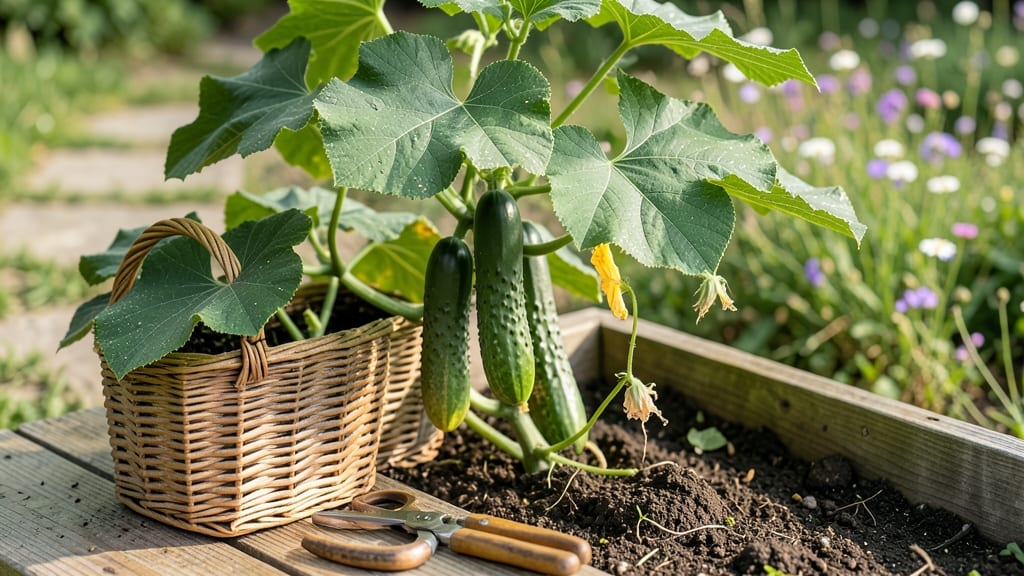
To know when your cucumbers are ready to harvest, watch for three key signals: size, color, and texture—because missing that window turns crisp fruit into bitter, seedy disappointments.
Picture this: you’ve been waiting weeks for your first 🥒 harvest, only to pull a cucumber that’s either rock-hard or mushy. The difference between those extremes lies in those three simple checks—and they’re easier than you think.
Slicing cucumbers should be 6–8 inches long, with deep, even color and a slight give when pressed. Pickling varieties are ready smaller (2–4 inches), while heirlooms can wait longer.
Overlook these cues, and you’ll end up with cucumbers that taste like water or, worse, turn to pulp before you use them.
In this guide, I’ll break down the exact size ranges, color shifts, and texture tests for each type—plus the one common mistake that ruins even the best cucumbers. Ready to harvest like a pro? Let’s go.


Cucumber size guide: exact inches for peak ripeness
Harvesting cucumbers at the right size ensures maximum flavor and texture. Most gardeners focus on length, but the ideal harvest window varies dramatically by variety. Slicing cucumbers, for example, should be picked at 6-8 inches, while heirloom varieties often reach 10-12 inches for peak sweetness.
Understanding these size benchmarks prevents overgrowth, which leads to seedy, bitter fruit.
To measure accurately, use a ruler or tape measure along the cucumber's longest axis, excluding the stem. Always check the blossom end (opposite the stem) for color changes—yellowing indicates ripeness. For pickling cucumbers, harvest when they're just 2-3 inches, as they won’t grow much larger once ripe.
Here’s a quick reference for variety-specific sizes to keep your harvest at its best:
| Variety Type | Ideal Harvest Size (inches) | Key Visual Cues | Best For |
|---|---|---|---|
| Slicing (e.g., 'Straight Eight', 'Marketmore') | 6–8 inches | Deep green, firm skin, yellowed blossom end | Salads, sandwiches, fresh eating |
| Pickling (e.g., 'Boston Pickling', 'Little Leaf') | 2–3 inches | Bright green, bumpy skin, crisp texture | Pickles, relish, fermenting |
| Heirloom (e.g., 'Lemon Cucumber', 'Armenian') | 8–12 inches | Vibrant color (yellow, white, or striped), thick skin | Gourmet dishes, preserving |
| Bush (e.g., 'Bush Champion', 'Spacemaster') | 5–7 inches | Compact shape, uniform color, firm ribs | Container gardening, small spaces |
For slicing cucumbers, aim for 6-8 inches—any longer, and the seeds become noticeable. These varieties are bred for tenderness, so harvest daily during peak production to encourage more flowers.
If you miss the window, the cucumber will turn yellow and develop a woody texture, ruining its culinary quality.
Heirloom cucumbers, like 'Lemon Cucumber' or 'Armenian', often need more time to mature. Wait until they reach 10-12 inches and develop their signature color (yellow, white, or striped). These varieties are prized for their sweet, complex flavors, so patience pays off.
Always check the skin texture—it should be thick and slightly waxy, not thin or papery.
One common mistake is waiting too long for pickling cucumbers. These tiny varieties (2-3 inches) lose their crispness if left on the vine. Harvest them when they’re bright green and firm, even if they’re smaller than expected.
Overripe pickling cucumbers become bitter and seedy, making them unusable for fermentation.
Pro tip: Use a small pruning shears to snip cucumbers cleanly, leaving a 1-inch stem attached. This prevents damage to the vine and reduces disease risk. Always harvest in the morning when cucumbers are at their crispest. Avoid harvesting after rain, as moisture can spread fungal diseases like powdery mildew.
If you’re growing bush cucumbers, stick to the 5-7 inch range. These compact varieties are perfect for containers or small gardens, but they produce best when harvested frequently. Unlike vining types, bush cucumbers don’t tolerate overgrowth well—they’ll stop producing flowers if left unchecked.
For seed-saving purposes, let a few cucumbers grow past their ideal size until they turn yellow and soften. These overripe cucumbers will yield the best seeds, but they’re inedible. Save them for drying or planting next season’s crop.
Color and texture clues: what to look for beyond size
Don’t rely on size alone—cucumber color and skin texture reveal far more about ripeness than you might think. A deep green hue with no yellowing at the blossom end (the stem end) signals peak freshness for slicing varieties.
Meanwhile, heirloom cucumbers often develop subtle striped patterns or darker green tones when ready, so check your variety’s ideal color cues.
Gently press your thumb into the cucumber’s skin—firmness matters. A slight give (like pressing a ripe avocado) means it’s perfect for eating fresh. If the skin feels hard or rubbery, it’s underripe.
On the flip side, soft spots or wrinkled skin scream overripe, leading to bitter, seedy cucumbers that’ll ruin your salad.
🚨
⚠️ Common Mistake Alert: Harvesting by Stem Color Alone
Many gardeners assume a yellowed blossom end means instant harvest—but not always! For pickling cucumbers, harvest when still bright green and 6-8 inches long, even if the stem end starts yellowing. Overripe pickles turn bitter and lose their crunch. Slicing varieties, however, can tolerate a slightly yellowed end while staying crisp.
Pay attention to the stem’s attachment point. When a cucumber’s stem snaps easily with a slight bend (not a tug), it’s a telltale sign of maturity. This method works even for bush varieties, which often hide their ripeness behind dense foliage.
Pro tip: Harvest in the morning when cucumbers are coolest—this ensures the best flavor and texture.
Another pro move? Check the seeds. Cut a cucumber lengthwise—if the skin peels away cleanly from the seed cavity and the seeds are small and white, it’s prime time.
Large, dark seeds mean it’s past its peak. Heirloom varieties like ‘Lemon Cucumber’ or ‘Straight Eight’ often have larger seeds even when ripe, so adjust your expectations based on the type you’re growing.
Watch for bloom development too. If your cucumber plant is producing more flowers than fruit, it’s likely struggling with pollination.
In this case, harvest any existing cucumbers as soon as they reach half-size to encourage more production. Female flowers (with tiny cucumbers at their base) will yield fruit faster than male flowers, so focus on those first.
Finally, avoid harvesting in the heat of the day. Cucumbers wilt quickly under midday sun, making them appear overripe when they’re not. Always pick in the shade or early morning, and store them in the fridge to maintain crispness.
With these color and texture cues mastered, you’ll never second-guess your harvest timing again!