
Vegetables
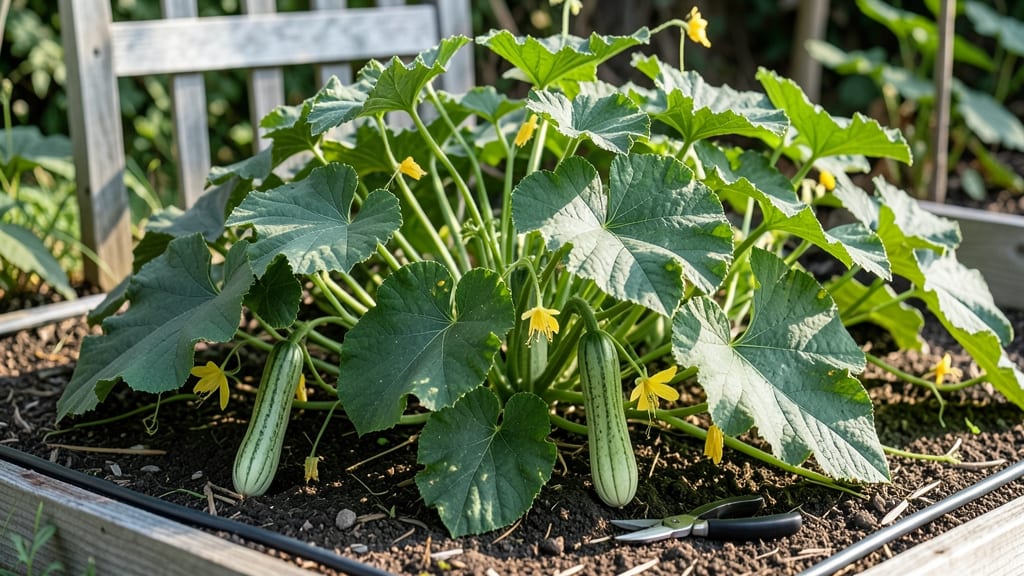
Growing green apple cucumbers on a trellis means sweet, crisp fruit in just 55 days—and I’ve learned the exact tricks to make them thrive. 🌱 These aren’t your average cucumbers; their bright green skin and tangy, apple-like flavor make them a garden standout, but they need the right conditions to shine.
Start with well-draining soil and a sunny spot (at least 6-8 hours of sun daily), then train vines up a 4-6 foot trellis—this saves space and keeps fruit clean.
The key is consistent watering (about 1 inch per week) and regular pruning to encourage upward growth, not sprawling vines. By mid-summer, you’ll be harvesting 10-12 inch cucumbers with that signature crisp snap. The flavor?
A refreshing cross between cucumber and green apple, perfect for salads or snacking straight from the vine. And because they’re disease-resistant, you’ll spend less time fighting pests and more time enjoying the harvest.
Works in containers too if you have a sturdy trellis, and they’re great for small spaces or urban gardens. Let’s get those vines climbing!
📚 In This Guide
- What you need
- Instructions
- Tips and common mistakes
- Wrapping up and next steps
What you need
- ● Seeds: Green Apple cucumber seeds (e.g., ‘Green Apple, ‘Sweet Success, or ‘Straight Eight’) – 3–5 seeds per plant (or 1 seed per cell if starting indoors).
- ● Growing Medium: Potting mix or seed-starting soil (sterile, well-draining) – 1–2 gallons per seedling (if starting indoors).
- ● OR Garden soil amended with compost (pH 6.0–6.8) – 10–12 inches deep for in-ground planting.
- ○ Containers (Optional but Helpful): 5-gallon fabric pots, grow bags, or large containers (with drainage holes) – 1 per plant (if not in-ground).
- ● Support System: Trellis, bamboo stakes, or A-frame cages – 4–6 feet tall (cucumbers vine aggressively!).
- ● Tools: Hand trowel or small shovel
- ○ Garden gloves (optional but recommended!)
- ● Pruning shears (for trimming later)
- ● Watering can or hose with adjustable nozzle
- ● Sunlight: Full sun (6–8+ hours daily) – no shade allowed!
- ● Water: Consistent moisture (1–2 inches per week); drip irrigation or soaker hoses work best.
- ● Warmth: Soil temp should be at least 60°F (15°C) for germination.
- ○ Fertilizer (Optional): Balanced organic fertilizer (e.g., 5-5-5) or compost tea – apply at planting and mid-season.
Step-by-step guide to growing green apple cucumbers vertically
Here’s how to coax those crisp, sweet cucumbers up a trellis in just 55 days—no sprawling vines, no wasted space.
🌱 Step 1: Select and Prepare Your Growing Site
Green apple cucumbers thrive in full sun (6-8 hours daily) and warm soil. Choose a spot where temperatures stay above 60°F—they won’t germinate in cold soil. If planting in containers, use a 5-gallon pot per plant for proper root development. Amend the soil with compost to improve drainage; these cucumbers hate soggy roots.
I always test the soil pH before planting—aim for 6.0-6.8. Too acidic, and the plants struggle to absorb nutrients. A simple soil test kit (available at garden centers) takes the guesswork out. Work in a handful of balanced fertilizer (like 10-10-10) into the top 6 inches of soil to give your cucumbers a nutrient boost from day one.
☀️ Step 2: Plant Seeds or Transplants at the Right Time
Start seeds indoors 3-4 weeks before your last frost date, or sow directly in the ground after all danger of frost has passed and soil reaches 70°F. Plant seeds ½ inch deep, spacing them 2 inches apart in rows 3-4 feet apart—this gives vines room to spread before training them upward. If using transplants, bury them just as deep as they were in their nursery pots to encourage strong root growth.
Here’s the thing—cucumbers are sensitive to temperature swings. If nights dip below 55°F, cover seedlings with row fabric until soil warms. You’ll know they’re happy when the first true leaves appear (those are the second set after the initial seed leaves). That’s your cue to start watering consistently at the soil level, not the leaves, to prevent fungal diseases like powdery mildew.
🪴 Step 3: Install Trellis and Train Vines Early
Set up your trellis or cage before planting—cucumbers grow fast, and you’ll regret waiting. I use a 6-foot-tall bamboo trellis for my green apple variety because it’s sturdy enough to support the weight of mature vines and fruit. Drive stakes 12 inches deep into the ground and attach horizontal strings or netting every 12-18 inches up the trellis for vines to climb.
Once seedlings are 4-5 inches tall with 3-4 true leaves, gently weave the main vine onto the trellis. Don’t force it—let the vine curl naturally around the support. As side shoots appear, pinch them off to redirect the plant’s energy into the main stem and fruit production. This might feel counterintuitive, but it’s what keeps your cucumbers producing instead of putting all their effort into foliage.
💧 Step 4: Water and Fertilize for Maximum Yield
Cucumbers need 1-2 inches of water weekly, but consistency is key—let the top 2 inches of soil dry out between waterings to prevent blossom-end rot. Water at the base in the morning so foliage dries quickly, reducing disease risk. I use a soaker hose for this step because it delivers water right to the roots without wetting the leaves.
Feed your plants every 2-3 weeks with a liquid fertilizer high in potassium (like 0-10-10) to encourage fruiting. Stop fertilizing 2 weeks before harvest—too much nitrogen at the end of the season leads to leafy growth instead of cucumbers. You’ll know you’re on the right track when vines are climbing steadily and flowers appear within 4-6 weeks after planting.
✂️ Step 5: Prune and Harvest for Continuous Production
Green apple cucumbers produce best when you prune aggressively. Remove any leaves that touch the ground or block airflow—this keeps the plant healthy and reduces pests. When fruit forms, thin clusters to 1-2 cucumbers per vine to ensure they grow large and sweet. Harvest when cucumbers reach 6-8 inches long—they’ll turn bitter if left on the vine too long.
Here’s a pro tip: Use pruning shears to cut stems just above a leaf node when harvesting. This encourages the plant to produce more fruit from that spot. Pick cucumbers every 2-3 days during peak production to keep the plant focused on making more. You’ll know you’re doing it right when the vine keeps sending out new flowers and the trellis stays laden with fruit.
Tips & tricks for pole-trained green apple cucumbers
Transforming sprawling cucumber vines into vertical productivity takes a few key strategies—here's how to maximize your 55-day harvest without the chaos.
The Sunlight Secret: Those 6-8 hours of daily sunlight are non-negotiable, but quality matters more than quantity. Position your trellis to capture morning sun (when UV intensity is lower) and afternoon shade if your climate gets scorching. I've seen cucumbers bolt when exposed to intense midday sun—watch for yellowing leaves as an early warning sign. A lightweight shade cloth (30% coverage) during peak summer hours can prevent heat stress while still allowing plenty of light.
Trellis Stability: Your 6-foot-tall bamboo trellis needs to handle more than just vines—think about the weight of 6-8 inch cucumbers. I reinforce mine with additional stakes at a 45-degree angle from the main support, creating a diamond shape. For windy areas, consider adding guy wires anchored to the ground. The last thing you want is a collapsed trellis mid-harvest—it's happened to me twice, and I learned the hard way about securing those stakes 12 inches deep.
Pruning Precision: When you see those side shoots appearing in Step 3, resist the urge to leave them all. The 1-2 cucumbers per vine rule is your friend—each fruit needs energy to grow properly. I use my thumb and forefinger to gently pinch off shoots larger than a pencil, always leaving a small bump where new growth can emerge. This might feel wasteful at first, but it's what keeps your main vine focused on producing quality fruit rather than foliage. The payoff comes when your trellis looks like a cucumber-covered Christmas tree.
Harvest Timing: Those 6-8 inches of cucumber length are your target, but don't wait until they're perfectly round—harvest when they're firm and bright green. I check my plants every morning during peak season because cucumbers can grow an inch overnight. Using pruning shears to cut stems just above a leaf node (as mentioned in Step 5) actually stimulates more fruit production from that spot—it's like giving your plant a little nudge to keep going. Store harvested cucumbers in the fridge to maintain crispness for up to a week.
Pro Tips for Green Apple Cucumber
- Transforming sprawling cucumber vines into vertical productivity takes a few key strategies—here's how to maximize your 55-day harvest without the chaos.
- The Sunlight Secret: Those 6-8 hours of daily sunlight are non-negotiable, but quality matters more than quantity.
- Trellis Stability: Your 6-foot-tall bamboo trellis needs to handle more than just vines—think about the weight of 6-8 inch cucumbers.
Frequently asked questions
Got questions about growing green apple cucumbers?
You’re not alone! Here are answers to the most common queries to help you cultivate a thriving harvest.
How do I tell if my green apple cucumber seeds are viable?
Test viability by soaking seeds in warm water for 15–20 minutes. If they sink, they’re likely good! For extra peace of mind, plant 2–3 seeds per hole—germination rates vary by seed age. Pro tip: Store seeds in a cool, dry place to maintain freshness for up to 5 years.
Can I grow green apple cucumbers in containers, and what size do I need?
These vining cucumbers thrive in 5-gallon containers or larger (minimum 12" deep). Use a lightweight potting mix with compost and ensure the pot has drainage holes. For pole-trained varieties, add a trellis or sturdy cage. Pro tip: Rotate containers weekly for even sunlight exposure.
What’s the best way to pollinate green apple cucumbers for fruit set?
If bees are scarce, gently shake the vines or use a small paintbrush to transfer pollen between flowers. For parthenocarpic varieties (like some green apple cucumbers), no pollination is needed—they produce fruit without fertilization. Check seed packets for specifics!
Why are my cucumber leaves turning yellow, and how do I fix it?
Yellowing leaves often signal overwatering, nutrient deficiency, or disease. First, check soil moisture—cucumbers prefer consistently moist but well-drained soil. If leaves are crispy, reduce water; if mushy, improve drainage. For yellowing veins, test for mosaic virus (remove affected plants immediately) or lack of magnesium (add Epsom salt).
Are green apple cucumbers different from regular cucumbers in taste or care?
Green apple cucumbers are sweeter, less bitter, and crispier than standard slicing cucumbers, with a mild apple-like flavor. Care is nearly identical—just ensure full sun (6+ hours/day), warm soil (70°F+), and regular harvesting to encourage production. Their thin skin also makes them great for no-peel recipes!
What can I plant after green apple cucumbers to improve soil health?
Cucumbers are heavy feeders, so follow them with legumes (beans, peas) to fix nitrogen, leafy greens (kale, spinach), or alliums (garlic, onions). Avoid replanting cucumbers or squash in the same spot for 3 years to prevent disease buildup.
Wrapping up and next steps
Growing green apple cucumbers on a trellis isn’t just rewarding—it’s a game-changer for small spaces and busy gardeners! 🌱 With just 55 days from seed to harvest, you’ll enjoy crisp, flavorful cucumbers while saving room and reducing pests.
Whether you’re a beginner or a seasoned gardener, this pole-trained method makes success almost effortless.
Ready to dive in? Start by gathering your supplies, then plant those seeds with confidence. Your next step: Mark your calendar for transplanting day and watch your vertical garden thrive! 🌿