
Vegetables
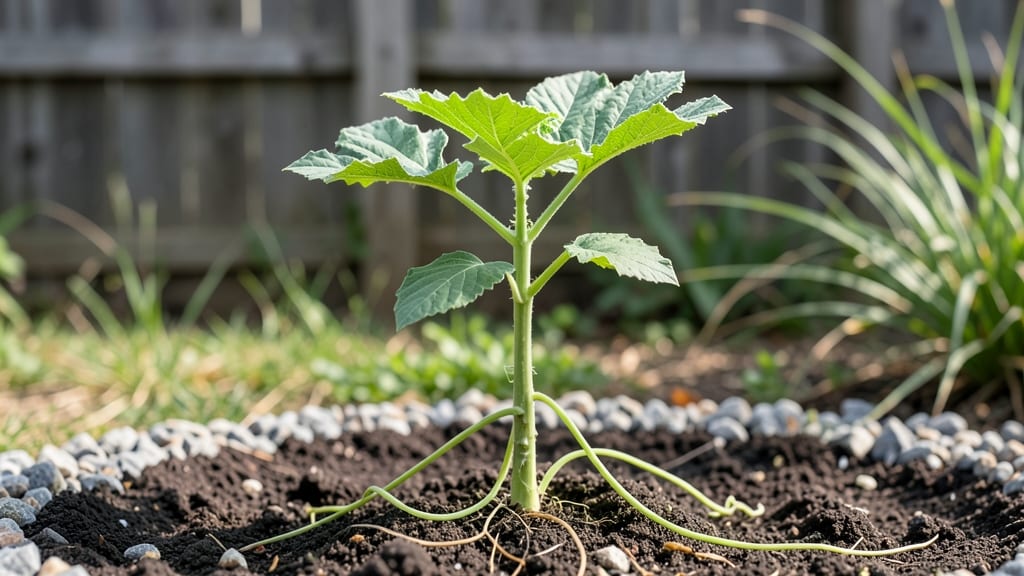
Mastering cucumber seedling identification early saves time—and your garden from sneaky squash imposters. 🌱 I’ve pulled up what I thought were cucumbers only to find weeds or volunteer squash—until I learned these three leaf shapes that scream "real cucumber."
The first set of leaves (called cotyledons) might look similar to other plants, but the true leaves tell all. The real giveaway is the lobed, jagged-edged leaves that appear after the first true leaves unfurl. Healthy seedlings have dark green, slightly fuzzy stems and grow upward aggressively.
Compare them to weeds or other seedlings: cucumbers stay compact at first, while squash or melons spread wider. Once you spot these, you’ll never mistake them again. Transplant when seedlings have 2-3 true leaves and a sturdy stem—about 10-14 days after germination.
Space them 12-24 inches apart (depending on variety) to avoid crowding, which leads to powdery mildew. The key is acting fast: cucumbers grow like weeds once they get going, but weak starts struggle to catch up. This works for all cucumber varieties, from slicing types to pickles.
Even in crowded trays, these leaf clues keep you from thinning out your own plants by accident. Now go check those seedlings—you’ve got this!
What Triggers Misidentification Issues
When it comes to cucumber seedling identification, confusion often arises from a mix of biological, environmental, and human factors. Understanding these causes helps gardeners distinguish true cucumber seedlings from lookalikes—like weeds or other young plants.
Below, we break down the science behind why misidentification happens, so you can spot the real deal with confidence.
Cucumbers aren’t the only plants with cotyledons (the first leaves that emerge from seeds) that resemble their true leaves. Many plants in the Cucurbitaceae family (which includes squash, melons, and pumpkins) share striking similarities in early growth stages. For example:
- Squash seedlings often have broad, rounded cotyledons that can mimic cucumber seedlings, especially in the Cucurbita genus (e.g., zucchini or butternut squash).
- Melon seedlings (like cantaloupe or honeydew) may have slightly serrated edges on their first true leaves, which can fool beginners into thinking they’re cucumbers.
- Weeds like pigweed (Amaranthus) or Chenopodium species (e.g., lamb’s quarters) can have lobed or jagged leaves that resemble young cucumber foliage.
Why it happens: Evolutionarily, these plants share similar growth patterns because they thrive in comparable climates and soil conditions. Their seeds often germinate around the same time, increasing the chances of confusion. Actionable fix: Wait until the third true leaf appears—cucumbers develop lobed or serrated edges with a distinct "hand-like" shape, while squash leaves tend to be smoother and more rounded.
Stress from temperature, moisture, or light can distort seedling development, making identification even trickier. Here’s how:
- Temperature fluctuations: If soil temps drop below 50°F (10°C) or rise above 95°F (35°C), seedlings may grow slowly or irregularly. Cold stress can cause purpling in stems (a sign of anthocyanin buildup), while heat stress can lead to smaller, thicker leaves that don’t resemble typical cucumber shapes.
- Over/under-watering:
- Overwatering leads to yellowing cotyledons and mushy stems, making seedlings look weak or deformed.
- Underwatering causes crinkled or curled leaves, which can mimic disease symptoms (like powdery mildew) and distract from proper identification.
- Poor light conditions: Seedlings grown in low light (e.g., under dense foliage or in shaded trays) develop long, leggy stems and small, pale leaves. This "etiolation" can make them look entirely different from healthy counterparts.
Why it happens: Stress disrupts chlorophyll production and cell division, altering leaf morphology. Actionable fix: Maintain consistent soil moisture (keep it damp but not soggy) and provide 12+ hours of light daily (use grow lights if needed). If seedlings look off, wait a few days—healthy cucumbers will "catch up" with proper care.
Even the most experienced gardeners can misidentify seedlings if they rush the process. Common mistakes include:
- Focusing only on cotyledons: The first leaves (cotyledons) don’t resemble true cucumber leaves. For example, cucumber cotyledons are round and smooth, while true leaves are lobed or serrated. Many gardeners pull seedlings based on cotyledons alone, leading to errors.
- Ignoring growth stage: Young cucumber seedlings (before the third true leaf) can look like marigold or basil seedlings, which also have broad, rounded leaves. Waiting too long to thin can result in overcrowding, masking true leaf shapes.
- Assuming all "weeds" are bad: Some beneficial weeds (like comfrey) have large leaves that might be mistaken for cucumbers. Conversely, harmful weeds like morning glory can have heart-shaped leaves that mimic early cucumber growth.
Why it happens: The brain often relies on pattern recognition, and if you’ve only seen mature cucumber plants, the subtle differences in seedlings can be overlooked. Actionable fix:
- Use a magnifying glass to inspect leaf edges for serrations or lobes.
- Take a photo of healthy cucumber seedlings as a reference.
- Pull a few "suspect" seedlings, wait 3–5 days, and replant if they don’t wilt—this tests their viability.
Pro tip: 💡 If you’re still unsure, sniff the stem—healthy cucumber seedlings have a faint, fresh green herbaceous scent, while many weeds smell earthy or neutral.
Fixing common cucumber seedling issues
Now that you’ve identified your cucumber seedlings, the next step is addressing any problems that might be holding them back. Whether it’s weak growth, disease, or pests, these practical solutions will help you nurture healthy plants. Let’s tackle the most common issues with clear, actionable steps.
Cause: Too many seedlings competing for sunlight, water, and nutrients in a small space.
How to Fix It: 🔥 Thin Them Out Early Remove weaker seedlings by pinching them at the base, leaving only the strongest 2–3 plants per pot or 12–18 inches apart in the garden. Use clean scissors or your fingers to avoid damaging roots.
🍳 Upgrade Their Space If seedlings are still crowded after thinning, transplant them into larger containers or directly into the garden. Ensure they get at least 6–12 inches of space between plants to prevent overcrowding.
👨🍳 Boost Soil Nutrition Amend the soil with compost or a balanced fertilizer (like 10-10-10) to give remaining seedlings a nutrient boost. Avoid over-fertilizing—stick to half-strength until roots establish.
Prevention Tips: ✔ Sow Seeds Sparingly: Follow spacing guidelines on seed packets from the start. ✔ Use Trays with Drainage: Prevents waterlogging, which weakens seedlings. ✔ Monitor Growth Weekly: Check for signs of stress (yellowing, wilting) and thin before issues escalate.
Cause: Aphids, cucumber beetles, or spider mites feeding on tender leaves and stems.
How to Fix It: 🔪 Handpick Visible Pests Early morning is the best time to spot and squish aphids or beetles. Drop them into soapy water to eliminate them.
🥘 Spray Natural Repellents Mix 1 tsp neem oil + 1 tsp dish soap + 1 quart water in a spray bottle. Apply to undersides of leaves where pests hide. Repeat every 3–5 days until pests disappear.
🌿 Introduce Beneficial Insects Ladybugs and lacewings eat aphids naturally. Purchase them from garden centers or attract them with dill or marigold plants nearby.
Prevention Tips: 💡 Use Row Covers: Lightweight fabric barriers keep pests out while allowing sunlight and water through. 🔥 Rotate Plant Locations: Avoid planting cucumbers in the same spot yearly to disrupt pest life cycles. 🎯 Inspect New Plants: Quarantine new seedlings for a week before introducing them to your garden.
Cause: Excess moisture, poor airflow, or contaminated soil leading to fungal growth.
How to Fix It: 🍄 Improve Air Circulation Space seedlings wider apart and avoid overhead watering. Use a fan on low setting for 10–15 minutes daily to dry leaves faster.
💧 Adjust Watering Habits Water at the soil base (not leaves) in the morning so foliage dries quickly. Let the top inch of soil dry out between waterings.
✨ Apply Fungicidal Sprays Mix 1 tbsp baking soda + 1 tsp oil + 1 quart water and spray on affected areas. For damping off (blackened stems), remove infected seedlings immediately and sterilize pots with 1 part bleach to 10 parts water.
Prevention Tips: 🌡️ Sterilize Tools & Soil: Use hydrogen peroxide (3%) to clean pots and tools between uses. 🥗 Choose Resistant Varieties: Opt for disease-resistant cucumber seeds labeled "powdery mildew resistant." 🍎 Mulch Properly: Use straw or grass clippings to keep soil moist but not soggy.
Cause: Lack of nitrogen, phosphorus, or micronutrients in the soil.
How to Fix It: 📊 Test Your Soil Use a DIY soil test kit (available at garden centers) to check pH and nutrient levels. Cucumbers thrive in pH 6.0–6.8.
💪 Fertilize Strategically
- Nitrogen (for leafy growth): Use alfalfa meal or fish emulsion every 2–3 weeks.
- Phosphorus (for roots): Add bone meal at planting time.
- Potassium (for fruit production): Use greensand or wood ash mid-season.
🥗 Compost Tea Boost Brew compost tea (steep compost in water for 24–48 hours, strain) and water seedlings with it weekly for a nutrient-rich drink.
Prevention Tips: 🔥 Amend Soil Before Planting: Mix in compost or aged manure 2–3 weeks prior to sowing. 🎯 Avoid Over-Fertilizing: Too much nitrogen causes weak stems prone to pests. ✨ Crop Rotate: Plant cucumbers in a different spot each year to replenish soil nutrients.
Final Pro Tip: 🌱 Observe Daily! Spend 5 minutes each morning checking seedlings for new issues. Early action prevents small problems from becoming garden disasters. With these fixes, your cucumber seedlings will grow into strong, productive plants ready for harvest!
Frequently asked questions
How do I tell the difference between cucumber seedlings and squash seedlings?
Look at the third true leaf—cucumber leaves have jagged, lobed edges like a hand, while squash leaves are smoother and more rounded. Cucumber stems also stay hairy and green, whereas squash stems often develop rougher textures as they mature.
Can I transplant cucumber seedlings too soon?
Yes! Wait until seedlings have 2-3 true leaves and a sturdy stem (about 10-14 days after germination). Transplanting too early stresses plants, causing transplant shock or stunted growth. Harden off seedlings first by exposing them to outdoor conditions for 3-5 days before moving.
Why do some of my cucumber seedlings look weak or yellow?
Weak seedlings often suffer from overcrowding, overwatering, or nutrient deficiencies. Thin seedlings to 12-24 inches apart, ensure soil stays moist but not soggy, and add compost. Yellowing leaves may signal nitrogen deficiency—try a fish emulsion fertilizer (half-strength) to revive them.
Are there any weeds that look like cucumber seedlings?
Yes! Morning glory and pigweed can mimic cucumber seedlings, especially when young. Check for heart-shaped leaves (morning glory) or reddish stems (pigweed). Cucumber seedlings have serrated, lobed leaves and a faint green scent when crushed—weeds usually smell earthy.