
Plants
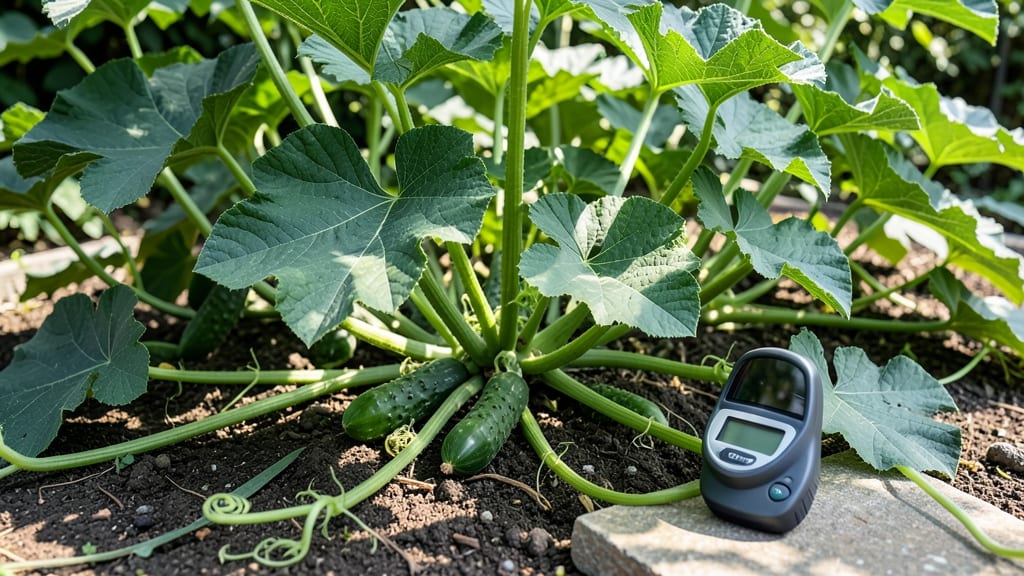
Cucumber plants not flowering?
That’s the moment you realize your vines are growing like weeds but producing zero fruit. 🌱 After years of trial and error (and way too many sad cucumber-less summers), I’ve narrowed it down to three science-backed fixes that actually work—no expensive fertilizers or confusing gardening jargon required.
The real culprits are usually temperature swings, poor pollination, or nutrient imbalances—not just "not enough water" (though that’s part of it too). Cucumbers need steady warmth (70-90°F) and consistent moisture to set flowers, and if your plants are stressed, they’ll focus on leaves instead. The good news?
Most issues fix themselves within 7-10 days once you adjust one key factor. By the end, you’ll have blooms—and eventually, crisp cucumbers—without guessing. The secret’s in the details: light exposure, watering rhythm, and a little pollination help when bees aren’t cooperating. Let’s get those flowers popping.
First, check your light situation. Cucumbers crave 6-8 hours of direct sun daily, and if they’re shaded (even by your neighbor’s tree), they’ll bolt or flower poorly. Move pots to sunnier spots or prune nearby plants blocking light.
Next, water consistently—dry soil stresses plants, while soggy roots rot them. Aim for 1-2 inches of water per week, keeping soil evenly moist but not soggy. Then, boost pollination.
If your cucumbers are male flowers (the ones with a tiny stem), hand-pollinate by gently brushing them onto female flowers (the ones with a tiny cucumber bump at the base). Or, plant companion flowers like nasturtiums to attract bees. Most flowering issues resolve once these three basics are in check.
If your plants still refuse to flower after two weeks of adjustments, dig deeper: soil tests (too much nitrogen = leafy monsters), pest checks (aphids steal energy), or temperature logs (cucumbers hate cold nights).
But 90% of the time? One of those three fixes works. Patience pays off—within 2-3 weeks, you’ll see blooms, and soon after, those cucumbers you’ve been dreaming of.
Root Causes Behind Stalled Blooms
When your cucumber plants refuse to flower, it’s usually a sign that something fundamental is out of balance. Understanding these causes—rooted in plant biology and environmental science—helps you take precise action. Below are the most common reasons cucumbers skip the flowering stage, explained clearly with actionable insights.
Cucumbers are warm-season plants that thrive in specific temperature ranges. If conditions stray too far from their comfort zone, they’ll pause flowering until conditions improve.
Why it happens:
- Cold stress: Temperatures below 50°F (10°C) disrupt pollen production in male flowers and stigma development in female flowers. If nights dip below 60°F (15°C), growth slows, and buds may drop before opening.
- Heat stress: While cucumbers love warmth, sustained temperatures above 90°F (32°C) can cause heat shock, where flowers form but fail to pollinate or drop prematurely. High humidity + heat also promotes fungal diseases (like powdery mildew), which weaken plants.
💡 Pro Tip: Use row covers in early spring to protect from cold snaps, and provide afternoon shade in scorching climates. Mulch with straw to regulate soil temperature.
Cucumbers are heliophytes—they crave sunlight to fuel photosynthesis, which drives flower production. Without adequate light, plants focus energy on leaf growth instead of blooms.
Why it happens:
- Insufficient sunlight: Cucumbers need 6–8 hours of direct sunlight daily. Shady spots (e.g., under trees or tall plants) lead to etiolation—stretched, weak stems with few flowers.
- Overcrowding: Plants competing for light divert energy to leaves rather than reproductive structures. This is common in container gardens or densely planted rows.
🌿 Fix It: Prune nearby shade-casting plants, thin crowded vines, or relocate containers to sunnier spots. If growing indoors, supplement with grow lights (12–16 hours/day).
Water stress—whether from drought or overwatering—disrupts the hormonal signals that trigger flowering. Cucumbers are particularly sensitive to inconsistent moisture.
Why it happens:
- Drought stress: When soil dries out, cucumbers prioritize survival over reproduction. Ethylene gas (a stress hormone) builds up, causing buds to abort. Even slight wilting can halt flower development.
- Overwatering: Poor drainage or soggy soil leads to root rot, starving the plant of nutrients and oxygen. Weak roots can’t support flower production, and excess moisture also promotes powdery mildew, which blocks sunlight.
💧 Solution:
- Water deeply 1–2 times per week (1–1.5 inches total), ensuring soil drains well.
- Use drip irrigation to keep leaves dry and avoid fungal issues.
- Add compost or perlite to improve soil aeration.
Flowering is energy-intensive, and cucumbers need the right nutrients to produce blooms. Deficiencies or excesses throw off their metabolic balance.
Why it happens:
Nutrient Role in Flowering Signs of Deficiency Phosphorus (P) Critical for energy transfer and root development, which supports flower buds. Purple-tinged leaves, stunted growth, delayed flowering. Potassium (K) Regulates enzyme activity and stress responses; helps transport nutrients to flowers. Yellowing leaf edges, weak stems, poor fruit set. Boron (B) Essential for cell wall formation in pollen tubes and ovary development. Cracked stems, blackened buds, or flowers that drop without pollinating. Nitrogen (N) Excess Too much nitrogen promotes leafy growth at the expense of flowers. Lush green foliage but no blooms; leggy, weak vines.
🌱 Action Steps:
- Test soil pH (ideal: 6.0–6.8)—boron and phosphorus are less available in acidic soil.
- Apply a balanced fertilizer (e.g., 5-10-10) at planting, then switch to a low-nitrogen, high-phosphorus formula (e.g., 3-12-6) when vines start running.
- For boron deficiency, use 1/4 tsp borax per gallon of water as a foliar spray.
Pests and pathogens don’t just damage leaves—they drain energy and block sunlight, forcing cucumbers to divert resources away from flowering.
Why it happens:
- Squash bugs & cucumber beetles: These pests chew on leaves and stems, reducing photosynthesis. They also spread bacterial wilt, which clogs xylem vessels and starves the plant.
- Powdery mildew: A fungal infection that coats leaves in white powder, blocking 70–80% of sunlight. Infected plants focus energy on defense, not flowers.
- Root-knot nematodes: Microscopic worms that damage roots, reducing water and nutrient uptake. Weak roots can’t support flower development.
🛡️ Preventative Measures:
- Use floating row covers early in the season to block pests.
- Apply neem oil or kaolin clay to deter beetles and fungal spores.
- Rotate crops annually to break nematode cycles.
By identifying which of these factors is at play in your garden, you can target the fix and coax your cucumbers back into blooming mode. Next, we’ll dive into science-backed solutions to revive your plants’ flowering cycle! 🌱🔬
Revive Your Cucumbers: Fixing Flower Problems
When your cucumber plants refuse to bloom, the good news is that most issues have simple, science-backed fixes. Below, we’ve mapped out practical solutions for the most common causes—plus prevention tips to keep your plants thriving. No green thumb required!
Cucumbers are warm-season lovers but hate extreme heat or chilly drafts. If temps dip below 55°F (13°C) or soar above 90°F (32°C), flowers may drop before pollination.
How to Fix It: ✅ 🌡️ Extend the Growing Season – Use row covers or cloches in early spring/fall to protect plants from frost. ✅ 💦 Boost Nighttime Cooling – Mist plants or use shade cloth (30–50%) during peak afternoon heat to lower stress. ✅ 🌱 Choose Heat-Tolerant Varieties – Try ‘Straight Eight’ or ‘Marketmore 76’—they handle warmth better than standard types.
💡 Pro Tip: If nights stay below 60°F (15°C), consider hand-pollinating flowers (see below) to force fruit set.
Cucumbers need 6–8 hours of direct sunlight daily. Shady spots lead to weak vines, fewer flowers, and poor pollination.
How to Fix It: 🔥 🌿 Relocate Plants – If possible, transplant to a south-facing spot or near a sunny fence/wall. 🍳 🔦 Supplement with Grow Lights – A LED grow light (12–16 hrs/day) can bridge gaps in low-light areas. 👨🍳 🌱 Train Vines Upward – Use trellises or cages to lift plants toward sunlight, improving air circulation and exposure.
✨ Prevention: Avoid planting near tall trees or buildings that cast long shadows.
Inconsistent watering causes stress, blossom end rot, and flower drop. Cucumbers need deep, even moisture—never soggy or dry soil.
How to Fix It: 🔥 💦 Water at the Base – Use a soaker hose or drip irrigation to keep soil 1–2 inches moist (not drenched). 🍳 🕒 Stick to a Schedule – Water early morning (6–8 AM) to reduce evaporation and fungal risks. 👨🍳 🌱 Mulch Like a Pro – Spread straw or shredded leaves to retain moisture and cool roots.
🎯 Warning: Overwatering (especially at night) can rot roots—ensure pots/drainage have holes!
Cucumbers rely on bees, wind, or gentle human help to pollinate flowers. If your garden lacks buzzing friends, DIY pollination works wonders.
How to Fix It: 🔥 🐝 Identify Male vs. Female Flowers –
- Male: Small, on long stems (no swelling at base).
- Female: Tiny cucumber at the base (the "fruit").
✅ 🍳 Transfer Pollen – Use a soft brush or cotton swab to dab pollen from male flowers onto female flowers. ⏰ 🕒 Best Time: Pollinate morning to early afternoon when flowers are open.
💡 Pro Tip: If you see no bees, try planting bee-friendly flowers (like marigolds or borage) nearby!
Cucumbers compete for nutrients and air flow when packed too tightly. Weak plants = weak flowers.
How to Fix It: 🔥 🌿 Thin or Transplant – Space vines 12–24 inches apart (or trellis to save space). 🍳 💪 Fertilize Right –
- At planting: Mix compost or balanced 10-10-10 fertilizer.
- When flowering: Switch to low-nitrogen, high-phosphorus (like 5-10-10) to boost blooms.
👨🍳 🌱 Side-Dress with Compost – Sprinkle aged manure or worm castings around roots monthly.
🎯 Prevention: Avoid over-fertilizing with nitrogen—it promotes leafy growth over flowers.
Aphids, powdery mildew, or cucumber beetles sap energy from plants, stunting flower production.
How to Fix It: 🔥 🐜 Spot & Squash Pests –
- Aphids: Spray with soapy water (1 tsp mild soap + 1 quart water).
- Beetles: Handpick or use row covers until flowers appear.
🍳 🌿 Prevent Fungal Issues –
- Space plants for airflow.
- Spray neem oil weekly if mildew appears.
👨🍳 🌱 Rotate Crops – Don’t plant cucumbers in the same spot yearly to break disease cycles.
✨ Prevention: Healthy soil = strong plants—test pH (aim for 6.0–6.8) and amend with lime or sulfur if needed.
If your plant is overgrown or stressed, a light pruning can redirect energy to flowering.
How to Fix It: 🔥 🌿 Trim Excess Leaves – Remove yellow or damaged leaves to reduce stress. 🍳 🌱 Pinch Back Tips – Snip the top 2–3 inches of vines to encourage side shoots (where flowers form). 👨🍳 ⏰ Do It Early – Best done in late spring when plants are 12–18 inches tall.
💡 Pro Tip: Avoid heavy pruning—just a light trim keeps the plant happy without shock.
Need a fast reference? Here’s the cause-to-solution cheat sheet:
| Problem | Quick Fix | Prevention Tip |
|---|---|---|
| Too hot/cold | Use shade cloth or row covers | Plant heat-tolerant varieties |
| Not enough sun | Relocate or add grow lights | Choose sunny spots from the start |
| Water issues | Soaker hose + mulch | Water deeply but consistently |
| No pollinators | Hand-pollinate with a brush | Plant bee-friendly flowers nearby |
| Overcrowded | Thin plants or trellis | Space 12–24" apart |
| Pests/disease | Neem oil or soapy water spray | Rotate crops yearly |
| Nutrient deficiency | Side-dress with compost | Test soil pH before planting |
🌱 Ready to bloom? Try one fix at a time, monitor progress, and adjust as needed. Within 1–2 weeks, you should see more flowers—and soon, cucumbers! 🥒💚
Frequently asked questions
Why are my cucumber plants growing leaves but no flowers?
This usually happens when your plants are stressed by too much nitrogen (promoting leafy growth) or environmental factors like inconsistent watering or poor sunlight. Cucumbers need 6-8 hours of direct sun daily and balanced nutrients—switch to a low-nitrogen, high-phosphorus fertilizer (like 5-10-10) to encourage blooms.
How do I know if my cucumber flowers are male or female?
Male flowers grow on long stems with no swelling at the base, while female flowers have a tiny cucumber bump at the base. To help pollination, gently transfer pollen from male flowers to female ones using a soft brush or cotton swab in the morning when flowers are open.
Can I fix my cucumber plants if they're already overgrown?
Yes! Lightly prune back yellow or damaged leaves and pinch the tips of vines to encourage side shoots where flowers form. Avoid heavy pruning—just a 2-3 inch trim will redirect energy to blooming. Mulch heavily to reduce stress and water consistently.
What should I do if my cucumber plants have flowers but no fruit?
This usually means poor pollination. Try hand-pollinating by transferring pollen between flowers, or plant bee-friendly flowers (like marigolds) nearby to attract pollinators. Also check for pests or fungal diseases that may be blocking sunlight and nutrients.
How long does it take for cucumber plants to start flowering after fixes?
With proper care, you should see new flowers within 7-14 days of adjusting conditions. Focus on one issue at a time (like sunlight or watering) and monitor progress. If no improvement after 2 weeks, test your soil pH or check for hidden pests.