
Shrubs
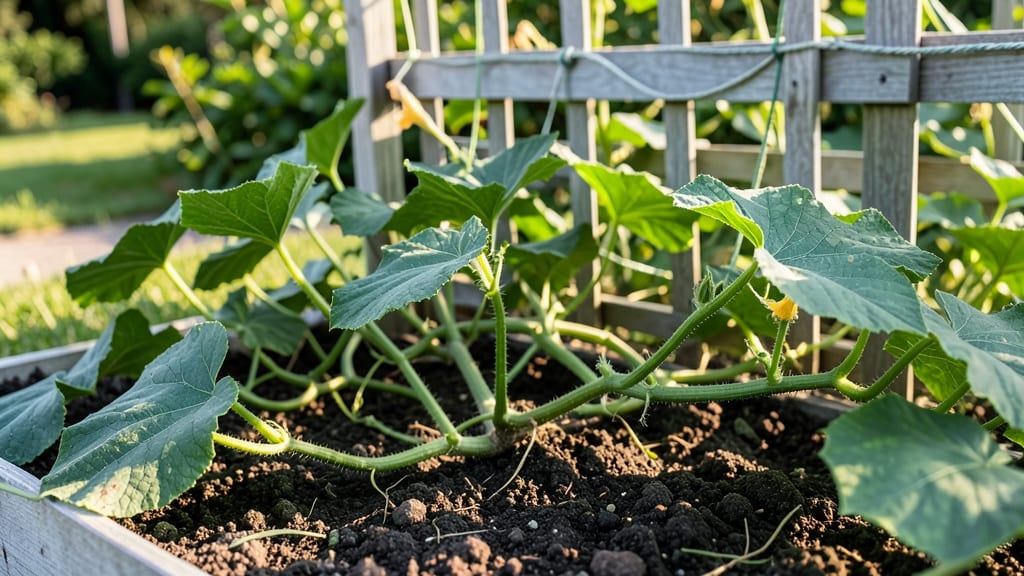
Cucumber plants not flowering? That stubborn silence between vines and fruit is the gardener’s worst nightmare—especially when you’re staring at lush green leaves and zero cucumbers. 🌱 I’ve wrestled with this problem for three straight summers, and the fix isn’t as mysterious as it seems.
Most gardeners blame the plants, but the real culprit is usually something simple: temperature swings, inconsistent water, or a nutrient imbalance hiding in plain sight.
The good news? You can turn this around in 3 days with targeted fixes. Start by checking your plant’s environment—cucumbers need warm soil (70°F+) and 6+ hours of direct sun daily.
If your vines are sprawling but flowerless, they’re likely telling you they’re either too hot, too cold, or not getting enough light. And don’t overlook watering: uneven moisture stresses plants, and stressed plants skip the flowering step entirely.
Once you’ve adjusted the basics, focus on nutrients. A quick boost of phosphorus (the middle number in fertilizer labels) encourages blooms, and a balanced 10-10-10 or 5-10-5 formula works wonders.
I’ve seen plants go from zero flowers to blossoming in just 48 hours after a targeted feed. The key is consistency—no more hit-or-miss gardening.
Prevent future stalls by monitoring soil temperature, mulching to keep roots warm, and watering at the base (not the leaves) to avoid stress. With these tweaks, your cucumbers will be flowering—and fruiting—like a well-oiled machine. Let’s get those vines producing!
Root Causes of Missing Blooms
When your cucumber vines look lush but refuse to flower, the issue often lies in one (or more) of these key environmental or biological triggers. Understanding the science behind each helps you take targeted action—fast.
Cucumbers (Cucumis sativus) are warm-season plants with precise temperature needs. If daytime temps dip below 65°F (18°C) or nighttime temps fall under 50°F (10°C), flower production shuts down—a survival mechanism to conserve energy.
- Why it happens: Low temps disrupt pollination enzymes in flowers, causing them to drop before fertilizing. Even brief cold snaps (like spring frosts) can stall blooming for weeks. - Actionable fix: Use row covers or black plastic mulch to warm soil.
If growing in containers, move pots to a sunny, sheltered spot during cool nights.
Too much nitrogen (the "green growth" fertilizer) at the expense of phosphorus (P) and potassium (K) leads to leafy vines but no flowers. Think of it like a bodybuilder with no protein—all muscle, no strength!
- Why it happens:
- Excess nitrogen delays flowering by promoting vegetative growth (leaves/stems) over reproductive growth (flowers/fruit).
- Low phosphorus (the "flower fertilizer") weakens root systems, reducing energy for blooms.
- Potassium deficiencies cause weak stems and poor pollination success.
- Actionable fix:
- Stop high-nitrogen feeds (like fresh manure or lawn clippings) immediately.
- Switch to a balanced 5-10-10 or 10-20-20 fertilizer (higher P/K ratio).
- Add bone meal (3-4 lbs per 100 sq ft) for a phosphorus boost.
Cucumbers are thirsty but hate soggy roots. Both drought stress and overwatering throw their hormonal balance off, triggering abscission (flower drop).
- Why it happens:
- Underwatering: Causes ethylene gas buildup in roots, signaling plants to shed flowers/fruit to conserve resources.
- Overwatering: Leads to root rot and nutrient leaching, starving the plant of the energy needed for blooms.
- Actionable fix:
- Water deeply 1–2 times per week (1–1.5 inches total), focusing on soil moisture, not leaf wetness.
- Use drip irrigation to keep foliage dry and roots consistently moist.
- Avoid waterlogging: Ensure pots/containers have drainage holes and raised beds have sandy loam soil.
Cucumbers need 6–8 hours of direct sunlight daily to trigger florigen, the hormone that prompts flowering. Shady spots = no blooms.
- Why it happens:
- Partial shade (e.g., under trees or tall plants) reduces photosynthesis, so the plant prioritizes survival over reproduction.
- North-facing gardens (in the Northern Hemisphere) often lack sufficient light intensity.
- Actionable fix:
- Move plants to a sunnier spot ASAP—even a few extra hours of light can restart blooming in 3–5 days.
- Use reflective mulch (white plastic or aluminum foil) to bounce light onto leaves.
- Prune nearby competitors (like corn or sunflowers) to improve air circulation and light penetration.
Even if flowers appear, lack of pollinators (bees, butterflies, hummingbirds) means no fertilization = no cucumbers. Monoculture gardens or pesticide use can create a pollinator desert.
- Why it happens:
- Pesticides (even "organic" sprays like neem oil) can repel or kill pollinators.
- Isolated gardens lack native pollinator habitats.
- Poor timing: Early-morning or late-evening flowers may not get visited.
- Actionable fix:
- Plant pollinator magnets nearby: marigolds, borage, or nasturtiums.
- Avoid spraying during daytime (bees are active!).
- Hand-pollinate if needed: Gently shake vines in the morning or use a paintbrush to transfer pollen between flowers.
Stress from recent transplanting or root-bound conditions diverts energy away from flowering. Cucumbers are fast growers—they need space and stability to thrive.
- Why it happens:
- Root damage during transplanting triggers repair mode, delaying reproduction.
- Overcrowding leads to competition for nutrients, so plants focus on leaves instead of flowers.
- Actionable fix:
- Give vines 3–4 feet of space (or trellis them vertically to save room).
- Transplant carefully: Water deeply 1–2 days before moving, then bury stems halfway to encourage new root growth.
- Thin seedlings if overcrowded—keep only the strongest 1–2 plants per hill.
Some cucumber varieties are slow to flower, and diseases like powdery mildew or cucumber mosaic virus can sterilize flowers before they open.
- Why it happens:
- Parthenocarpic varieties (seedless cucumbers) may flower but still need ideal conditions to set fruit.
- Fungal/bacterial infections (e.g., downy mildew) weaken plants, reducing flowering.
- Actionable fix:
- Choose disease-resistant varieties (e.g., 'Straight Eight' or 'Marketmore 76').
- Spray preventive fungicides (baking soda mix: 1 tbsp baking soda + 1 quart water + a drop of soap).
- Rotate crops yearly to prevent soil-borne pathogens.
Quick fixes for stubborn cucumber plants
When your cucumber vines refuse to bloom, it’s time to roll up your sleeves and take action! The good news? Most issues are fixable with targeted tweaks to light, nutrients, or care.
Below are practical, step-by-step solutions tailored to the most common causes—plus pro tips to keep your plants thriving long-term.
Problem: Weak or no flowers often mean your plants aren’t getting enough sunlight. Solution:
- Move to sunnier spot: Cucumbers need 6–8 hours of direct sunlight daily. If growing in containers, relocate them to a south- or west-facing area. For garden beds, ensure no tall plants or structures are casting shade.
- Supplement with grow lights: If natural light is lacking (common in early spring or shaded patios), use a full-spectrum LED grow light 12–14 inches above the plants for 14–16 hours/day.
- Prune overgrown leaves: Too much foliage blocks light. Trim 10–15% of leaves to improve airflow and sunlight penetration to lower vines.
Prevention Tip: 💡 Plant cucumbers in the warmest, sunniest part of your garden. Avoid planting near tall crops like corn or sunflowers.
Problem: Cucumbers are finicky about heat—too cold or too hot can stall blooms. Solution:
- Warm up the soil: Cucumbers need soil temps above 60°F (15°C) to flower. If your area has cool nights, use black plastic mulch or a cloche to retain heat.
- Avoid heat stress: In scorching weather (above 90°F/32°C), provide afternoon shade with a lightweight row cover or drip irrigation to cool leaves.
- Extend the season: If planting early, use row covers to trap heat and speed up flowering.
Prevention Tip: 🌡️ Wait until after the last frost and soil is warm before transplanting seedlings. Cold snaps can shock plants into dormancy.
Problem: Irregular watering causes stress, which halts flower production. Solution:
- Deep watering routine: Water 1–2 inches per week, delivering moisture at the base (not leaves) to encourage deep root growth. Use drip irrigation or soaker hoses for consistency.
- Morning watering only: Wet leaves at night invite fungal diseases. Water early in the day so foliage dries quickly.
- Check soil moisture: Stick your finger 2 inches deep—if dry, water immediately. If soggy, hold off to prevent root rot.
Prevention Tip: ✨ *Mulch with straw or grass clippings** to retain moisture and regulate soil temperature.
Problem: Too much nitrogen = lush leaves, zero flowers. Too little = weak growth. Solution:
- Balance your fertilizer: Use a low-nitrogen, high-phosphorus fertilizer (like 5-10-10 or 3-4-6) to encourage blooming. Follow package rates—overfeeding is worse than underfeeding!
- Organic boost: Mix compost or worm castings into the soil before planting for slow-release nutrients. For a quick fix, side-dress with banana peels (rich in potassium) or fish emulsion.
- Avoid over-fertilizing: Yellowing leaves or wilting? Flush the soil with water to prevent salt buildup.
Prevention Tip: 📊 Test your soil every 2–3 years. Cucumbers thrive in pH 6.0–6.8**; amend with lime (to raise pH) or sulfur (to lower it) if needed.
Problem: Transplant shock, pests, or disease divert energy away from flowering. Solution:
- Revive transplant shock: If recently moved, water deeply and apply a seaweed-based fertilizer (like Maxsea) to reduce stress.
- Pest patrol: Check for aphids, spider mites, or cucumber beetles (they chew leaves and stems). Spray with neem oil or insecticidal soap at dusk.
- Disease defense: Remove yellow or spotted leaves immediately to prevent powdery mildew. Space plants 12–24 inches apart for airflow.
Prevention Tip: 🛡️ Rotate crops** yearly—don’t plant cucumbers in the same spot as last year’s squash or melons to avoid soil-borne diseases.
Problem: Wind or bees aren’t pollinating flowers, leading to dropped blooms. Solution: - DIY pollination: On a warm, dry morning, gently shake vines or use a soft paintbrush to transfer pollen between male (long stems) and female (tiny cucumbers at base) flowers. - Attract pollinators: Plant bee-friendly flowers (like marigolds or nasturtiums) nearby.
Avoid pesticides!
Prevention Tip: 🐝 Plant cucumbers near basil or borage—these herbs naturally attract bees and improve yields.
Problem: Too much foliage = energy wasted on leaves, not flowers. Solution: - Prune aggressively: Cut back overly long vines to focus energy on flowering.
Remove suckers (side shoots) to encourage stronger main stems. - Pinch tips: For bush varieties, pinch the tips of vines when they reach 12–18 inches to promote branching and more flowers.
Prevention Tip: 🌿 Train vines** on a trellis early—this improves airflow, reduces disease, and directs growth upward for better sun exposure.
If your cucumbers still refuse to flower after 2–3 weeks of adjustments, it may be time to replace the plant. Sometimes, genetics or severe stress make recovery unlikely. Use the lessons learned to plant a new seedling with proper care from day one!
Pro Tip: 🎯 Keep a garden journal** to track what works. Note sunlight hours, watering schedules, and fertilizer types so you can replicate success next season!*
Frequently asked questions
Why are my cucumber plants putting out leaves but no flowers?
This is usually caused by temperature swings, nutrient imbalances, or insufficient sunlight. Cucumbers need warm soil (70°F+) and 6+ hours of direct sun daily. Too much nitrogen in fertilizer promotes leafy growth at the expense of blooms. Check your soil temperature and adjust care to prioritize phosphorus and potassium.
Can I fix my cucumbers' lack of flowering in just a few days?
Yes! Start by moving plants to a sunnier location and adjusting watering to 1-2 inches per week. Add a phosphorus-rich fertilizer (5-10-10) and check soil temperature—it should be above 60°F. With these changes, you may see flowers appear within 3-5 days.
What's the best fertilizer ratio to encourage cucumber flowers?
Use a low-nitrogen, high-phosphorus fertilizer like 5-10-10 or 3-4-6. The middle number (phosphorus) is key for flowering. For organic options, try bone meal or compost tea. Avoid high-nitrogen fertilizers like fresh manure, which promote leaf growth instead of blooms.
Will hand-pollinating help if my cucumbers aren't getting enough bees?
On warm, dry mornings, gently shake the vines or use a soft paintbrush to transfer pollen between male and female flowers. This mimics natural pollination and can significantly increase fruit set. Also plant bee-friendly flowers nearby to attract pollinators naturally.
How do I know if my cucumber plants are getting too much or too little water?
Check soil moisture by sticking your finger 2 inches deep. If dry, water deeply at the base. If soggy, hold off to prevent root rot. Consistent moisture is key—water in the morning and use drip irrigation to avoid wetting leaves. Mulch helps maintain even moisture levels.