
Planting
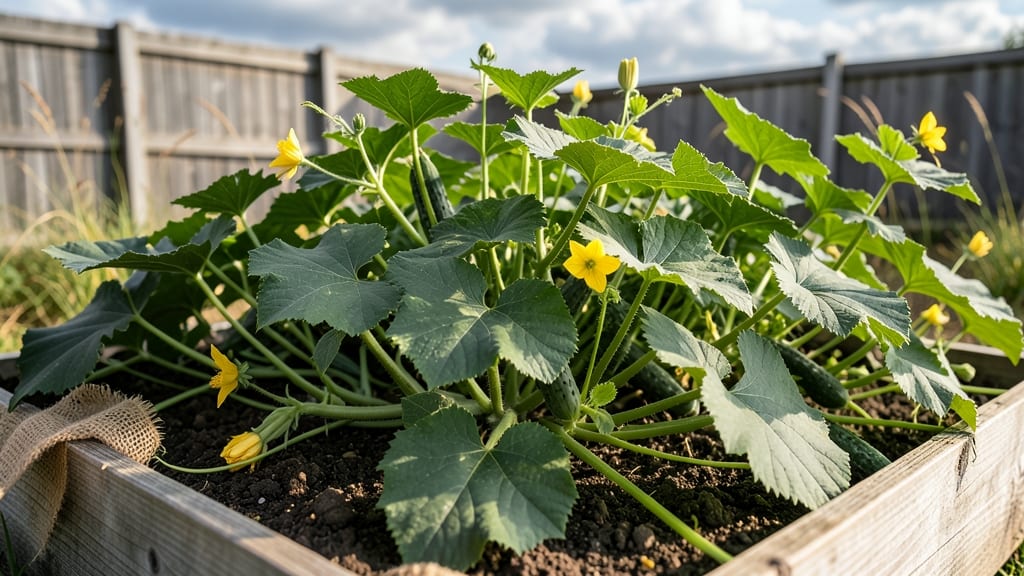
Your cucumber plant starting to flower means the real fun begins—but only if you know these pollination triggers. 🌸 I’ve watched my vines go from hopeful blooms to bitter disappointment (and then to a garden overflowing with cucumbers) by learning just a few simple habits.
The difference between a handful of fruits and a bushel comes down to what you do in these first critical weeks after flowering starts.
Here’s the thing—cucumbers need both male and female flowers to set fruit, and nature isn’t always perfect at delivering. Male flowers (the ones with long stems) appear first, but female flowers (with tiny cucumbers at their base) need pollen to turn into harvestable fruit.
If you’re growing in a greenhouse or have poor bee traffic, you’ll need to hand-pollinate—it’s easier than it sounds, and I’ll show you how.
By pruning strategically (yes, even when flowers are appearing), you’ll encourage the plant to focus energy on fruit development instead of extra foliage. Snip off the first few male flowers to push more female blooms, and always leave at least one leaf above each fruit to keep it growing strong.
Within 10-14 days, those tiny cucumbers will start swelling—and that’s when the real magic happens.
Common mistakes like overwatering or using too much nitrogen can turn your flowering plant into a leaf monster instead of a fruit factory. But once you’ve got the basics down, you’ll be harvesting crisp, flavorful cucumbers all season long. Let’s get those vines producing!
Triggers Behind Early Blooming
When your cucumber plant starts flowering sooner than expected, it’s usually a response to specific environmental or physiological cues. Understanding these triggers helps you adjust care routines to optimize fruit production. Here’s why your plant might be sending up those delicate blooms early—and what it means for your harvest.
Cucumbers are warm-season crops, and sudden temperature changes—especially consistent warmth above 70°F (21°C)—can accelerate flowering. Here’s how it works:
- Day-length sensitivity: Longer daylight hours (14+ hours) signal cucumber plants to shift from vegetative growth (leaf production) to reproductive growth (flowering). If your region experiences early spring warmth or extended summer days, expect blooms to appear sooner.
- Nighttime warmth: Temperatures above 65°F (18°C) at night prevent stress hormones (like abscisic acid) from delaying flowering. Cooler nights (<60°F/15°C) often pause blooming until conditions stabilize.
- Heat stress: If daytime temps exceed 90°F (32°C), plants may bolt (rapidly flower and fruit) to reproduce before wilting. This is common in desert climates or unshaded gardens.
Actionable fix: Use shade cloth (30–50% coverage) during peak heat or opt for heat-tolerant varieties like ‘Straight Eight’ or ‘Marketmore 76’. Mulch with straw to regulate soil temps.
Cucumbers are short-day neutral plants, meaning they flower based on light intensity and duration—not just day length. Too much or too little light can disrupt their natural rhythm.
- Insufficient light: If seedlings are grown indoors or in shaded spots, they may stretch (etiolate) and flower prematurely to compensate for weak energy production. This often results in weak stems and small blooms.
- Excessive direct sun: While cucumbers love sunlight, 10+ hours of intense sun can push them into flowering faster than ideal. This is why greenhouse-grown plants sometimes bolt unexpectedly.
- Artificial light interference: Grow lights left on 24/7 (common in indoor setups) can trick plants into thinking it’s perpetual summer, triggering early flowering.
Actionable fix:
- Ensure 6–8 hours of direct sun for outdoor plants; supplement with LED grow lights (12–16 hours/day) indoors.
- Rotate plants weekly to prevent uneven light exposure.
- If using grow lights, mimic natural cycles with 8 hours of light/16 hours of darkness.
Fluctuations in water availability send mixed signals to cucumber plants, often accelerating flowering as a survival tactic. Here’s how:
- Drought stress: When soil dries out, plants produce ethylene gas, a hormone that triggers flowering and fruit set. This is why cucumbers in dry climates or neglected pots may bolt unexpectedly.
- Overwatering: While rare, waterlogged soil can stress roots, causing plants to prioritize reproduction over growth. This is common in containers without drainage.
- Inconsistent watering: Alternating between soggy and dry soil confuses the plant’s hormonal balance, leading to erratic flowering and poor fruit development.
Actionable fix:
- Water deeply 1–2 times per week (1–2 inches of soil should stay moist). Use drip irrigation for consistency.
- Add organic mulch (like grass clippings) to retain moisture and regulate soil temp.
- Avoid wetting leaves to prevent fungal diseases that weaken the plant.
Cucumbers are heavy feeders, and specific nutrient deficiencies or excesses can push them into flowering mode. Pay attention to these key factors:
| Nutrient Issue | Effect on Flowering | Signs to Watch For |
|---|---|---|
| Low nitrogen (N) | Plants shift from leaf growth to flowering to “reproduce before dying.” | Yellowing lower leaves, stunted stems, early but sparse blooms. |
| Excess phosphorus (P) | Promotes root and flower development too quickly, depleting energy for vines. | Purple-tinged stems, excessive blooms with few fruits, weak vines. |
| Potassium (K) deficiency | Stresses the plant, causing it to bolt as a survival mechanism. | Yellowing leaf edges, weak stems, early but fragile flowers. |
| Over-fertilization (especially N) | Can lead to vegetative overgrowth followed by a sudden flush of flowers when growth slows. | Lush but leggy plants, then a wave of blooms after fertilizer is reduced. |
Actionable fix:
- Use a balanced fertilizer (e.g., 5-10-10) at planting, then switch to a low-N, high-K formula (e.g., 2-4-8) when vines start running.
- Avoid “bloom booster” fertilizers early in the season—they’re designed to encourage flowering.
- Side-dress with compost or banana peels (high in potassium) to support fruit development.
Some cucumber varieties are early bloomers by design, while others may flower prematurely due to age or stress. Here’s what to consider:
- Parthenocarpic vs. pollinated varieties:
- Parthenocarpic cucumbers (e.g., ‘Diva’, ‘Sweet Success’) produce fruits without pollination and may flower earlier to ensure fruit set.
- Pollinated varieties (like slicing cucumbers) wait for bees or wind to trigger fruit development, often delaying blooms until conditions are ideal.
- Age-related flowering: Most cucumber plants will flower within 4–6 weeks of transplanting if conditions are right. If yours blooms in 3 weeks or less, it may be a compact or bush variety bred for early production.
- Stress-induced maturity: Older plants or those recovering from transplant shock may flower rapidly to “complete their lifecycle” before declining.
Actionable fix:
- Choose varieties suited to your climate. For short seasons, pick ‘Bush Champion’ or ‘Spacemaster’.
- If your plant is young (<4 weeks old) and flowering, it may be <
Quick Fixes for Flowering Cucumbers
When your cucumber plant starts flowering but isn’t producing fruit—or worse, the flowers drop off—don’t panic! The good news is that most of these issues have simple, actionable solutions.
Below, we’ve mapped common causes to practical fixes, along with prevention tips to keep your plants thriving. Let’s get those cucumbers growing!
Fix: Hand-pollinate or boost natural pollinators. Cucumber flowers are either male (with long stems and no bulb at the base) or female (with tiny cucumbers forming at the base of the bloom). If bees aren’t visiting, you’ll need to lend a hand!
- 🔥 Identify Female Flowers Look for blooms with a tiny cucumber (ova) at the base. These are your fruit-makers!
- 🍳 Collect Pollen from Male Flowers Use a small paintbrush or cotton swab to gently dab pollen from a male flower’s center.
- 👨🍳 Transfer Pollen to Female Flowers Lightly brush the pollen onto the female flower’s stigma (the fuzzy center). Do this in the morning when flowers are fresh.
- 🌡️ Repeat Daily for 3–5 Days Consistency is key—keep pollinating until you see cucumbers forming.
💡 Pro Tip:
- Attract bees by planting basil, marigolds, or nasturtiums nearby. Bees love these flowers and will pollinate your cucumbers naturally!
- Avoid pesticides—they can harm pollinators. Opt for neem oil or soapy water sprays instead.
Fix: Adjust growing conditions for optimal flowering. Cucumbers thrive in warmth (70–90°F) but can get stressed if temps dip below 55°F or spike above 95°F. This causes flowers to drop before pollination.
- 🌡️ Monitor Your Microclimate Use a soil thermometer to check root-zone temps. Ideal range: 60–75°F.
- 🌿 Provide Shade on Hot Days Use row covers, shade cloth (30–50%), or even a lightweight tarp to protect plants from afternoon sun.
- ❄️ Warm Up Cold Soil If nights are chilly, mulch heavily with straw or black plastic to retain heat. You can also plant in black pots to absorb sunlight.
- 💧 Water Deeply in Heatwaves Stress from drought causes flowers to drop. Water at the base (not leaves) in the early morning to prevent evaporation.
🔥 Quick Fix for Sudden Cold Snaps:
- Cover plants with frost blankets or old sheets if temps drop below 50°F at night.
Fix: Balance your fertilizer for flowering and fruiting. Too much nitrogen (N) leads to lush leaves but few flowers, while a phosphorus (P) and potassium (K) boost encourages blooms.
- 📊 Check Your Soil Test soil pH (6.0–6.8 is ideal). Use a home test kit or send a sample to your local Cooperative Extension Service.
- 💪 Switch to a Bloom-Boosting Fertilizer
- Stop high-nitrogen feeds (like lawn fertilizer).
- Switch to a 5-10-10 or 10-20-20 formula (higher P and K).
- Organic options: Fish emulsion, bone meal, or compost tea.
- 🥗 Feed During Flowering Stage Apply fertilizer every 2–3 weeks once flowers appear, but reduce nitrogen to avoid leafy growth at the expense of fruit.
✨ Prevention Tip:
- Side-dress with kelp meal or banana peels (high in potassium) to support flowering.
- Avoid overwatering—soggy soil leaches nutrients and stresses plants.
Fix: Optimize light exposure for vigorous flowering. Cucumbers need 6–8 hours of direct sun daily. Shady spots lead to weak stems, few flowers, and poor fruit set.
- 🔍 Assess Your Plant’s Location
- Move containers to a sunnier spot if indoors or on a patio.
- Prune nearby trees/shrubs blocking light.
- 🌿 Train Vines for Better Sun Access
- Trellis cucumbers to grow vertically—this improves air circulation and sunlight penetration.
- Remove lower leaves shading the main stem (but leave some for photosynthesis).
- 💡 Supplement with Grow Lights (If Needed) For indoor growers, use LED grow lights for 12–14 hours/day during short-day seasons.
🎯 Long-Term Solution:
- Plant in the warmest, sunniest part of your garden—south-facing beds get the most light.
- Avoid planting near tall crops like corn or sunflowers.
Fix: Treat infestations and prevent future outbreaks. Pests like aphids, cucumber beetles, or powdery mildew can weaken plants, causing flowers to drop.
- 🔪 Inspect Plants Daily Look for:
- Holes in leaves (cucumber beetles).
- Sticky residue (aphids or whiteflies).
- White powdery coating (powdery mildew).
- 🛡️ Use Organic Pest Controls
- Neem oil spray (deters beetles and mites).
- Soapy water spray (1 tsp mild soap per quart of water) for aphids.
- Row covers to block beetles early in the season.
- 🌿 Improve Airflow
- Space plants 2–3 feet apart.
- Prune crowded vines to reduce humidity (which spreads mildew).
💡 Prevention Checklist:
- Rotate crops—don’t plant cucumbers in the same spot yearly.
- Start with disease-resistant varieties (e.g., ‘Straight Eight’, ‘Marketmore’).
- Water at the base (not overhead) to prevent fungal spores from splashing onto flowers.
Want bigger yields?
Boost female flowers naturally: - Pinch off early male flowers (let the plant focus energy on females). - Use a weak solution of Epsom salt (1 tbsp per gallon of water) every 2 weeks for magnesium (supports flowering). - Harvest regularly—picking cucumbers encourages more blooms!
Frequently asked questions
Why are my cucumber flowers falling off before they turn into fruit?
This usually happens due to pollination issues or environmental stress. Female flowers (with tiny cucumbers at the base) need pollen to develop fruit. If bees aren’t visiting or temperatures are too extreme (<55°F or >95°F), flowers drop. Try hand-pollinating with a paintbrush or check for pests like aphids that weaken plants.
How do I tell male flowers apart from female flowers on my cucumber plant?
Male flowers grow on long stems with no bulb at the base, while female flowers have a tiny cucumber (ova) forming where the bloom attaches. Focus on preserving female flowers—they’re your future harvest! You can pinch off early male flowers to encourage more female blooms later in the season.
What should I do if my cucumber plant is flowering but not producing fruit?
Start by checking for pollination—gently shake the plant near open flowers to encourage natural pollen transfer, or hand-pollinate. Also verify your plant gets 6–8 hours of sunlight daily and isn’t stressed by inconsistent watering. If needed, switch to a low-nitrogen, high-potassium fertilizer (like 5-10-10) to support flowering.
Can I prune my cucumber plant when it starts flowering?
Yes, but be strategic! Remove any yellow or damaged leaves to improve airflow, and thin crowded vines to focus energy on fruit development. Avoid heavy pruning—leave at least one leaf above each fruit to maintain photosynthesis. Prune in the morning when plants are dry to prevent disease.
How long does it take for cucumbers to form after flowering?
With proper pollination, you’ll typically see tiny cucumbers within 5–7 days of flowering. Full-sized cucumbers usually appear in 10–14 days, depending on variety and growing conditions. Harvest regularly to encourage more blooms—overripe cucumbers can reduce future fruit production.