
Planting
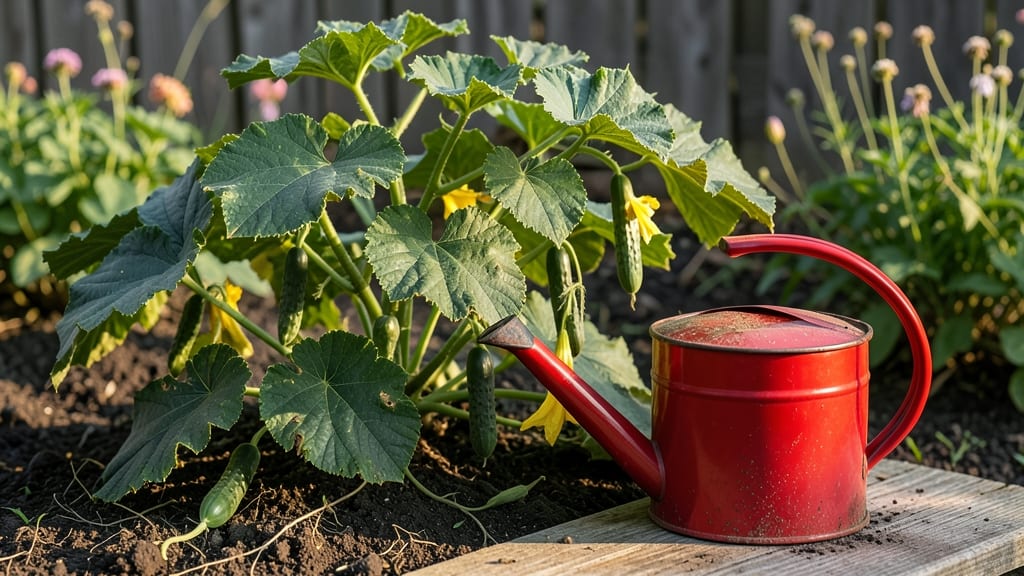
Cucumber plant leaves drooping? You’re not alone—this is the #1 summer crisis for vine crops. 🌿 I’ve nursed back more wilting cucumber plants than I can count, and the fix usually boils down to two things: watering habits or hidden stress. The good news?
Most droopy leaves bounce back within hours once you address the root cause. Start by checking the soil: stick your finger 1-2 inches deep. If it’s bone-dry, you’ve got underwatering—give the plant a deep drink at the base, not overhead.
If it’s soggy, you’re overwatering, and the roots are suffocating. Either way, mulch helps regulate moisture like a natural sponge. Heat stress? Move the plant to afternoon shade for a few days. Within 24 hours, you’ll see leaves perk up if the fix was right.
The key is consistency—cucumbers hate extremes, whether too much or too little water. Once revived, keep soil evenly moist and watch for pests lurking in stressed plants. This works for both container and in-ground cucumbers. Let’s troubleshoot step by step—no guesswork, just results.
Root Causes Behind Wilting Cucumber Leaves
Understanding why your cucumber plant’s leaves are drooping starts with diagnosing the hidden stressors at play. While wilting can look the same, the underlying triggers vary—from thirsty roots to unseen pests. Below, we break down the most common culprits and the science behind their damage.
Cucumbers thrive in consistently moist but well-drained soil, but too much water suffocates roots by cutting off oxygen. When roots drown, they can’t absorb nutrients or water efficiently, leading to wilting even when the soil feels wet.
- Why it happens:
- Waterlogged soil triggers anaerobic conditions, where roots struggle to respire (breathe).
- Fungal diseases like Pythium or Phytophthora exploit soggy soil, clogging root cells and disrupting water transport.
- Salt buildup from over-fertilized or hard water accumulates in the root zone, further stressing the plant.
- Actionable signs:
- Yellowing leaves (especially lower ones) paired with mushy stems when squeezed.
- Soil smells sour or rotten—a classic red flag.
- Drooping persists even after watering (roots are too damaged to recover quickly).
Cucumbers are 95% water by weight, and when soil dries out too quickly, leaves wilt as a water-conservation response. High temperatures also increase transpiration rates, pulling moisture from leaves faster than roots can replenish it.
- Why it happens:
- Low soil moisture causes stomatal closure (tiny leaf pores) to prevent water loss, but this halts photosynthesis.
- Heat stress (above 90°F/32°C) denatures enzymes in the plant’s vascular system, slowing water transport.
- Shallow root systems (common in young plants) can’t reach deep moisture reserves during droughts.
- Actionable signs:
- Crispy, dry leaf edges (unlike fungal wilting, which stays soft).
- Soil pulls away from the pot edges or feels bone-dry 1–2 inches deep.
- Wilting improves slightly after watering but returns quickly in heat.
Hidden invaders like squash vine borers, aphids, or powdery mildew sap nutrients and block water flow. Even root-knot nematodes (microscopic worms) create galls that disrupt the plant’s plumbing system.
- Why it happens:
- Vascular-blocking pests (e.g., spider mites) pierce leaf cells, causing plasmolysis (cell dehydration).
- Fungal infections (like downy mildew) clog xylem vessels, the plant’s "straws" for water transport.
- Root damage from grubs or nematodes reduces water uptake by up to 50% in severe cases.
- Actionable signs:
- Sticky residue (honeydew) or white webbing on undersides of leaves (aphids/spider mites).
- Dark, sawdust-like frass near the stem base (vine borer larvae).
- Yellow patches that spread rapidly (fungal diseases).
A lack of potassium (K), magnesium (Mg), or calcium (Ca) weakens the plant’s osmoregulation—its ability to balance water pressure in cells. Too much nitrogen (N) without enough phosphorus (P) can also lead to floppy, weak growth.
- Why it happens:
- Potassium deficiency disrupts stomatal function, causing leaves to wilt even with adequate water.
- Calcium deficiency leads to blossom-end rot in fruits and weak cell walls, making leaves prone to wilting.
- Magnesium deficiency (common in alkaline soils) blocks chlorophyll production, reducing the plant’s energy to regulate water.
- Actionable signs:
- Yellowing between leaf veins (magnesium deficiency).
- Brown, dead spots on older leaves (potassium deficiency).
- New growth wilts immediately after watering (calcium deficiency).
Windburn, harsh sunlight, or mechanical damage (like rough handling) can rupture plant cells, causing osmotic imbalance and wilting. Even sudden temperature drops (e.g., cold nights) shock cucumbers into a defensive wilt.
- Why it happens:
- Wind desiccation strips the cuticle layer (the plant’s "skin"), increasing water loss.
- Sun scorch (from direct midday sun) overheats leaves, causing protein denaturation in cells.
- Physical trauma (e.g., bending stems) crushes phloem vessels, disrupting sugar and water transport.
- Actionable signs:
- Scorched, papery leaf edges (sunburn).
- Wilting only on exposed sides of the plant.
- Leaves feel leathery or brittle to the touch.
Compacted soil, root-bound pots, or poor pH levels restrict root growth, limiting the plant’s ability to anchor and hydrate itself.
- Why it happens:
- Clay or hardpan soil compresses roots, reducing aeration and water infiltration.
- Root-bound plants (circling roots in small pots) strangle themselves, cutting off nutrient flow.
- pH imbalances (below 6.0 or above 7.0) lock out essential nutrients like iron or phosphorus.
- Actionable signs:
- Roots growing out of drainage holes (root-bound).
- Slow recovery after watering (roots can’t absorb efficiently).
- Stunted growth despite regular feeding.
Quick fixes for reviving wilted vines
Reviving your cucumber plant’s drooping leaves starts with identifying the root cause—and then taking action fast! Below are practical, step-by-step solutions tailored to each common issue, plus pro tips to keep your vines thriving long-term.
Signs: Yellowing leaves, soggy soil, slow wilting (not crispy).
How to Fix It: 🔥 Step 1: Pause Watering Immediately Stop adding water until the top 1–2 inches of soil feel dry to the touch. Overwatering suffocates roots by cutting off oxygen.
🍳 Step 2: Improve Soil Drainage
- Mix in perlite, coarse sand, or compost (20% of the soil volume) to aerate the roots.
- If potted, drill drainage holes if missing and elevate the pot to prevent waterlogging.
👨🍳 Step 3: Repot if Needed If soil stays soggy for days, transplant your cucumber to a larger pot with fresh, well-draining potting mix. Gently loosen roots before replanting.
🥘 Step 4: Adjust Watering Habits
- Water deeply but infrequently: Aim for 1–1.5 inches per week (check with a trowel—soil should be moist but not wet).
- Water at the base, avoiding leaves to prevent fungal diseases.
- Use a moisture meter for precision (especially in hot climates).
💡 Prevention Tips: ✔ Test your soil with a DIY moisture test: Press your finger 1 inch deep—if it’s damp, wait before watering. ✔ Choose containers with drainage—terracotta pots help wick away excess moisture. ✔ Mulch around the base with straw or wood chips to regulate soil temperature and reduce evaporation.
Signs: Crispy, brown leaf edges; soil pulls away from pot sides; wilting that worsens in heat.
How to Fix It: 🔥 Step 1: Hydrate Deeply
- Soak the root zone with 1–2 gallons of water (for potted plants) until it drains from the bottom.
- For in-ground plants, water slowly at the base for 10–15 minutes to encourage deep root absorption.
🍳 Step 2: Provide Shade Relief
- Move potted plants to a shadier spot (e.g., under a 30% shade cloth) for 3–5 days to reduce transpiration.
- Use reflective mulch (white plastic or aluminum foil) around the base to bounce back sunlight.
👨🍳 Step 3: Boost Humidity Cucumbers love humidity! Place a shallow tray of water near the plant or mist leaves early in the morning (avoid evening to prevent fungal growth).
🥘 Step 4: Adjust Watering Schedule
- Morning watering is key: Aim for early AM to let foliage dry before nightfall.
- Drip irrigation (set to 2–3 times/week) is better than overhead sprinklers.
💡 Prevention Tips: ✔ Group plants together to create a microclimate with higher humidity. ✔ Use self-watering pots or oasis bags for consistent moisture in extreme heat. ✔ Avoid pruning during heatwaves—stress compounds wilting.
Signs: Leaves droop despite proper watering; roots circle the pot or poke out of drainage holes.
How to Fix It: 🔥 Step 1: Check Root Health Gently remove the plant from its pot and inspect roots. Healthy roots are white or tan; rotted roots are mushy and black.
🍳 Step 2: Repot Up
- Choose a pot 2–3 inches larger in diameter with fresh potting mix.
- Loosen tangled roots with your fingers before replanting to encourage outward growth.
👨🍳 Step 3: Fertilize Lightly After repotting, use a balanced, water-soluble fertilizer (10-10-10) at half strength to avoid burning new roots.
🥘 Step 4: Prune Aggressively (If Needed) If roots are severely damaged, trim back 1/3 of the foliage to reduce the plant’s water demands while roots recover.
💡 Prevention Tips: ✔ Repot every 1–2 years or when roots fill 70% of the pot. ✔ Use fabric grow bags for better root aeration and natural pruning. ✔ Train vines upward with a trellis to save space and reduce root competition.
Signs: Sticky residue, holes in leaves, fungal spots, or sudden wilting with no soil issues.
How to Fix It: 🔥 Step 1: Identify the Culprit
- Aphids/spider mites: Tiny webs or clusters on undersides of leaves.
- Fungal disease (e.g., powdery mildew): White powdery patches.
- Root-knot nematodes: Gnarled, stunted roots.
🍳 Step 2: Treat Pests Organically
- Spray with neem oil (1 tbsp + 1 quart water + a drop of dish soap) every 5–7 days for 2–3 weeks.
- Release beneficial insects: Ladybugs or lacewings eat aphids naturally.
- For nematodes: Soak roots in 1% hydrogen peroxide solution (30 mins) before repotting.
👨🍳 Step 3: Fungal Disease Remedies
- Remove infected leaves and dispose of them in the trash (not compost).
- Apply copper fungicide or a baking soda spray (1 tsp baking soda + 1 quart water + a drop of soap).
- Improve airflow: Space plants 18–24 inches apart and prune for better circulation.
🥘 Step 4: Sterilize Tools & Soil
- Clean pruners with rubbing alcohol between cuts.
- Replace top 2 inches of soil with fresh, sterile mix to break disease cycles.
💡 Prevention Tips: ✔ Rotate crops—don’t plant cucumbers in the same spot yearly. ✔ Water at the base to keep foliage dry and discourage fungal spores. ✔ Inspect new plants for pests before bringing them home.
Final Pro Tip: 🌱 Monitor your plant’s recovery for 7–10 days after treating. If drooping persists, revisit the cause—sometimes nutrient deficiency (like lack of magnesium) mimics wilting. A quick Epsom salt soak (1 tbsp per gallon of water) can revive yellowing leaves fast!
Frequently asked questions
Why do my cucumber leaves droop in the afternoon but perk up at night?
This is classic heat stress—cucumbers wilt when daytime temperatures exceed 90°F/32°C, causing rapid water loss through leaves. The plant conserves moisture overnight when it's cooler. To help, provide afternoon shade with a 30% shade cloth or move potted plants to a sheltered spot. Mulching with straw also keeps roots cooler.
Can I save my cucumber plant if the drooping started 3+ days ago?
It depends! If the drooping is from underwatering or heat stress, your plant may recover within 24–48 hours of proper care. However, if roots are rotted (from overwatering) or pests have taken over, recovery takes 7–10 days or may not happen. Check soil moisture and inspect leaves for pests—act fast if you see signs of disease or severe damage.
How do I tell if my cucumber plant is drooping from pests vs. water issues?
Pests cause uneven wilting—look for sticky residue (honeydew), tiny webs, or holes in leaves. Water issues affect the whole plant: overwatering = yellowing + soggy soil; underwatering = crispy edges + dry soil. Flip leaves to check for aphids or spider mites—if you see them, neem oil spray can help within 5–7 days.
Will pruning drooping leaves help my cucumber plant recover?
Only prune if the wilting is from root damage or severe pest infestation. Trimming 1/3 of the foliage reduces water demands while roots recover, but avoid pruning during heatwaves—it adds stress. Focus first on fixing the root cause (water, pests, or nutrients) before pruning. Healthy leaves will regrow within 2–3 weeks if conditions improve.