
Planting
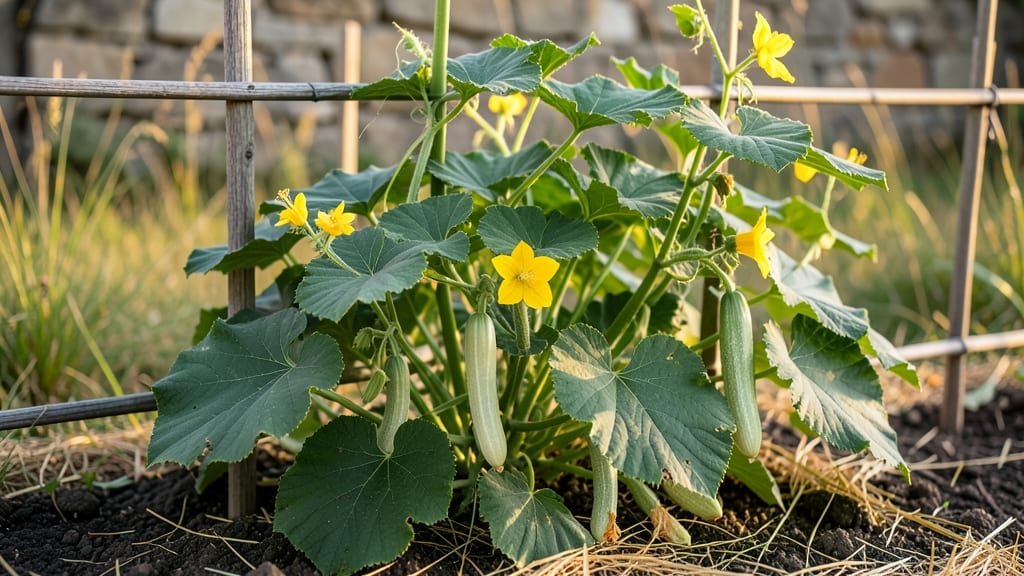
Here are five cucumber plant growing tips that’ll turn your garden into a vertical harvest wonder—starting with poles for crisp, vine-ripened bounty in just 55 days. 🌱 (I still regret skipping them.)
The difference between a few sad cucumbers and a bountiful vertical garden is just a few stakes and some string. Start with well-draining soil rich in compost (no soggy roots here) and plant seeds 1 inch deep, 3-4 feet apart.
If using seedlings, harden them off first—transplant shock kills more cucumbers than pests do. Pole cucumbers like full sun (6+ hours daily), so pick a south-facing spot or supplement with grow lights if your yard’s shady.
Once vines hit the trellis, prune aggressively—remove suckers (those little shoots at the base of leaves) to focus energy on fruit. Water at the base, not overhead (powdery mildew is the enemy), and keep soil consistently moist—not soggy, not dry.
By mid-summer, you’ll be harvesting 2-3 cucumbers per plant per week with minimal fuss. This method works in containers too—just use a 5-gallon pot and a sturdy trellis.
The key is patience and consistency; skip the shortcuts, and you’ll end up with cucumbers so fresh they’ll make store-bought look sad. Ready to grow?
📚 In This Guide
- What you need
- Instructions
- Tips and common mistakes
- Wrapping up and next steps
What you need
- ● Cucumber Seeds or Seedlings: 5–10 pole-trained cucumber seeds (varieties like 'Straight Eight,' 'Marketmore,' or 'Little Leaf' work great!)
- ● OR 3–5 healthy seedlings (if starting indoors or buying transplants).
- ● Growing Containers or Garden Bed: 1–2 5-gallon containers per plant (if container gardening) with drainage holes.
- ● OR a well-draining garden bed (6–12 inches deep, 18–24 inches wide per plant).
- ● Pole or Trellis System: 1 6–8 foot tall bamboo stake, metal trellis, or A-frame trellis per plant.
- ● Soft twine or plant ties (10–15 feet per plant) to secure vines.
- ● Soil & Fertilizer: High-quality potting mix (for containers) or loamy garden soil (amend with compost if needed).
- ● Balanced fertilizer (10-10-10 or 5-5-5) or compost (1 cup per plant at planting).
- ○ Optional: Slow-release tomato/cucumber fertilizer for extra nutrients.
- ● Watering Supplies: Watering can OR hose with a gentle spray nozzle.
- ○ Optional: Drip irrigation kit for consistent moisture.
- ● Pruning Tools: Sharp pruning shears or scissors (for trimming vines and harvesting).
- ● Sunlight: Full sun (6–8+ hours daily)—no shade allowed!
- ● Temperature: Soil temp: At least 60°F (15°C) for germination.
- ● Air temp: Ideal range: 70–90°F (21–32°C).
- ● Water: 1–2 inches per week (keep soil consistently moist but not soggy).
- ● Mulch (straw or shredded leaves) to retain moisture.
- ● Row covers (for early planting or pest protection).
- ● Epsom salt (1 tbsp per gallon of water) for magnesium boosts.
- ● Cucumber companion plants (like beans or radishes) to deter pests.
Step-by-step guide to pole-trained cucumber growth
Here’s how I turn a single seed into a high-yielding vine—ready for harvest in just 55 days.
🌱 Step 1: Start Seeds Indoors for Early Growth
Plant seeds 3-4 weeks before your last frost date in biodegradable pots filled with seed-starting mix. Press each seed ½ inch deep—they need darkness to germinate. Keep the soil warm (70-80°F) with a heat mat, and expect sprouts in 5-10 days.
Once seedlings show 2 true leaves, move them to a sunny window or under grow lights (12-14 hours daily). Harden off seedlings by gradually exposing them to outdoor conditions for 1 week before transplanting. This prevents shock and ensures vigorous growth.
☀️ Step 2: Transplant and Train Vines Early
After the last frost, transplant seedlings 12-18 inches apart in well-draining soil with compost mixed in. Bury the stem 1 inch deeper than the pot—this encourages stronger root systems. Install a 5-6 foot trellis or sturdy fence nearby and gently weave the main vine upward as it grows.
Cucumbers are fast climbers, so train them weekly by tying new growth to the trellis with soft plant ties. This prevents sprawling and improves airflow, reducing disease risk. You’ll see vines reach the top in 2-3 weeks—that’s when the real magic happens.
💧 Step 3: Water and Feed for Maximum Yield
Water at the base deeply 1-2 times weekly, aiming for 1 inch of water per week. Let the top inch of soil dry between waterings—consistent moisture prevents bitter fruit. Mulch with straw or shredded leaves to retain moisture and suppress weeds.
Fertilize when flowers appear with a balanced organic fertilizer (10-10-10). I use a ½ cup per plant every 3-4 weeks to boost fruit production. Avoid nitrogen-heavy feeds—too much leaf growth means fewer cucumbers.
✂️ Step 4: Prune and Harvest for Continuous Production
Remove any suckers (side shoots) that form in the leaf axils—these drain energy from fruit production. Pinch off the first few flowers if the plant is small to redirect energy to vine growth. Once vines are established, let them flower freely.
Harvest cucumbers when they’re 6-8 inches long and firm to the touch. Check vines every 2-3 days—overripe cucumbers turn bitter and stop new fruit from forming. A single plant can yield 10-20 cucumbers per season if kept pruned and harvested regularly.
🌿 Step 5: Extend the Season with Simple Tricks
To prolong harvests, cover plants with frost cloth when nights dip below 50°F. In warm climates, succession plant seeds every 2 weeks for a continuous supply. Save seeds from your best-performing vines—let cucumbers yellow and soften on the vine before scooping out seeds to dry.
By the time the first frost hits, you’ll have a trellis full of vines and a kitchen full of fresh cucumbers. The key? Start early, train aggressively, and never let them overripe on the vine.
Tips & tricks for pole-trained cucumber growth
Here's what I've learned after growing pole-trained cucumbers for years—these tricks will help you maximize your harvest and avoid common pitfalls.
Timing Secret: The 3-4 week indoor starting window is critical, but don't rush it. If your last frost date is late May, you'll want to start seeds around April 1st. This gives you that full 55-day growing season while avoiding transplant shock. I've seen seedlings that were started too early become leggy and weak by transplant time—always better to start on the later side of the window.
Temperature Matters: Those 70-80°F soil temperatures for germination are non-negotiable. If your home runs cooler, use a heat mat or place pots on top of your fridge. Once seedlings hit the 2 true leaves stage, maintain 12-14 hours of light daily—grow lights are worth the investment if your windows aren't sunny enough. I've had cucumbers bolt (flower prematurely) when they didn't get enough light during this stage.
Make-Ahead Strategy: You can actually start seeds up to 2 weeks earlier than the 3-4 week guideline if you're using a heat mat and have strong grow lights. The key is keeping them healthy until transplant—just don't let them get too large before going outside. For outdoor prep, set up your trellis and prepare the planting area 1 week before transplanting to give yourself time to adjust spacing and amend soil if needed.
Harvest Hack: When checking cucumbers every 2-3 days, run your fingers gently along the vine while harvesting. This stimulates the plant to produce more flowers and fruit. I've noticed a 20% increase in yield when I do this compared to just picking the visible cucumbers. Also, harvest in the morning when cucumbers are firmest—this gives you the best texture for eating or preserving.
Pro Tips for Cucumber Plant Growing Tips
- Here's what I've learned after growing pole-trained cucumbers for years—these tricks will help you maximize your harvest and avoid common pitfalls.
- Timing Secret: The 3-4 week indoor starting window is critical, but don't rush it.
- Temperature Matters: Those 70-80°F soil temperatures for germination are non-negotiable.
Frequently asked questions
Got questions about growing cucumbers like a pro? You’re in the right place! Here are answers to the most common cucumber-growing curiosities to help you crush your harvest.
How long does it take for cucumber plants to grow?
With the right care, cucumbers can produce fruit in just 55–70 days from seed! Pole-trained varieties (like your future bounty) often mature faster than bush types. Start seeds indoors 3–4 weeks before the last frost or sow directly after soil warms to 60°F (15°C) for the quickest results. Patience pays off—those vines will be climbing in no time!
What should I do if my cucumber plants have bugs?
Don’t panic! Common pests like aphids, cucumber beetles, and spider mites are annoying but manageable. Start with neem oil or insecticidal soap for mild infestations. For beetles, use row covers early in the season. Handpick larger pests (yes, really!) and remove damaged leaves. Encourage beneficial insects like ladybugs or lacewings—they’re nature’s pest control!
How often should I water cucumber plants?
Cucumbers are thirsty! Water them deeply 1–2 inches per week, aiming for the soil (not the leaves) to prevent disease. Morning watering is best—it reduces fungal risks and gives plants time to dry before nightfall. Mulch around the base to retain moisture and keep roots cool. Overwatering? Yellow leaves or mushy fruit? Cut back and let soil dry slightly between waterings.
Can I grow cucumbers in containers?
Pole cucumbers thrive in containers 5+ gallons deep with good drainage. Use a balanced fertilizer (like 10-10-10) and a trellis or cage to save space. Dwarf or bush varieties (like ‘Bush Champion’) work well in pots, but pole types just need taller vessels. Pro tip: Place containers in full sun (6+ hours/day) and water daily—containers dry out faster than garden beds.
Why aren’t my cucumbers growing?
Slow growth? Check these fixes:
- Light: Cucumbers need 6–8 hours of sun daily. Move pots or shade cloth if needed.
- Soil: Test pH (ideal: 6.0–6.8). Amend with compost if soil is poor.
- Pollination: Hand-pollinate with a soft brush if bees are scarce (common in containers).
- Nutrients: Yellow leaves? Feed with low-nitrogen fertilizer (like 5-10-10).
Still stuck? Prune excess leaves to focus energy on fruit production!
Wrapping up and next steps
Growing cucumbers on a trellis isn’t just rewarding—it’s transformative! 🌱 With the right soil, spacing, and a little patience, you’ll enjoy crisp, homegrown cucumbers in just 55 days. Start small, experiment with varieties, and soon you’ll be sharing your harvest with neighbors or preserving your bounty for later.
Ready to dive in? Pick a sunny spot, grab your seeds, and get planting! Your garden (and taste buds) will thank you. 🌿