
Pests and Diseases
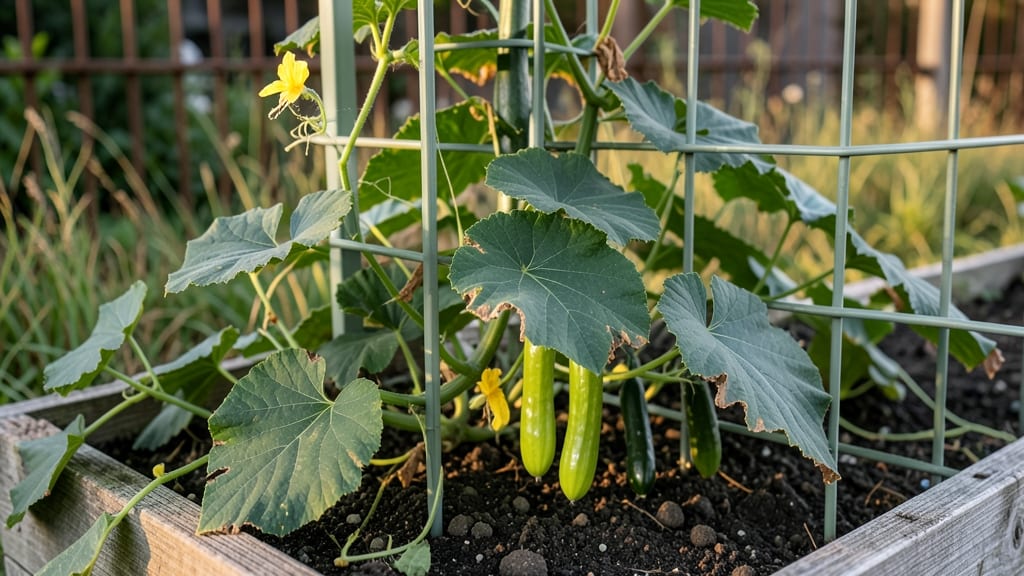
Your cucumber leaves wilting doesn’t mean the plant is doomed—it’s usually a fixable sign your vines need a quick tune-up. 🌱 I’ve revived more than a dozen wilting cucumbers by addressing the real culprit: whether it’s thirst, pests, or hidden disease.
The key is acting fast before the problem spreads to the fruit. Most wilting starts with overwatering or underwatering—both stress plants the same way. Check the soil 1 inch down: if it’s soggy, cut back; if bone-dry, water deeply at the base. Yellowing leaves paired with wilting?
That’s often powdery mildew or bacterial wilt, which need different fixes than simple hydration. Within 24-48 hours of correcting the issue, you’ll see leaves perk up again. Prune any severely damaged foliage to redirect energy, and boost growth with a balanced fertilizer if the soil looks exhausted.
The goal is to keep those vines strong and productive—not just alive. Prevention is easier than rescue: space plants properly, use mulch to retain moisture, and rotate crops yearly. Still unsure what’s wrong? Snap a photo of the wilting and undersides of leaves—I’ll help you diagnose it further.
Understanding the Root Causes
When your cucumber leaves start wilting, it’s often your plant’s way of signaling distress. But what’s really going on? Let’s break down the most common reasons behind this frustrating sight, so you can diagnose the issue like a pro.
Cucumbers thrive on consistency—too much or too little water can both trigger wilting. Here’s why:
- Underwatering 💧: Cucumbers have shallow roots and need 1–1.5 inches of water per week (more in extreme heat). When soil dries out, leaves lose turgor pressure (the water-filled rigidity that keeps them upright), causing them to droop.
Check soil moisture by sticking your finger 1 inch deep—if it’s dry, it’s time to water. - Overwatering 🌧️: While cucumbers love moisture, soggy soil cuts off oxygen to roots, leading to root rot (a fungal disease that kills roots).
This prevents water uptake, causing wilting even when soil is wet. Pro tip: Use a moisture meter or the "squeeze test"—if water drips out, hold off on watering.
Actionable fix: Water deeply early in the morning (6–9 AM) to reduce evaporation, and ensure pots/drainage have holes to prevent waterlogging.
Cucumbers are cool-season crops and struggle in scorching temperatures (above 90°F/32°C). Here’s how heat wreaks havoc:
- Transpiration overload 🌡️: In extreme heat, leaves lose water faster than roots can absorb it, leading to midday wilting.
This is normal but reversible—leaves perk up in cooler evenings. - Sunburn ☀️🔥: Young or thin leaves can develop white/yellow patches (necrosis) from too much direct sun, weakening their structure. This often starts with edge browning before full wilting.
Actionable fix:
- Provide afternoon shade (use shade cloth or dappled sunlight).
- Mulch with straw or grass clippings to keep roots cool.
- Avoid planting cucumbers in full sun during peak summer—opt for partial shade if temperatures soar.
Wilting can also be a hunger cry for essential nutrients. Here’s what your cucumbers might be missing:
| Nutrient | Deficiency Signs | Why It Causes Wilting |
|---|---|---|
| Nitrogen (N) | Pale yellow leaves (chlorosis), stunted growth | Weakens leaf structure; can’t maintain turgor. |
| Potassium (K) | Yellowing leaf edges, weak stems | Regulates water balance; deficiency = poor uptake. |
| Calcium (Ca) | Crinkled, curled leaves, blossom-end rot | Prevents cell wall strength; leaves collapse. |
| Magnesium (Mg) | Interveinal yellowing (between veins) | Chlorophyll production drops; leaves wilt faster. |
Actionable fix:
- Test your soil (DIY kits or lab tests) to identify deficiencies.
- Add compost or a balanced fertilizer (10-10-10) at planting.
- For potassium, use banana peels (steep in water for 24 hours) or wood ash.
- For calcium, sprinkle crushed eggshells or use lime.
Sometimes, unseen invaders are to blame. Watch for these culprits:
- Aphids & Spider Mites 🕷️: These sap-suckers inject toxins that cause leaves to curl and wilt. They also block stomata (leaf pores), reducing water absorption. - Powdery Mildew 🍄: A fungal disease that coats leaves in a white powder, clogging pores and preventing gas exchange.
Infected leaves yellow and wilt from lack of photosynthesis. - Root-Knot Nematodes 🐛: Microscopic worms that feed on roots, causing them to rot and shrink. Roots can’t absorb water, leading to sudden wilting (even with wet soil).
Actionable fix:
- Inspect leaves daily—look for sticky residue (aphids), webbing (mites), or white powder (mildew).
- Spray neem oil (1 tsp per liter of water) to deter pests.
- Rotate crops yearly to break nematode cycles.
- Improve airflow (prune crowded vines) to prevent mildew.
Even without pests or poor care, physical trauma can cause wilting:
- Windburn 🌬️: Strong winds desiccate leaves by increasing evaporation.
Young plants are especially vulnerable. - Transplant Shock 🌱: Moving cucumbers (even repotting) can damage roots, halting water uptake for 3–7 days. - Overpruning ⚔️: Cutting too many leaves reduces photosynthesis, weakening the plant’s ability to sustain itself.
Actionable fix:
- Stake or trellis cucumbers to protect from wind.
- Water deeply before transplanting and avoid moving plants in full sun.
- Prune strategically—remove only yellow or diseased leaves (never more than 1/3 of the foliage at once).
Sometimes, unexpected factors throw cucumbers off balance:
- Salt Buildup 🧂: Over-fertilizing or using hard water causes salt crust on soil, which burns roots and blocks water absorption. - Cold Drafts ❄️: Cucumbers hate temperatures below 50°F/10°C.
A sudden chill can shock roots, causing wilting until they recover. - Poor Drainage 🚫💦: Compacted or clay-heavy soil traps water, suffocating roots and leading to anaerobic stress (roots can’t breathe).
Actionable fix:
- Flush soil with water to leach out excess salts.
- Use raised beds or container pots for better drainage.
- Mulch heavily (3–4 inches) to insulate roots from cold snaps.
Final Note: Wilting isn’t always a death sentence—act fast to identify the cause, and your cucumbers can often bounce back! 🌿💪
Revive Your Cucumber Plants Fast
Wilted cucumber leaves can feel like a gardener’s worst nightmare, but don’t toss your plants just yet! The good news is that most causes of wilting—whether it’s underwatering, overwatering, pests, or disease—have simple fixes.
Below, we’ll break down the most common culprits and show you how to nurse your cucumbers back to health, plus how to keep them thriving long-term.
Symptoms: Yellowing leaves, mushy stems, or leaves wilting despite soggy soil.
How to Fix It:
- Stop Watering Immediately 🚰
- Let the soil dry out for a few days. Overwatering suffocates roots and invites fungal diseases like Fusarium or Phytophthora.
- Check Your Drainage 🏗️
- If your pots or garden bed have poor drainage, add perlite, sand, or compost to loosen the soil. For containers, ensure they have drainage holes.
- Repot if Necessary 🌱
- If roots are rotting (black, smelly, or mushy), trim the damaged parts with sterilized scissors and repot in fresh, well-draining soil.
- Water Smarter 💧
- Cucumbers need 1–1.5 inches of water per week, but they hate soggy feet. Water deeply in the morning and avoid wetting leaves to prevent disease.
Prevention Tips: ✅ Use a moisture meter to check soil before watering. ✅ Mulch around plants to retain moisture without over-saturating roots. ✅ Avoid watering at night—cool, damp conditions encourage fungal growth.
Symptoms: Crispy, dry edges on leaves, wilting that worsens in the heat.
How to Fix It:
- Give Them a Deep Drink 💦
- Water thoroughly until it drains from the bottom of the pot or flows 6 inches into the soil. Repeat every 2–3 days in hot weather.
- Shade Cloth to the Rescue ☀️
- If temperatures exceed 90°F (32°C), provide 30–50% shade with a lightweight cloth. Cucumbers are tropical—they hate scorching sun.
- Mulch Heavily 🌿
- Spread 2–3 inches of straw or wood chips around the base to lock in moisture and cool the roots.
Prevention Tips: 💡 Water in the early morning to reduce evaporation. 💡 Group plants together to create a microclimate with higher humidity. 💡 Use drip irrigation for consistent moisture without wetting leaves.
Symptoms: Wilting paired with holes, chewed leaves, or sticky residue (aphids, cucumber beetles, or spider mites).
How to Fix It:
- Blast Off Pests 🚀
- Handpick large beetles or worms. For mites, spray with a soapy water solution (1 tsp mild soap per quart of water).
- Neem Oil Spray 🌿
- Mix 1 tbsp neem oil + 1 tsp dish soap + 1 quart water, spray undersides of leaves, and repeat every 5–7 days.
- Row Covers for Protection 🛡️
- Use floating row covers to block pests while allowing sunlight and water through.
Prevention Tips: ✨ Plant companion crops like nasturtiums or marigolds to repel pests. ✨ Rotate crops yearly to disrupt pest life cycles. ✨ Inspect plants daily—catch infestations early!
Symptoms: Wilting with yellow spots, mold, or oozing stems (powdery mildew, downy mildew, or bacterial wilt).
How to Fix It:
- Prune Infected Leaves ✂️
- Remove all diseased foliage and dispose of it in the trash (not compost). Sterilize pruners with rubbing alcohol.
- Fungicide Treatment 💊
- Spray with copper fungicide or a baking soda mix (1 tbsp baking soda + 1 quart water + a drop of soap). Reapply every 7–10 days.
- Improve Airflow 🌬️
- Space plants 18–24 inches apart and avoid overhead watering to dry leaves quickly.
Prevention Tips: 🌡️ Water at soil level (use a watering wand or drip system). 🎯 Remove old plant debris from the garden at season’s end. 🔥 Rotate crops to prevent soil-borne pathogens from building up.
Symptoms: Wilting after repotting or in small containers, with roots circling the pot.
How to Fix It:
- Repot into Larger Containers 🏺
- Choose a pot 2–3 inches wider than the current one, with fresh potting mix. Gently loosen roots before transplanting.
- Root Stimulator Boost 💪
- Add mycorrhizal fungi or a rooting hormone to the new soil to encourage growth.
Prevention Tips: 🌱 Upgrade pots every season—cucumbers need room to sprawl. 🌱 Hardening off seedlings before planting reduces shock.
Final Pro Tip: 🌿 Wilting doesn’t always mean death! Even severely droopy cucumbers can bounce back with the right care. Monitor your plants closely, adjust your routine, and soon you’ll be harvesting crisp, thriving cucumbers instead of wilting leaves. Happy gardening! 🥒✨
Frequently asked questions
Why do my cucumber leaves wilt in the afternoon but recover at night?
This is completely normal and called midday wilting—cucumbers lose water faster than roots can absorb it in extreme heat (90°F+/32°C+afternoon shade with shade cloth (30-50%) and mulch heavily with straw to keep roots cool. Water deeply in the morning to give them a head start.
Can I still save my cucumbers if the wilting started with yellow spots and white powder?
That’s likely powdery mildew, but you can still save your plants! Prune all infected leaves immediately, then spray with a baking soda mix (1 tbsp baking soda + 1 quart water + 1 drop soap). Improve airflow by spacing plants 18-24 inches apart and water at soil level (not overhead). For severe cases, use copper fungicide every 7-10 days.
How do I tell if my cucumber plants are underwatered vs. overwatered?
Check the soil 1 inch deep—if it’s bone-dry, they’re thirsty (underwatered). If it’s soggy and smells musty, they’re drowning (overwatered). For underwatering, water until it drains 6 inches deep. For overwatering, stop watering for 3-5 days to let roots recover, then improve drainage with perlite or sand.
Will my cucumbers recover if I cut off all the wilting leaves?
Pruning wilting leaves helps redirect energy to healthy growth, but don’t remove more than 1/3 of the foliage at once. Focus on leaves with disease or severe damage—healthy wilting leaves can recover if you fix the root cause (water, pests, or heat). Sterilize your pruners with rubbing alcohol to prevent spreading disease.
Can I use coffee grounds to fix wilting cucumber leaves?
Coffee grounds can help long-term by adding nitrogen, but they won’t fix wilting immediately. For quick relief, use them as mulch (1 cup per plant) to improve soil structure, but pair them with proper watering and shade. Avoid fresh grounds—they can raise soil acidity too quickly, which may stress roots further.