
Planting
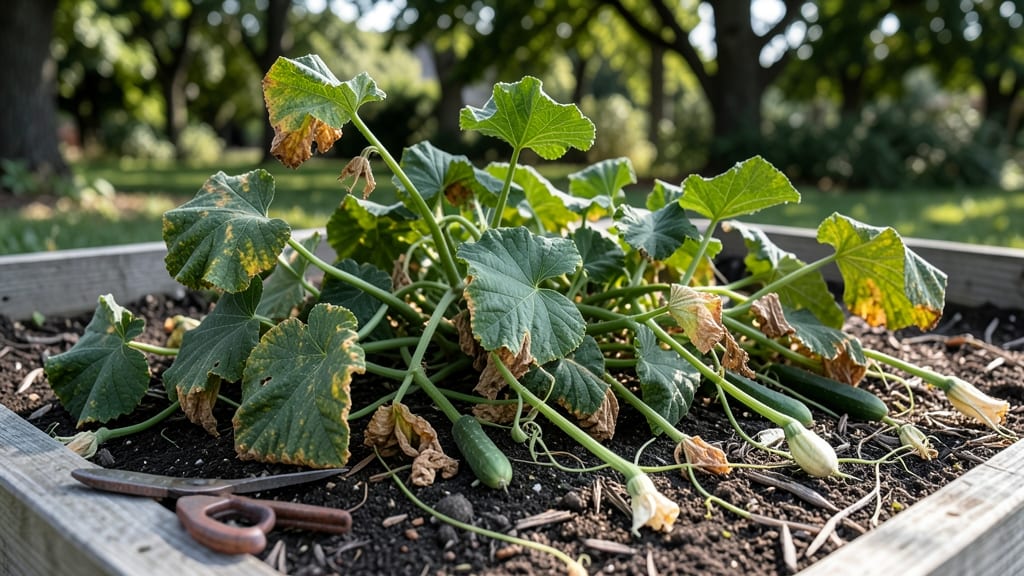
That wilted cucumber plant drooping in your garden isn’t just sad—it’s silently screaming for a rescue, and the good news? Most cases aren’t death sentences. Overwatering, pests, or even the wrong soil can turn a thriving vine into a sad puddle of green.
But with the right moves, you’ll see revival in just 3 days—no green thumb required.
First, check the soil: if it’s soggy, you’re drowning the roots; if it’s bone-dry, you’re starving them. Yellowing leaves? That’s usually overwatering or fungus. Tiny holes in stems? Bugs.
The fix starts with cutting back on water, trimming damaged foliage, and giving the plant shade until it perks up. Think of it like CPR for your cucumbers.
By tomorrow, you’ll see the first signs of life—stems standing taller, leaves firming up. Within 3 days, your plant should be back to its usual vigorous self, ready to produce crisp, cool cucumbers.
The key is acting fast and keeping an eye on moisture and pests. Once it’s revived, adjust your watering schedule to keep it thriving.
Prevention is easier than rescue: mulch to retain moisture, space plants for airflow, and watch for pests early. A healthy cucumber plant is a foolproof way to beat the heat and keep your kitchen stocked. Now, grab your shears and let’s get that vine back in action!
Root Causes Of Plant Wilting
When your cucumber plants start looking droopy and sad, it’s often a cry for help from the roots—or something even more surprising. Understanding the why behind the wilt is the first step to bringing them back to life.
Let’s dig into the most common culprits and what’s really making your plants throw in the towel.
Cucumbers love water, but too much of a good thing can be deadly. Overwatering suffocates roots by cutting off their oxygen supply, leading to root rot—a fungal infection that turns healthy roots into mushy, brown sludge.
Poor drainage (like heavy clay soil or containers without holes) traps excess moisture, accelerating the problem.
How to spot it:
- Yellowing leaves (starting at the bottom)
- Mushy, foul-smelling stems when pulled gently
- Wilting that worsens in humid conditions
Science behind it: Roots need oxygen to respire (yes, plants "breathe" too!). Waterlogged soil forces roots to switch to anaerobic respiration, producing toxic ethanol—a plant’s version of alcohol poisoning. Within days, roots die, and the plant wilts as it can’t absorb water or nutrients.
Cucumbers are sun-lovers, but extreme heat—especially paired with dry soil—can cause transpirational stress. When temperatures soar above 90°F (32°C), plants lose water faster than roots can replenish it, leading to midday wilting. Direct sun exposure can also scorch leaves, reducing their ability to photosynthesize and support the plant’s structure.
How to spot it:
- Wilting that happens during the hottest part of the day but recovers at night
- Brown or crispy leaf edges (sunburn)
- Stunted growth despite regular watering
Science behind it: High temperatures increase stomatal conductance—the rate at which leaves release water vapor. If the soil is dry, roots can’t keep up, causing temporary wilting. Prolonged stress leads to xylem cavitation, where air bubbles block water transport, making recovery harder.
Physical harm to roots—from digging, pests, or disease—disrupts the plant’s ability to absorb water and nutrients. Common offenders include:
- Root-knot nematodes: Microscopic worms that form galls on roots, reducing water uptake.
- Cutworms or slugs: They chew through stems or roots at night.
- Overzealous gardening: Accidental root damage from weeding or transplanting.
How to spot it:
- Wilting that starts suddenly and spreads unevenly
- Visible pests (slug trails, chewed stems, or tiny worms in soil)
- Roots that look gnarled, discolored, or missing when inspected
Science behind it: Roots are the plant’s lifeline. Damage reduces surface area for water absorption, triggering a hydraulic failure in the xylem (the plant’s water transport system). Without intervention, the plant wilts permanently within 24–48 hours.
Cucumbers are heavy feeders, and a lack of key nutrients—especially potassium, calcium, or magnesium—can weaken cell structure, leading to wilting. For example:
- Low potassium: Weakens cell walls, causing blossom-end rot (wilting and browning at leaf edges).
- Low calcium: Prevents proper cell division, leading to tip burn and structural collapse.
- Too much salt: From fertilizers or poor-quality water, which disrupts osmosis and dehydrates roots.
How to spot it:
- Wilting paired with yellowing between leaf veins (potassium deficiency)
- Brown, dead spots on older leaves (magnesium deficiency)
- Crispy leaf edges (calcium deficiency)
Science behind it: Nutrients like potassium regulate osmotic pressure in plant cells, maintaining turgor (the rigid, water-filled state that keeps stems upright). Without them, cells lose water and collapse, causing wilting. Over-fertilizing can also burn roots, making absorption impossible.
Now that you know the why, the good news? Most of these issues are reversible with targeted fixes. Stay tuned for our next section on quick revival steps to get your cucumbers perking up in just 3 days!
Revive Your Cucumber Plant Fast
A wilted cucumber plant doesn’t mean the end of your harvest—often, it’s just a cry for help! Whether your vines are drooping from thirst, disease, or pests, quick action can turn things around.
Below, we’ve mapped out practical fixes for the most common causes, along with prevention tips to keep your plants thriving. Let’s get those cucumbers perking up in 3 days or less!
Signs: Yellowing leaves, mushy stems, or soil that stays soggy for days.
How to Fix It: 🔥 Step 1: Stop Watering Immediately
- Let the soil dry out completely before watering again. Overwatering suffocates roots by cutting off oxygen.
🍳 Step 2: Improve Drainage
- If your pot lacks drainage holes, repot your cucumber into a container with holes. For in-ground plants, amend the soil with perlite or coarse sand to loosen compacted earth.
👨🍳 Step 3: Check the Roots
- Gently dig around the base to inspect for rotted roots (black, mushy, or foul-smelling). Trim away damaged roots with sterilized scissors and dust the cuts with cinnamon powder (a natural antifungal).
🥘 Step 4: Water Smartly
- Water deeply but infrequently—aim for 1–1.5 inches per week, letting the top 2 inches of soil dry out between waterings. Use a moisture meter to track soil dampness.
💡 Pro Tip: Mulch around the base with straw or wood chips to retain moisture without over-saturating the soil.
Signs: Crispy leaf edges, wilting that worsens in the afternoon, or soil pulling away from the pot.
How to Fix It: 🔥 Step 1: Water at the Right Time
- Morning is key! Water deeply before 10 AM to reduce evaporation. Avoid evening watering, as damp leaves invite fungal diseases.
🍳 Step 2: Increase Humidity
- Cucumbers love humidity. Place a shallow tray of water near the plant or mist leaves early in the day (avoid evenings). For container plants, move them to a humid spot like a greenhouse or under a shade cloth.
👨🍳 Step 3: Provide Temporary Shade
- If temps hit 90°F+ (32°C+), shield your plant with a lightweight shade cloth (30–50%) or a white umbrella for a few hours daily. Wilting from heat stress often reverses within 24–48 hours once cooled.
🥘 Step 4: Mulch Like a Pro
- Spread 2–3 inches of organic mulch (like grass clippings or shredded leaves) around the base to lock in moisture and keep roots cool.
💡 Pro Tip: Drip irrigation delivers water directly to roots, reducing waste and stress. If you’re hand-watering, use a watering wand for gentle, even coverage.
Signs: Chewed leaves, sticky residue (aphid honeydew), or tiny holes in stems.
How to Fix It: 🔥 Step 1: Identify the Culprit
- Common pests: Aphids, cucumber beetles, or spider mites. Shake leaves over a white sheet to spot them.
🍳 Step 2: Blast Them Away
- Spray with soapy water (1 tsp mild dish soap + 1 quart water) or neem oil (1 tbsp neem oil + 1 quart water + a drop of soap). Reapply every 3–4 days until pests vanish.
👨🍳 Step 3: Introduce Predators (If Safe)
- For aphids, release ladybugs or lacewings. For cucumber beetles, handpick them in the morning and drop them in soapy water.
🥘 Step 4: Prevent Future Attacks
- Row covers (fine netting) block beetles and mites. Crop rotation (don’t plant cucumbers in the same spot yearly) disrupts pest life cycles.
💡 Pro Tip: Plant companion herbs like basil or dill nearby—their scents repel pests naturally!
Signs: White powder on leaves (mildew), yellowing veins, or sudden wilting despite proper watering.
How to Fix It: 🔥 Step 1: Remove Infected Parts
- Snip off all diseased leaves with sterilized pruners and dispose of them in the trash (not compost). Bag them to prevent spores from spreading.
🍳 Step 2: Treat Fungally - For powdery mildew: Spray with a baking soda mix (1 tsp baking soda + 1 quart water + a drop of soap).
Repeat every 7–10 days. - For bacterial wilt: There’s no cure—remove the plant entirely to stop the spread. Sterilize tools with rubbing alcohol after use.
👨🍳 Step 3: Boost Airflow
- Prune nearby plants to improve circulation. If growing in containers, space them 12–18 inches apart.
🥘 Step 4: Prevent Recurrence
- Water at the base (avoid overhead spraying).
- Rotate crops annually—never plant cucumbers in the same spot if disease struck before.
- Solarize soil (cover with clear plastic for 4–6 weeks in summer) to kill pathogens.
💡 Pro Tip: Copper fungicide sprays (like Bonide Copper Fungicide) are effective for mildew but use them early—once disease sets in, prevention is harder.
Signs: Roots circling the pot, stunted growth, or wilting that doesn’t improve after watering.
How to Fix It: 🔥 Step 1: Check the Roots
- Gently remove the plant from its pot. If roots are dense and circling, it’s time to upgrade the container (choose one 2–3 inches larger in diameter).
🍳 Step 2: Repot with Care
- Use well-draining potting mix (add perlite or vermiculite). Loosen roots before replanting to encourage outward growth.
👨🍳 Step 3: Fertilize Lightly
- After repotting, wait 1–2 weeks before fertilizing. Use a balanced, water-soluble fertilizer (like 10-10-10) diluted to half strength.
🥘 Step 4: Support the Plant
- If transplant shock is severe, stake or trellis the cucumber immediately to reduce stress on the stem.
💡 Pro Tip: Root stimulator (like seaweed extract) can help recovery—mix 1 tbsp per gallon of water and apply at repotting.
To avoid future wilting, master these habits: ✅ Soil Test First – Ensure your soil drains well (aim for 6.0–6.8 pH). ✅ Water Wisely – Morning watering + mulch = happy roots. ✅ Monitor Pests Daily – 10-minute checks catch problems early. ✅ Rotate Crops – Avoid planting cucumbers in the same spot yearly. ✅ Use Row Covers – Blocks pests and extreme heat. ✅ Prune Regularly – Removes diseased leaves and improves airflow.
With these fixes, your cucumber plant should bounce back in 3 days or less—and with a little luck, you’ll be harvesting crisp, fresh cucumbers in no time! 🥒🌱
Frequently asked questions about wilted cucumber plants
Why does my cucumber plant wilt even when the soil feels moist?
This often signals root rot from overwatering or poor drainage. When roots can't breathe, they suffocate and stop absorbing water, making the plant wilt despite wet soil. Check for yellowing leaves or a foul smell—these are red flags. The fix? Let soil dry completely between waterings and improve drainage with perlite or sand.
Can I save a cucumber plant that's been wilting for over 3 days?
It depends on the cause! If roots are still firm (not mushy) and pests/disease aren't severe, you may revive it with 24–48 hours of proper care. Trim damaged leaves, adjust watering, and provide shade. However, if roots are rotted or the plant is completely limp, it's likely too late—start fresh with new seeds or cuttings.
How do I tell if wilting is from heat stress vs. underwatering?
Heat stress wilts plants during the day but recovers at night, while underwatering causes consistent drooping. Look for crispy leaf edges (heat) vs. uniformly dry soil (thirst). For heat stress, provide afternoon shade; for thirst, water deeply in the morning. Both issues need 1–1.5 inches of water weekly—just delivered differently!
Will pruning wilted leaves help my cucumber plant recover faster?
Removing severely wilted or yellow leaves redirects the plant's energy to healthy growth. Use sterilized scissors to cut just above a leaf node (where new growth emerges). Avoid pruning more than 20–30% of the plant at once to prevent shock. Focus on removing only the worst-affected foliage first.
Can I use coffee grounds to revive a wilted cucumber plant?
Coffee grounds can help—but only if your plant needs acidity or nutrients! Mix 1/4 cup per plant into the top inch of soil to boost nitrogen (great for recovery). However, they can compact soil if overused, worsening drainage. For wilting plants, prioritize fixing water/drainage issues first, then add coffee grounds as a supplement.