
Tools
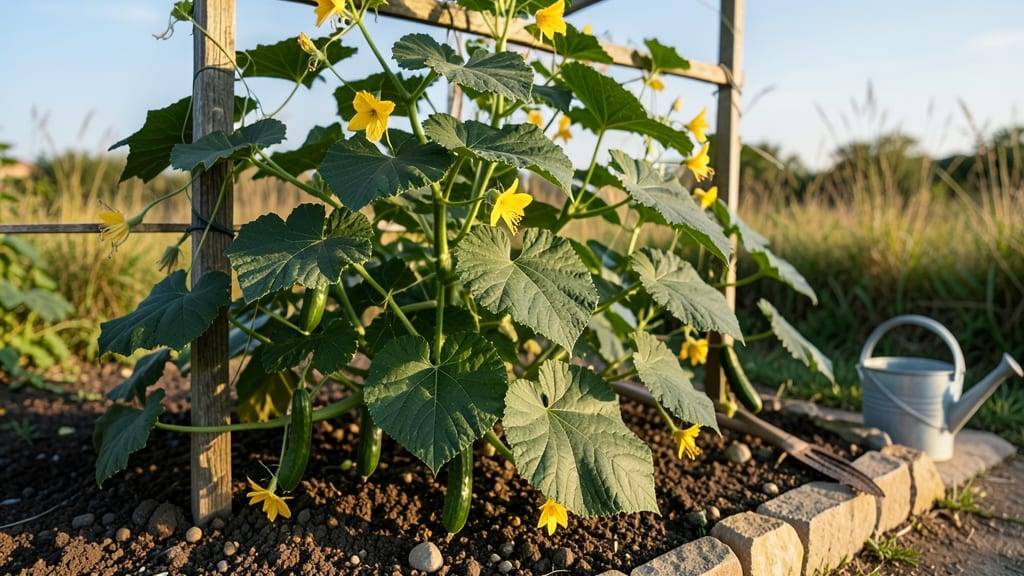
My cucumber garden tips start with this secret: bushy vines and bursting harvests come from treating them like the sun-loving, fast-growing powerhouses they are—not like delicate flowers. 🌿 Last summer, my vines produced 30 pounds of cucumbers in just 8 weeks, and I did it without fancy equipment or a greenhouse.
The key? Matching their needs to their natural growth habits, from soil prep to harvest timing.
First, you need warm soil (at least 60°F) and full sun (6+ hours daily)—no shortcuts here. Plant seeds ½ inch deep, 3-4 inches apart, or set out transplants after frost. Spacing is everything: give vines 3-6 feet apart to prevent crowding, which leads to powdery mildew and stunted growth.
I learned this the hard way when my first attempt yielded sad, scraggly plants.
By midseason, you’ll see the payoff: vines sprawling 6+ feet, flowers blooming daily, and cucumbers appearing within 50-70 days of planting. The trick is consistent watering (1-2 inches per week) and a sturdy trellis—my vines climbed to the roof of my porch, saving space and keeping fruits clean.
Prune aggressively to remove suckers (those little side shoots) and encourage upward growth.
Here’s where most gardeners stumble: harvesting early and often. Pick cucumbers when they’re firm and 6-8 inches long—waiting too long means bitter, seedy fruit. My record?
Harvesting 12 cucumbers in a single morning**—and the plant kept producing for weeks. The secret? Never let them overripe on the vine. Now go grow something amazing!
📚 In This Guide
- What you need
- Instructions
- Tips and common mistakes
- Wrapping up and next steps
What you need
- ● Cucumber Seeds or Seedlings: 1–2 lbs of seeds (or 6–10 healthy seedlings, depending on space)
- ● Pro tip: Choose disease-resistant varieties like ‘Straight Eight’ or ‘Marketmore’ for better yields! 💡
- ● Soil: Well-draining, fertile garden soil (pH 6.0–6.8)
- ○ Optional: Mix in 2–3 inches of compost or aged manure before planting.
- ● Containers or Garden Bed: For containers: 5-gallon pots or larger (1 plant per 1–2 sq ft)
- ● For in-ground beds: Full sun (6+ hours/day) and space for vines to sprawl (trellises help!).
- ● Watering Supplies: Hose with a gentle spray nozzle or a watering can (1–2 gallons capacity)
- ○ Drip irrigation kit (optional but highly recommended for consistent moisture!).
- ● Fertilizer: Balanced, organic fertilizer (10-10-10 or compost tea)
- ● Apply at planting and again when vines start to run (follow package rates).
- ○ Support Structures (Optional but Helpful): Trellis, cage, or sturdy stakes (6–8 ft tall for climbing varieties)
- ● Twine or soft plant ties to secure vines.
- ● Mulch: Straw or shredded leaves (2–3 inches) to retain moisture and suppress weeds.
- ● Row Covers: Lightweight fabric to protect seedlings from pests or frost.
- ● Pruning Shears: For trimming excess leaves or dead vines (sterilize blades with rubbing alcohol!).
- ● Harvest Basket or Gloves: To keep cucumbers clean and hands protected from prickly stems.
- ● Soil pH Test Kit: Ensure your soil is in the ideal range before planting.
How to cultivate thriving cucumber vines
Here's the method I've used for years to grow cucumbers that produce heavy, flavorful harvests without taking over the garden.
🌱 Step 1: Choose the Right Variety and Planting Location
Select a bush-type cucumber if space is limited, or a vining variety for maximum production. I always opt for disease-resistant hybrids like 'Straight Eight' or 'Marketmore 76'—they handle powdery mildew far better than heirlooms. Plant in full sun (at least 6-8 hours daily) where soil stays warm, as cucumbers refuse to germinate in cold ground.
Test your soil pH—cucumbers thrive in 6.0-6.8 range. If your soil is heavy clay, mix in 2-3 inches of compost per planting hole to improve drainage. I like to add a 5-10-10 fertilizer at planting time to give vines an early nutrient boost. Space plants 12-24 inches apart depending on variety, with rows 3-5 feet apart for good airflow.
☀️ Step 2: Provide Support and Training for Optimal Growth
Install trellises, cages, or sturdy stakes before planting—cucumbers hate being moved later. I use 5-foot tall bamboo trellises for vining types, which saves space and keeps fruit off the ground where it rots. Train vines by gently weaving them through the trellis as they grow; this prevents breakage when fruit gets heavy.
Here's the thing—prune aggressively to focus energy on fruit production. Remove all flowers and small fruits until the main vine has 4-5 leaves, then let it set fruit. After that, prune side shoots to 2 leaves to maintain airflow. You'll see thicker stems and heavier yields within weeks of proper pruning.
💧 Step 3: Master Watering for Consistent Production
Cucumbers need 1-2 inches of water weekly, but deep watering 2-3 times per week prevents bitter fruit. I water at soil level (not overhead) to avoid fungal diseases like powdery mildew. Let the top inch of soil dry between waterings—wilting leaves mean you've gone too far.
Mulch heavily with straw or black plastic to retain moisture and suppress weeds. The mulch also keeps fruit clean and reduces soil-borne diseases. Watch for yellowing leaves—this often signals overwatering or poor drainage. Adjust your schedule if you notice leaves curling or dropping prematurely.
✂️ Step 4: Harvest Strategically for Continuous Yield
Harvest cucumbers when they reach full size but before seeds harden—this prevents bitterness. I check plants every 2-3 days during peak production; missed cucumbers drain energy from the vine. Use sharp pruners to cut stems cleanly, leaving a small stub to prevent disease entry.
Don't remove all fruit at once—leave 2-3 cucumbers per vine to mature fully for seed saving. You'll notice production slows if you harvest too aggressively. For bush types, pinch back the main stem after 6-8 leaves to encourage bushier growth and more side shoots.
🌿 Step 5: Maintain Soil and Prevent Common Problems
Side-dress vines with compost or balanced fertilizer every 3-4 weeks to replenish nutrients. I mix in 1 cup of aged manure per plant mid-season for a phosphorus boost that encourages flowering. Watch for spider mites on undersides of leaves—spray with neem oil at first sign to prevent infestations.
Rotate crops next year—never plant cucumbers (or squash) in the same spot annually. This breaks disease cycles and prevents soil depletion. If you notice yellowing lower leaves, it's often a sign of powdery mildew—immediately remove affected foliage and spray with baking soda solution (1 tbsp per gallon of water) for prevention.
Tips & tricks for perfect cucumber vine cultivation
Mastering these garden secrets will transform your cucumber plants from scraggly underachievers to prolific producers.
Sunlight Strategy: Those 6-8 hours of daily sun are non-negotiable, but here's the trick: position your plants where they'll receive morning sun and afternoon shade if your climate gets scorching. I've found that cucumbers in full afternoon sun often develop bitter flavors, especially in hot summers. A simple solution is to place them near taller plants that provide natural shade during peak heat hours.
Pruning Precision: When you're pruning side shoots to 2 leaves in Step 2, focus on removing shoots that grow below the first flower cluster. These lower shoots compete for energy with your fruit production. I like to use sharp, clean pruners and make cuts at a 45-degree angle just above a leaf node—this prevents disease entry points and encourages faster healing of the plant.
Watering Wisdom: The 1-2 inches of water weekly guideline is perfect, but timing matters more than you think. Water in the early morning so leaves have all day to dry, which dramatically reduces powdery mildew risk. I've seen gardens where afternoon watering led to persistent fungal issues—don't make that mistake. And when you're checking that top inch of soil, use your finger to feel moisture depth rather than just looking at surface dryness.
Harvest Hack: For continuous production, I harvest every 2-3 days during peak season, but here's my secret weapon: I always carry a small bucket of water with me when harvesting. Immediately submerging picked cucumbers in cool water prevents sunburn and keeps them crisp for days. This simple habit has saved me from throwing away dozens of wilted cucumbers over the years.
Pro Tips for Cucumber Garden Tips
- Mastering these garden secrets will transform your cucumber plants from scraggly underachievers to prolific producers.
- Sunlight Strategy: Those 6-8 hours of daily sun are non-negotiable, but here's the trick: position your plants where they'll receive morning sun and afternoon shade if your climate gets scorching.
- Pruning Precision: When you're pruning side shoots to 2 leaves in Step 2, focus on removing shoots that grow below the first flower cluster.
Frequently asked questions
Got questions about growing your own cucumber garden? You’re not alone—even seasoned gardeners hit snags! Here are answers to the most common queries to help you cultivate a thriving, productive patch.
How long does it take for cucumbers to grow after planting?
Cucumbers are fast growers! From seed, expect sprouts in 5–10 days and harvest-ready fruit in 50–70 days, depending on the variety. Trellised varieties (like ‘Straight Eight’) mature slightly faster than bush types. Pro tip: Thin seedlings to 12–24 inches apart for optimal airflow and speedier growth.
Why aren’t my cucumbers growing? Troubleshooting slow or no growth.
Slow growth often stems from poor soil, lack of water, or pests. Check these fixes:
- Soil: Amend with compost for nutrients (cucumbers love nitrogen and potassium).
- Water: Keep soil consistently moist (1–2 inches of water weekly). Drought stress stunts vines!
- Pests: Watch for cucumber beetles or aphids—handpick them or use neem oil.
- Sunlight: Ensure 6–8 hours of direct sun daily.
Can I grow cucumbers in containers or small spaces?
Bush varieties (like ‘Bush Champion’) thrive in 5-gallon containers or raised beds, while vining types need trellises or tall pots (10+ gallons). Use a lightweight potting mix with compost and a slow-release fertilizer. Containers dry out faster—water daily in hot weather.
How do I prevent cucumber beetles and other pests naturally?
Cucumber beetles are notorious, but these non-toxic tricks work:
- Row covers: Use floating fabric until flowers appear (removes at pollination time).
- Diatomaceous earth: Sprinkle around plants (reapply after rain).
- Beneficial insects: Attract ladybugs or lacewings—they devour beetle larvae.
- Traps: Bury a container filled with soapy water near plants to drown adults.
When is the best time to harvest cucumbers for maximum yield?
Harvest when cucumbers are firm, bright green, and 6–8 inches long (check your variety’s ideal size). Wait too long? They’ll turn seedy and bitter. Pick consistently—this encourages more fruit production! Use pruners or sharp scissors to avoid damaging vines. Pro tip: Harvest in the morning when skins are coolest for easier handling.
What can I plant near cucumbers to improve growth?
Cucumbers love companion plants that repel pests or boost soil health:
- Good neighbors: Nasturtiums (trap aphids), radishes (deter beetles), or beans (fix nitrogen).
- Avoid: Potatoes, sage, or aromatic herbs (like dill)—they stunt growth.
Wrapping up and next steps
Growing a thriving cucumber garden is all about patience, preparation, and a little green thumb love! 🌱 With the right soil, spacing, watering, and support, you’ll be rewarded with crisp, homegrown cucumbers in no time.
Whether you’re a beginner or a seasoned gardener, these proven tricks will help you cultivate bushy vines and a bountiful harvest.
Now that you’re armed with the best cucumber garden tips, it’s time to roll up your sleeves and get growing! Start by sketching your garden layout, gathering your supplies, and planting those seeds. Happy gardening—and enjoy those fresh, vine-ripened cucumbers all season long! 🥒✨