
Vegetables
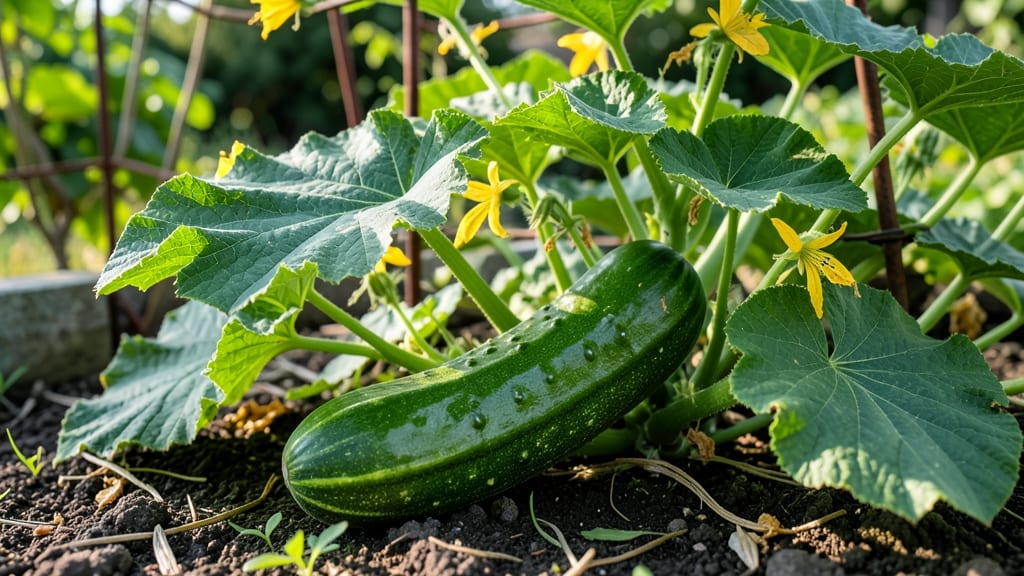
That first crisp slice of a cucumber reveals more than just flavor—it tells the whole story of how it grew. 🌱 The cross section shows why some cucumbers are bitter, why others have hollow centers, and how to pick the perfect seeds for planting.
Understanding this anatomy is the secret to growing cucumbers that are sweet, firm, and free of surprises.
Look closely at the flesh: the thick, pale green outer layer is where the plant stores moisture and nutrients, while the darker green rind protects against pests. The seeds in the center aren’t just for eating—they’re a clue about the cucumber’s maturity and flavor potential.
Hollow spots? That’s often a sign of overwatering or pest damage, and it’s something you can prevent in your own garden.
When you’re selecting seeds to plant, pay attention to the size and shape of the seeds in the cross section—larger, well-formed seeds usually mean stronger plants. Bitter cucumbers often have uneven flesh or overly developed seeds, a sign they were harvested too late.
By learning to read these clues, you’ll grow cucumbers that are crisp, seedless, and perfectly balanced—just like the ones you find in the produce section.
This knowledge doesn’t just apply to slicing—it transforms how you grow. Adjust your watering, harvest at the right time, and choose varieties known for their sweetness. Soon, your garden will produce cucumbers that are so good, you’ll wonder why you ever bought store-bought ones.
📚 In This Guide
- What you need
- Instructions
- Tips and common mistakes
- Wrapping up and next steps
What you need
- ● 1 large cucumber – Choose a firm, dark-green variety (like Persian or English) for the best texture. Avoid seedless if you want to experiment!
- ● 1 sharp chef’s knife – A 6–8-inch serrated or straight-edge blade works best for clean cuts. Pro tip: 💡 Dull knives crush cucumbers—keep yours honed!
- ● 1 cutting board – Opt for a non-slip, food-safe surface (plastic or bamboo) to prevent accidents.
- ● Microplane or peeler – For ultra-thin shavings or removing the skin if desired.
- ● Kitchen shears – Great for quick, seedless halves if you’re in a hurry.
- ● Citrus juicer or lemon wedge – A squeeze of lemon/lime keeps slices fresh longer.
- ○ Small bowl + ice water – Soak slices for extra crunch (optional but highly recommended!).
- ● Wash the cucumber thoroughly under cool water to remove dirt/debris.
- ● Pat dry with a clean towel to avoid slippery hands while slicing.
- ● Clear a clutter-free workspace—safety first!
How to slice cucumbers for perfectly crisp, seedless pieces
Here's the foolproof method I use to slice cucumbers that stay crisp longer and taste fresher—no soggy, seedy messes.
🥒 Step 1: Choose and Prep the Right Cucumber
Pick a firm, dark green cucumber about 8-10 inches long—smaller ones stay crisper longer. Avoid thick-skinned varieties if you want ultra-thin slices. Rinse it under cool water to remove dirt, then pat dry with a clean towel. This step is critical because moisture on the skin makes blades slip and creates uneven cuts.
Use a paring knife to trim off both ends, then slice the cucumber lengthwise into quarters. This opens the cucumber for easier seed removal and gives you flat surfaces to work with. I like to make these cuts on a cutting board—it’s safer and keeps your counter clean.
✂️ Step 2: Remove Seeds for Cleaner Slices
Hold one quartered cucumber over a small bowl to catch the seeds. Use a teaspoon or melon baller to scoop out the seeds and stringy center. Press gently but firmly—you want to remove as much of the seedy core as possible without tearing the flesh. This is where the magic happens: seedless cucumbers stay crisp longer and taste milder.
If you’re short on time, you can skip this step for thicker slices, but for paper-thin, restaurant-quality slices, seed removal is a game-changer. Just be careful not to gouge the cucumber—keep your tool steady and controlled.
💧 Step 3: Slice Evenly for Perfect Thickness
Place the seedless cucumber quarters cut-side down on the cutting board. Use a sharp chef’s knife and hold it at a 45-degree angle for the first cut—this creates a clean edge. Then, switch to a 90-degree angle for straight, even slices. Aim for ⅛-inch thickness for crisp, bite-sized pieces, or ¼-inch for heartier slices.
To keep slices uniform, press down gently but firmly as you cut. If the knife wobbles, your cucumber isn’t stable—try securing it with a damp paper towel underneath for grip. Pro tip: Wipe your knife on a damp cloth between cuts to prevent sticking.
☀️ Step 4: Store for Maximum Freshness
Arrange the sliced cucumbers on a paper towel-lined plate to absorb excess moisture. Cover loosely with plastic wrap or a clean kitchen towel—this keeps them crisp without trapping humidity. For longer storage, place them in an airtight container with a dry paper towel on top. They’ll stay fresh in the fridge for 3-4 days this way.
If you’re prepping ahead for a meal, slice just before serving. Cucumbers release water over time, so slicing too early leads to soggy, sad slices. For the crispiest results, serve within 1-2 hours of cutting.
⏰ Step 5: Serve Immediately for Peak Texture
Toss the slices with a light sprinkle of salt (just a pinch!) and a drizzle of olive oil if using in salads. The salt draws out excess water, and the oil adds flavor without making them soggy. For sandwiches or wraps, layer the cucumbers just before closing—this keeps them crunchy instead of limp.
Serve on a chilled plate for an extra refreshing touch. The contrast of cool cucumbers with warm dishes (like grilled meats or pasta) makes them taste even better. And if you’re making a cucumber salad, add a squeeze of lemon juice right before serving—it brightens the flavor and preserves crispness for a little longer.
Tips & tricks for perfect cucumber cross sections
These simple tricks will transform your cucumber slicing from basic to restaurant-quality every time.
Knife Angle Magic: That 45-degree angle in Step 3 isn't just for show—it creates a clean edge that prevents ragged slices. Start with the angle for the first cut, then switch to 90 degrees for straight slices. The angle helps your knife glide through the cucumber's fibrous structure, making each slice look professional.
Seed Removal Hack: Don't have a melon baller? A teaspoon works perfectly in Step 2, but here's the secret: press down firmly but twist slightly as you scoop. This breaks the seed fibers cleanly without tearing the cucumber flesh. I've ruined more cucumbers than I'd like to admit trying to rush this step!
Texture Preservation: The 1-2 hour serving window in Step 5 is non-negotiable for crispness. If you need to prep ahead, slice the cucumbers and immediately plunge them into ice water for 10 minutes. This slows moisture release and buys you an extra 30 minutes before texture degrades. Just pat them dry before serving.
Cutting Board Stability: In Step 3, if your cucumber quarters wobble when cutting, try this: place a damp paper towel under them. The slight moisture creates friction that keeps them in place. I learned this trick after watching my first batch of slices turn into a chaotic pile of uneven pieces!
Pro Tips for Cucumber Cross Section
- These simple tricks will transform your cucumber slicing from basic to restaurant-quality every time.
- Knife Angle Magic: That 45-degree angle in Step 3 isn't just for show—it creates a clean edge that prevents ragged slices.
- Seed Removal Hack: Don't have a melon baller?
Frequently asked questions
Got questions about slicing cucumbers like a pro? Here are some answers to the most common queries about cucumber cross sections—from prep tips to troubleshooting tricks!
Why does my cucumber cross-section look uneven or wobbly?
Uneven slices often happen if the cucumber isn’t fully chilled (cold cucumbers slice cleaner) or if you’re using a dull knife. Try freezing the cucumber for 10–15 minutes before slicing, or invest in a serrated knife for better grip. For extra precision, use a mandoline with a vegetable guide.
How long should I chill a cucumber before slicing for perfect cross sections?
Chilling a cucumber for 30 minutes to an hour in the fridge firms it up, making slices crisp and uniform. Pro tip: Wrap it in a damp paper towel before chilling to keep it hydrated. If you’re short on time, a 10-minute ice bath can work too!
Can I slice a cucumber cross-section without removing the seeds first?
Yes! While seedless slices are classic, you can slice cucumbers whole for quick prep (great for salads or snacks). Just peel them first to avoid bitterness. For a restaurant-style look, hollow out the seeds with a spoon or knife after slicing—it’s faster than peeling each slice individually.
What’s the best knife for cutting cucumbers into even cross sections?
A sharp chef’s knife or serrated knife works best for hand-slicing. For perfect uniformity, a mandoline slicer (with a low-height setting) is a game-changer. If you’re slicing thick rounds, a carving knife with a thin blade helps too—just rock the knife gently for even cuts.
Are there alternatives to slicing cucumbers for a similar texture?
If you’re craving that crisp, cross-section crunch without the slicing hassle, try:
- Julienned cucumbers (thin matchsticks for salads or garnishes).
- Cucumber ribbons (peel, slice lengthwise, then roll into ribbons).
- Cucumber “chips” (thinly sliced, salted, and dehydrated).
- Spiralized cucumbers (use a vegetable spiralizer for noodle-like texture).
Each method keeps the fresh, hydrated crunch you love!
Wrapping up and next steps
Exploring the cucumber cross section isn’t just about slicing—it’s about unlocking crisp, seedless perfection! Whether you’re prepping for salads, snacks, or garnishes, mastering this technique ensures every bite is refreshing and flawless. 🥒✨
Ready to elevate your veggie game? Grab a cucumber, practice your cuts, and experiment with storage tips to keep those slices fresh longer. Your next culinary creation starts with one simple slice!