
Size
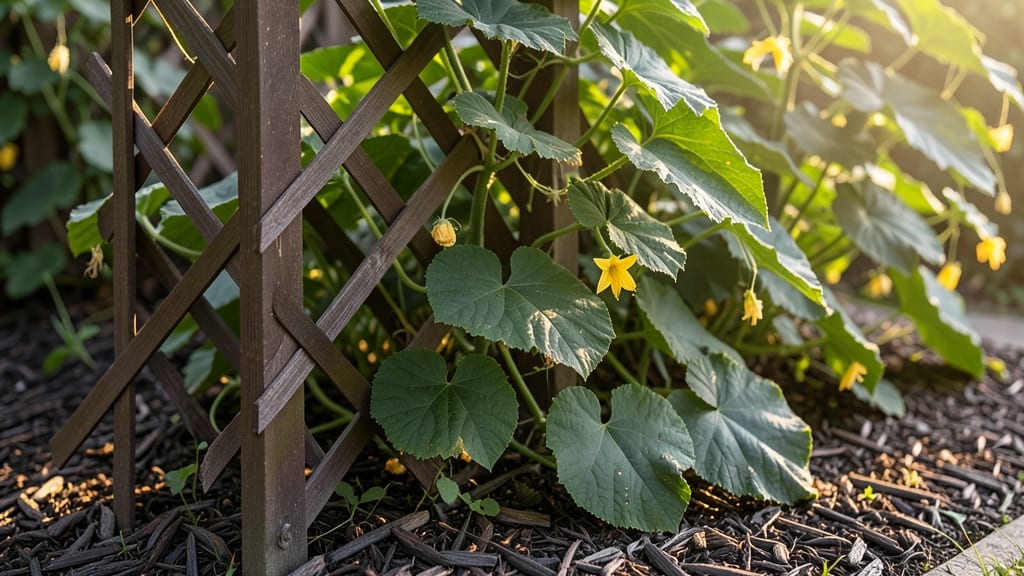
What’s the best way to grow cucumbers? It starts with saving space—whether you have a tiny balcony or a sprawling backyard. 🌱 I’ve turned my chaotic cucumber patch into a tidy vertical garden that produces more fruit with less mess, and it’s easier than you’d think.
The secret? Trellises, proper spacing, and a few simple care tricks that keep plants happy and productive all season long.
You’ll need a sturdy trellis or cage, well-draining soil, and cucumber seeds or seedlings (start indoors if your season’s short). Cucumbers crave full sun—at least 6-8 hours daily—and consistent watering (think 1-2 inches per week).
The vertical setup keeps vines off the ground, reducing disease risk and making harvests a breeze. No more tangled messes or rotting fruit!
By mid-summer, you’ll be picking crisp cucumbers straight from the vine, and the plants will keep producing until frost. The vertical method also cuts down on pests and makes weeding a snap. Plus, your neighbors will be green with envy when they see your neat, productive garden corner.
Whether you’re working with a small patio or a backyard plot, this approach scales perfectly. Ready to transform your cucumber game? Let’s get those vines climbing!
📚 In This Guide
- What you need
- Instructions
- Tips and common mistakes
- Wrapping up and next steps
What you need
- ● Cucumber Seeds or Seedlings: 10–20 seeds (if starting from scratch) or
- ● 3–5 healthy seedlings (for faster growth)
- ● Growing Containers or Garden Bed: 5-gallon pots (1–2 per plant) or
- ● A raised bed (at least 12" deep) or
- ● A vertical trellis system (A-frame, wall-mounted, or freestanding)
- ● Potting Mix or Soil: High-quality well-draining mix (avoid heavy clay)
- ○ Optional: Add compost or worm castings for nutrients
- ● Support Structures: Trellis netting (for climbing varieties)
- ● Twine or soft plant ties (to secure vines)
- ● Watering Supplies: Watering can or drip irrigation kit
- ● Mulch (straw or shredded leaves to retain moisture)
- ● Fertilizer: Balanced organic fertilizer (10-10-10) or
- ● Compost tea (for a gentle nutrient boost)
- ● Pruning shears (for managing vine growth)
- ● Row covers (to protect from pests early on)
- ● Plant markers (to track varieties if growing multiple types)
- ● Fish emulsion or seaweed extract (for extra vigor)
Step-by-Step instructions for growing cucumbers vertically
Here’s how to maximize your harvest with minimal space using proven vertical techniques.
🌱 Step 1: Choose and Prepare Your Growing Structure
Start with a sturdy trellis, cage, or A-frame stand—anything that can support 5-6 feet of vine growth. I like using powder-coated metal cages because they resist rust and last years. If building your own trellis, space horizontal wires 12-18 inches apart to give vines something to grip. Install your structure in a spot with full sun (6+ hours daily)—cucumbers are heavy feeders and need all the light they can get.
For bush varieties, a 3-foot-tall cage works perfectly. If growing vining types like 'Straight Eight' or 'Marketmore', opt for a 6-foot-tall trellis. The key is making sure the structure won’t topple when vines get heavy with fruit. I always anchor mine with stakes or weights—trust me, you don’t want a cucumber melon toppling your setup mid-summer.
💧 Step 2: Plant Seeds or Transplants at the Right Time
Wait until after the last frost date in your area and soil temperatures reach at least 60°F. Cucumbers are tropical plants and won’t germinate in cold soil. If starting from seed, plant 1-2 seeds per trellis position, about 1 inch deep and 6 inches apart. For transplants, space them 12-18 inches apart—crowding leads to poor air circulation and disease.
Here’s the thing—don’t rush planting. If you put them out too early and temperatures dip below 50°F, seeds won’t sprout, or seedlings will rot. Watch for soil warmth by pressing your hand into the ground; if it feels warm to the touch, it’s ready. Once seeds sprout, thin to the strongest plant per position—weak competition means stronger vines.
☀️ Step 3: Train Vines and Provide Support Weekly
As vines grow, guide them gently along the trellis using soft plant ties or twine. Never force them—let the cucumbers climb naturally. You’ll see tendrils (tiny curly growths) that help them grip; these are your best friends for support. When vines reach the top, prune the tips to encourage bushier growth and more fruit production.
Check your trellis every 5-7 days to ensure vines aren’t overcrowding. If you see leaves touching the ground, they’ll rot from moisture. Trim any weak or diseased growth immediately—cucumbers spread quickly, and one sick leaf can ruin the whole plant. This is also when you’ll start seeing tiny flowers—hand-pollinate them by gently shaking the trellis in the morning to spread pollen.
🌿 Step 4: Water and Fertilize for Maximum Yield
Cucumbers need consistent moisture—1-2 inches per week—but avoid wetting the leaves to prevent disease. Water at the base of the plant in the morning so foliage dries quickly. If you notice yellowing leaves, it’s usually a sign of either overwatering or nutrient deficiency. I use a drip irrigation system to keep moisture even without soggy soil.
Feed your plants every 2 weeks with a balanced fertilizer (10-10-10) or compost tea. The moment you see first flowers, switch to a low-nitrogen, high-phosphorus feed (5-10-10) to boost fruiting. Too much nitrogen = leafy vines, no cucumbers. Watch for fruit set—small cucumbers forming means your plant is happy. If you see dropped flowers, it’s often a sign of stress from heat or drought—adjust watering immediately.
✂️ Step 5: Harvest and Prune for Continuous Production
Harvest cucumbers when they’re 6-8 inches long for the best flavor and to encourage more production. Use sharp pruners to cut stems cleanly, leaving a small stub. I check my trellis every 2-3 days—overripe cucumbers turn bitter and attract pests. If you miss a few, pick them anyway to keep the plant focused on new growth.
As the season progresses, prune old vines that have stopped producing. Focus on keeping the healthiest, most productive branches—this redirects energy to new fruit. By late summer, you’ll see yellowing leaves as the plant winds down. At this point, reduce watering and let the trellis decompose naturally (or compost it). The key to a second harvest? Succession plant every 2 weeks—this keeps cucumbers coming all season long.
Tips & tricks for perfect vertical cucumber gardens
These insider tricks will help you avoid common pitfalls and get the most out of your space-saving cucumber setup.
Structure Stability: When choosing between a 3-foot cage for bush varieties or a 6-foot trellis for vining types, remember that cucumbers get surprisingly heavy. I've seen 6-foot trellises collapse under 10-pound cucumber melons! For extra security, bury the base of your structure 6-8 inches deep or use heavy-duty garden stakes to anchor it. This is especially important if you're growing in windy areas—your plants will thank you when they don't end up sprawled on the ground.
Planting Timing: The 60°F soil temperature minimum isn't just a suggestion—it's crucial for germination. I learned this the hard way when my seeds rotted in 55°F soil. To test soil warmth, press your hand into the ground about 2 inches deep. If it feels comfortably warm (like a hot bath), your seeds will be happy. For cooler climates, consider using black plastic mulch to warm the soil faster—it can raise temperatures by 5-10°F.
Weekly Vine Maintenance: Those 5-7 day checks between Step 3 and Step 4 are your best defense against problems. Look for three things: tendrils gripping the structure (good!), leaves touching the ground (bad!), and any yellowing or spots (disease warning!). I keep a small pair of pruners handy and trim anything that looks off immediately. This prevents small issues from becoming plant-ruining disasters. The key is consistency—don't wait until you see major problems before intervening.
Harvest Frequency: Checking every 2-3 days might seem like overkill, but it's what keeps your cucumbers sweet and productive. Overripe cucumbers not only taste bitter but also signal the plant to stop producing. I set a phone reminder for every other day during peak season. When you harvest, always cut the stem cleanly—this prevents disease from entering the plant. The stub should be about 1/4 inch long, which helps new cucumbers form in that spot.
Pro Tips for What'S The Best Way To Grow Cucumbers
- These insider tricks will help you avoid common pitfalls and get the most out of your space-saving cucumber setup.
- Structure Stability: When choosing between a 3-foot cage for bush varieties or a 6-foot trellis for vining types, remember that cucumbers get surprisingly heavy.
- Planting Timing: The 60°F soil temperature minimum isn't just a suggestion—it's crucial for germination.
Frequently asked questions
Got questions about growing cucumbers?
You’re not alone! Here are answers to the most common queries—whether you're a first-time gardener or a seasoned green thumb looking to optimize your space.
How long does it take for cucumbers to grow after planting?
Cucumbers typically take 50–70 days to mature after planting, depending on the variety. Bush types may fruit faster (around 50 days), while vining varieties can take up to 70 days. Start harvesting when cucumbers are firm, 6–8 inches long, and bright green (or your preferred color).
What’s the best temperature for growing cucumbers?
Cucumbers thrive in warm soil (70–90°F) and air temperatures. Plant seeds after the last frost when the soil is at least 60°F. If nights dip below 55°F, use row covers or wait until daytime highs are consistently above 75°F for optimal growth.
Why are my cucumber leaves turning yellow or curling?
Yellowing or curling leaves usually signal pests (aphids, cucumber beetles) or disease (powdery mildew). Check the undersides of leaves for bugs and treat with neem oil or insecticidal soap. For mildew, improve airflow, water at the base (not leaves), and consider fungicidal sprays. Rotate crops next season to prevent recurrence.
Can I grow cucumbers in containers or small spaces?
Bush varieties
(like ‘Bush Champion’) are perfect for containers (5+ gallon pots) or small gardens. For trellising, choose compact vining types (e.g., ‘Spacemaster’) and provide a sturdy trellis or cage. Ensure containers have drainage holes and use a lightweight potting mix to prevent root stress.
How often should I water cucumbers, and how do I know they’re thirsty?
Cucumbers need 1–2 inches of water weekly, especially during flowering and fruiting. Water deeply at the base (not leaves) to encourage strong roots. Signs of thirst: wilted leaves (even in cool weather) or dry, cracked soil. Mulch around plants to retain moisture and reduce weeds.
Wrapping up and next steps
Growing cucumbers doesn’t have to mean sacrificing space—with the right techniques, you can enjoy a bountiful harvest in even the smallest garden! Whether you choose a trellis or bush method, prioritize sunlight, soil health, and consistent care to maximize yields.
Start small, experiment with varieties, and don’t forget to harvest regularly to keep your plants happy.
Ready to crunch into success? Grab your seeds, pick a spot, and get growing—your future salads (and Instagram-worthy vines) will thank you! 🌱💚 Next step: Sketch a quick garden layout or order your favorite cucumber seeds today!