
Light Requirements
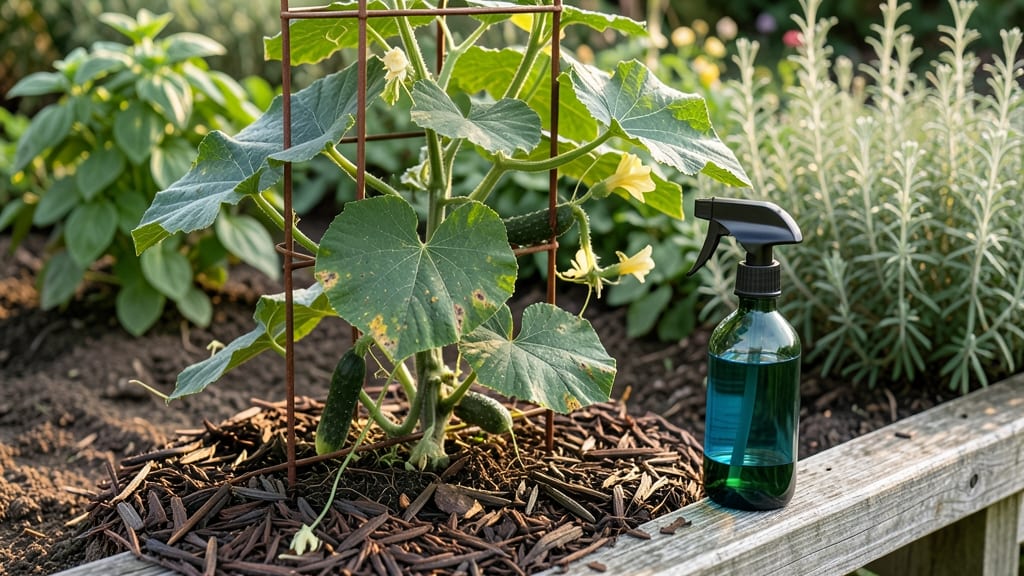
When your cucumbers develop those telltale yellow spots and fuzzy growth, cucumber blight control isn't just about saving plants—it's about reclaiming your summer harvest before the fungus spreads like wildfire.
I've lost entire vines to downy mildew twice, and the first time, I didn't even recognize the warning signs until it was too late. That season, my prized 'Straight Eight' cucumbers went from thriving to wilted in under a week.
The good news? You don't need harsh chemicals to win this battle. My go-to organic spray mix—neem oil, baking soda, and a drop of dish soap—stops fungal spread dead in its tracks when applied at the first sign of trouble.
The key is acting fast: remove infected leaves immediately, adjust watering habits, and space plants properly to improve airflow. Most gardeners overlook airflow, but it's the single biggest factor in preventing blight.
By following these steps, you'll protect your cucumbers from the most common diseases while keeping your garden ecosystem healthy. Your plants will stay vibrant green, producing crisp cucumbers all season long instead of turning into a fungal buffet.
The spray works best in the early morning or late evening, and you'll notice improvement within 3-5 days of consistent treatment.
This method works for both downy and powdery mildew, and it's safe to use right up until harvest. No more throwing out half-grown cucumbers—just healthy plants and a garden you can be proud of. Let's get those vines back in fighting shape.
Root Causes Of Cucumber Blight
Cucumber blight, particularly downy mildew and powdery mildew, doesn’t strike randomly—it thrives when specific conditions align like a perfect storm. Understanding these triggers is the first step to preventing outbreaks before they ruin your harvest. Let’s break down the key culprits behind this fungal menace.
Fungal spores love moisture—think of them as tiny aquatic adventurers waiting for the right conditions to multiply. Cucumbers, with their broad leaves and dense foliage, create the perfect humid microclimate when:
- Relative humidity stays above 75% for prolonged periods (fungi need this to germinate and spread).
- Air doesn’t circulate—crowded plants trap moisture, while stagnant air lets spores linger near leaves.
- Morning dew or overhead watering keeps leaves damp for hours, giving fungi a 24-hour buffet.
Pro tip: 💡 Aim for 50-60% humidity during the day and use fan circulation in greenhouses to disrupt spore spread.
Splashing water onto leaves isn’t just inefficient—it’s an open invitation for blight spores. Here’s why:
- Water droplets carry spores from infected soil or plant debris directly onto healthy leaves.
- Prolonged leaf wetness (6+ hours) triggers spore germination, turning your cucumbers into fungal hotspots.
- Soil splatter (from heavy rain or poor irrigation) hitches a ride on spores, spreading disease upward.
Actionable fix: 🔥 Switch to drip irrigation or soaker hoses to keep foliage dry. Water early in the day so leaves dry by evening.
Cucumbers aren’t just picky about space—they’re light-dependent. When plants grow too close:
- Leaves block sunlight, weakening photosynthesis and making plants stressed (a fungus’ dream target).
- Airflow stalls, trapping humidity and spores in a fungal sauna.
- Lower leaves stay shaded and wet longer, creating ideal conditions for downy mildew.
Grow smarter: 🌡️ Space cucumbers 18–24 inches apart and prune to improve airflow. Vertical trellising lifts leaves into sunlight and dries them faster.
Blight spores are persistent survivors. They can lurk in:
- Old plant debris (leaves, stems) from previous seasons, acting as a spore reservoir.
- Infected compost or manure that hasn’t been heat-treated (some spores survive composting!).
- Poorly sterilized tools or containers that spread spores between plants.
Clean slate solution: ✨ Remove all plant waste after harvest and solarize soil (cover with clear plastic for 4–6 weeks) to kill spores. Use sterilized pots if container-growing.
Fungi have a sweet spot—downy mildew thrives at 60–75°F (15–24°C), while powdery mildew loves 75–85°F (24–29°C). But extremes also play a role:
- Cool, wet springs (common in Zone 5–7) delay plant hardening, making them vulnerable to early infections.
- Heat stress weakens plants, reducing their ability to resist fungal attacks.
- Nighttime temps dropping below 50°F (10°C) can reactivate dormant spores.
Climate hack: 🌡️ Use row covers in early spring to warm soil and shade cloth in summer to moderate temps. Avoid planting cucumbers in low-lying areas where cold air pools.
Quick Fixes for Cucumber Blight
Cucumber blight can feel like a garden nightmare, but with the right steps, you can save your crop and keep your plants thriving. Below, we’ve mapped out practical solutions for the most common causes—from fungal infections to environmental stress—along with prevention tips to stop future outbreaks. Let’s tackle this head-on!
If your cucumbers show yellowing leaves, dark spots, or moldy patches, a fungal blight (like downy mildew or powdery mildew) is likely the culprit. Here’s how to stop the spread and revive your plants:
🔥 Step 1: Remove and Dispose of Infected Plant Parts
- 🌱 Snip off yellowed, spotted, or moldy leaves immediately—don’t let them linger on the plant or soil.
- 🗑️ Bag and toss infected debris in the trash (not compost)—fungi can survive in compost piles.
- 💡 Pro Tip: Wear gloves and disinfect your pruners with rubbing alcohol between cuts to avoid cross-contamination.
🍳 Step 2: Apply an Organic Fungicide Spray
Use one of these DIY or store-bought solutions to smother fungal spores:
- 🥛 Baking Soda Spray:
- Mix 1 tsp baking soda + 1 tbsp vegetable oil + 1 tsp mild soap in 1 quart of water.
- Spray early in the morning (avoid direct sunlight to prevent leaf burn).
- ✨ Reapply every 7–10 days or after rain.
- 🌿 Neem Oil Solution:
- Combine 1 tbsp neem oil + 1 tsp mild soap in 1 quart of water.
- Shake well and spray undersides of leaves (where spores love to hide).
- 🌡️ Best used in warm weather (below 90°F for safety).
- 🍄 Copper Fungicide (Store-Bought):
- Follow label instructions for preventative or curative sprays.
- ⚠️ Warning: Avoid overuse—copper can build up in soil over time.
🌡️ Step 3: Improve Airflow and Reduce Humidity
Fungi thrive in damp, stagnant conditions.
Help your plants recover by: - 🌬️ Prune nearby plants to allow 3–4 feet of spacing between cucumbers. - 💨 Use a fan on low setting for 10–15 minutes daily to circulate air. - 🌧️ Water at the base (not overhead) and avoid late-day watering to let foliage dry quickly.
🎯 Prevention for Next Season
- 🌱 Plant resistant varieties like ‘Lemon Cucumber’ or ‘Straight Eight’ (check seed packets for blight resistance).
- 🔄 Rotate crops—don’t plant cucumbers in the same spot yearly.
- 🌿 Add mulch (straw or grass clippings) to reduce soil splashes onto leaves.
Sometimes blight-like symptoms (wilting, browning edges) stem from poor growing conditions, not fungi. Fix these fast:
🔥 Step 1: Check Your Watering Routine
- 💧 Overwatering? Let the top 1–2 inches of soil dry between waterings.
- 🌧️ Underwatering? Cucumbers need 1–2 inches of water per week (more in heatwaves).
- 💡 Pro Tip: Use drip irrigation to deliver water directly to roots and avoid wetting leaves.
🍳 Step 2: Adjust Light Exposure
- 🌿 Too much sun? Move plants to partial shade (especially in hot climates) to prevent leaf scorch.
- ☀️ Too little sun? Cucumbers need 6–8 hours of sunlight daily—relocate or supplement with grow lights.
👨🍳 Step 3: Boost Soil Health - 🌱 Test your soil pH—cucumbers prefer 6.0–6.8.
Amend with lime (to raise pH) or sulfur (to lower it) if needed. - 💨 Add compost or worm castings for better drainage and nutrient uptake. - ⏰ Feed weekly with a balanced organic fertilizer (like fish emulsion) during growing season.
🎯 Long-Term Fixes
- 🌱 Choose the right spot: Cucumbers love well-draining soil—avoid low-lying areas where water pools.
- 🌿 Use raised beds if your garden soil is heavy or compacted.
- 🌧️ Install a rain gauge to monitor water levels and adjust accordingly.
Pests like aphids, spider mites, or cucumber beetles can weaken plants, making them more susceptible to blight. Here’s how to kick them out:
🔥 Step 1: Inspect and Identify Pests
- 🔍 Check undersides of leaves for tiny bugs, webbing, or chewed edges.
- 🐞 Common culprits:
- Aphids (tiny green/black bugs)
- Spider mites (red dots, webbing)
- Cucumber beetles (striped yellow/orange bugs)
🍳 Step 2: Remove Pests Naturally
- 🌿 Spray with soapy water (1 tsp mild soap + 1 quart water) directly on pests.
- 🍄 Introduce beneficial insects:
- Lacewings (devour mites and beetles)
🎯 Prevention Tips
- 🌱 Interplant with herbs like basil or dill to repel pests.
- 🌿 Rotate crops to disrupt pest life cycles.
- 🌧️ Clean up debris after harvest to remove hiding spots.
Final Thought: Cucumber blight doesn’t have to be a death sentence—act fast, adjust conditions, and stay vigilant. With these organic, practical fixes, your plants will bounce back stronger than ever! 🚀🌱
Frequently asked questions
What are the first signs of cucumber blight I should watch for?
Look for yellow spots on upper leaves (downy mildew) or white powdery patches (powdery mildew). Later stages show dark, greasy spots on leaves and stems. Check undersides of leaves first—they're where fungal spores love to hide.
Can I still harvest cucumbers if blight appears?
Yes, but only if the fruit itself is healthy. Remove and eat any cucumbers showing no signs of infection. Focus on saving the plant by pruning infected leaves immediately and applying fungicide to prevent spread to other plants.
How often should I apply organic sprays for prevention?
Apply every 7-10 days during humid weather or after rain. For best results, spray early in the morning when humidity is high but before direct sunlight hits (to prevent leaf burn). Rotate between baking soda and neem oil sprays for maximum effectiveness.
Will copper spray harm beneficial insects in my garden?
Yes, copper can be harmful to bees and other pollinators. Apply only in early morning or late evening when bees are less active. For safer options, use baking soda or neem oil sprays instead, which are bee-friendly when used properly.
Can I reuse last year's compost if I had blight problems?
No, never use infected plant material in compost. Fungal spores survive composting! Instead, solarize your soil (cover with clear plastic for 4-6 weeks) or use heat-treated compost (140°F+ for 3+ days) to kill spores before reuse.