
Pests
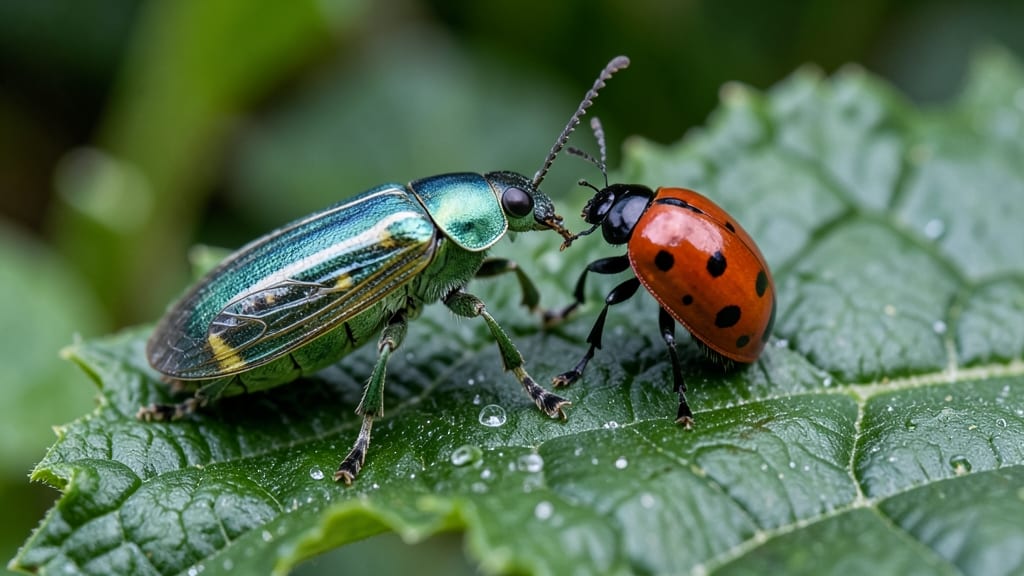
The battle for your cucumber plants starts before you even see the damage. 🌱 Cucumber beetles chew through leaves, spread disease, and stunt growth, while ladybugs patrol your garden like tiny, spotted sentinels—eating beetle eggs and adults before they cause real harm.
Understanding their roles is the first step to keeping your vines thriving without chemicals.
Ladybugs aren’t just cute—they’re voracious predators that can devour hundreds of aphids and beetle eggs in a single day. But they need the right conditions to stick around: plant dill, fennel, or marigolds nearby, keep a shallow water source, and avoid pesticides that wipe out their populations.
Meanwhile, cucumber beetles thrive in sunny, weedy areas, so clean up debris and use row covers early in the season.
Neem oil and kaolin clay create a natural barrier that deters beetles without harming ladybugs. Spray in the evening when bees are less active, and reapply after rain.
The key is balance: support ladybugs while starving out beetles through smart garden design. Your plants will reward you with crisp, blemish-free cucumbers by midsummer.
This isn’t about choosing sides—it’s about creating a garden where ladybugs outnumber pests naturally. Start with companion plants, then add habitat features like a ladybug house or untreated wood piles. Within weeks, you’ll see fewer striped beetles and more of those helpful, polka-dotted allies patrolling your rows.
The first option explained
Meet your first line of defense against those pesky cucumber beetles—the ladybug! 🐞💚 These tiny, polka-dotted powerhouses aren’t just cute; they’re one of nature’s most effective pest control agents. Let’s dive into why ladybugs are a gardener’s best friend and how they stack up in the cucumber beetle vs. ladybug showdown.
🌟 Key Characteristics
Ladybugs, or lady beetles, are easily recognizable by their bright red or orange shells with black spots (though some species may have yellow or black shells). Here’s what makes them stand out:
- Rapid Reproduction: A single ladybug can lay up to 1,000 eggs in her lifetime, ensuring a steady supply of beetle hunters.
- Voracious Appetite: An adult ladybug can devour 50-60 aphids per day, and their larvae? They’re even hungrier—chowing down on 400+ aphids in a week!
- Versatile Diet: While they love aphids, they also target cucumber beetles, mites, scale insects, and even some soft-bodied larvae.
- Beneficial Beyond Pest Control: Ladybugs also pollinate flowers and help break down organic matter, boosting garden health.
🌱 Benefits in the Garden
Why should you welcome ladybugs with open arms? Here’s how they help:
- Eco-Friendly Pest Management: No chemicals needed—just release ladybugs, and they’ll handle the cucumber beetles naturally.
- Protects Your Crops: Cucumber beetles chew on leaves and spread disease, but ladybugs keep their populations in check, safeguarding your cucumbers, squash, and melons.
- Low Maintenance: Once established, ladybugs thrive on their own, requiring minimal intervention from you.
- Safe for Humans and Pets: Unlike chemical pesticides, ladybugs pose zero risk to people, pets, or beneficial insects like bees.
🌿 Typical Use Cases
Ladybugs are a gardener’s secret weapon in these scenarios:
- Vegetable Gardens: Ideal for protecting cucumbers, squash, beans, and other tender plants from cucumber beetle damage.
- Greenhouses and Indoor Farms: Perfect for controlled environments where chemical pesticides are restricted.
- Organic Farming: A staple in organic pest management due to their effectiveness and eco-friendly nature.
- Landscaping and Flower Beds: Helps maintain healthy plants by controlling aphids and other pests that target ornamental plants.
Pro Tip: 💡 To attract ladybugs, plant dill, fennel, or yarrow—their favorite nectar sources! Avoid pesticides, as they’ll harm both your pests and your ladybug allies.
The second option explained
Meet your garden’s tiny, armored superhero: the ladybug! 🪲✨ While cucumber beetles are the chaotic villains stripping your plants bare, ladybugs are the eco-friendly knights ready to save the day. Let’s dive into why these spotted allies are a gardener’s best friend—and how to harness their power.
🌿 Key Characteristics
Ladybugs (or lady beetles, Coccinellidae) are easily recognizable with their bright red or orange shells speckled with black spots. But don’t let their cute looks fool you—they’re voracious predators, devouring up to 5,000 aphids in a lifetime! Here’s what makes them stand out:
- Natural pest control: Their diet includes aphids, mites, soft-bodied insects, and even cucumber beetle eggs—making them a dynamic counter to garden pests.
- Lifespan and reproduction: Adults live 6–12 months, while larvae (their hungry nymph stage) are even more aggressive hunters.
- Beneficial to plants: Unlike cucumber beetles, they don’t damage foliage or spread disease.
🌱 Benefits for Gardens
Why should you invite ladybugs to your garden instead of reaching for chemicals? Here’s why they’re a game-changer:
- Eco-friendly pest management: They reduce the need for pesticides, keeping your garden chemical-free.
- Cost-effective: Once established, they reproduce rapidly, providing year-round protection.
- Versatile protection: They thrive in vegetable gardens, flower beds, and even greenhouses, targeting a wide range of pests.
- Pollinator-friendly: Unlike some beneficial insects, they don’t harm bees or other pollinators.
🌳 Typical Use Cases
Ladybugs are the ultimate multi-taskers in the garden. Here’s where they shine:
| Garden Type | Pests They Target | Best Practices |
|---|---|---|
| Vegetable Gardens | Aphids, cucumber beetle eggs, whiteflies | Plant dill, fennel, or marigolds to attract them. Avoid broad-spectrum pesticides. |
| Flower Beds | Mites, mealybugs, scale insects | Provide shelter like leaf litter or mulch for overwintering. |
| Greenhouses | Greenhouse whiteflies, thrips | Release commercially bred ladybugs in early spring for immediate control. |
| Fruit Trees | Aphids, mites, leafhoppers | Use neem oil sprays (sparingly) to repel pests without harming ladybugs. |
Pro Tip: 💡 If you’re buying ladybugs, release them in the evening when temperatures are cooler—they’re less likely to fly away! Also, avoid releasing them in winter; they need mild weather to thrive.
Key differences
🐞 Appearance: A First Glance at Their Looks
The first thing you’ll notice when comparing these two garden visitors is their striking difference in appearance. Cucumber beetles are small, oval-shaped insects (about ⅛ to ¼ inch long) with a shiny, metallic look—often yellow, green, or black with black stripes.
Their long antennae and chewing mouthparts give them a distinct, almost aggressive vibe. 😈
Ladybugs, on the other hand, are round, dome-shaped (about ¼ inch wide) with bright, spotted patterns. Their colors range from red, orange, or yellow with black spots (the classic look) to solid colors like pink or gray in some species.
Their soft, delicate wings and gentle demeanor make them look like nature’s tiny superheroes. 🦸♀️
🌱 Role in the Garden: Friend or Foe?
This is where the real drama unfolds! Cucumber beetles are pure troublemakers in the garden. They devour leaves, flowers, and fruits of cucumbers, squash, melons, and other crops, leaving behind chewed foliage and silvery slime.
What’s worse? They spread bacterial wilt, a deadly disease that can wipe out entire plants. Not a friend! 🚫
Ladybugs, however, are the ultimate garden allies. They’re voracious predators that feast on aphids, mites, scale insects, and even other soft-bodied pests—including cucumber beetle eggs and larvae! 🐛➡️💥 Their appetite for pests makes them a natural pest control solution, saving your plants from destruction without chemicals.
🐣 Life Cycle: How Fast Do They Multiply?
Cucumber beetles are fast breeders, with a life cycle that can span 30–60 days in warm conditions. Females lay hundreds of eggs in clusters near host plants, and their larvae (called grubs) are just as destructive as adults.
They overwinter in soil or plant debris, meaning they can reappear year after year with a vengeance. ❄️🔥
Ladybugs have a slower but steadier life cycle, typically lasting 4–6 weeks from egg to adult. Females lay fewer eggs (up to 400 in a lifetime), but their larvae are even hungrier than the adults, making them highly effective at controlling pests early on.
Some species overwinter as adults, emerging in spring to resume their pest-fighting duties. 🌱🐞
🛡️ Defense Mechanisms: How Do They Survive?
Cucumber beetles rely on camouflage and speed to avoid predators. Their metallic colors help them blend into foliage, and they fly quickly when threatened. Some species also release foul-smelling chemicals as a defense. 🛑💨
Ladybugs, however, have multiple tricks up their sleeves. Their bright colors act as a warning to predators: “I’m toxic!” (They secrete a yellow, foul-tasting fluid when threatened.)
Some species also play dead or release a sticky substance to deter attackers. Plus, their fast flight and agility make them hard to catch. 🛡️💥
🌍 Habitat Preferences: Where Do They Hang Out?
Cucumber beetles are plant-specific, thriving in cucumber, squash, and melon fields. They’re also found near weeds like pigweed and smartweed, which they use as alternative hosts. Their presence is a clear sign your garden is under attack. 🌿🚨
Ladybugs are generalists, meaning they can be found in almost any garden, meadow, or even indoors if they hitch a ride. They prefer areas with abundant prey (like aphid-infested plants) but aren’t picky.
Some species are native to North America, while others are imported for pest control. 🌍🐞
When to choose which
Deciding between cucumber beetles and ladybugs in your garden comes down to their roles—and whether you’re dealing with a problem or a solution. Here’s when to call on each:
🚨 Use Ladybugs When...
- Pests are wreaking havoc: Ladybugs are your go-to for aphids, mites, and soft-bodied insects. If you spot clusters of these pests on your plants, ladybugs will devour them like a buffet! 🍽️
- You want organic pest control: No chemicals needed—just release ladybugs (or their larvae) for a natural defense. Perfect for veggie gardens, flowers, and orchards!
- Cucumber beetles are already a threat: Ladybugs can help reduce beetle populations by targeting their eggs and young larvae.
🌱 Use Cucumber Beetles When...
Wait—what?! Hear us out: Cucumber beetles aren’t all bad. They’re actually useful in very specific scenarios:
- You’re pollinating crops: Beetles help pollinate cucumbers, squash, and melons. If you’re growing these plants and lack bees, beetles can step in (though they’re less efficient). 🐝→🐞
- You’re in a wild or uncultivated garden: In natural ecosystems, beetles play a role in the food chain. If your garden is already thriving without major pest issues, their presence might not be a dealbreaker.
- You’re not growing cucurbits: If beetles aren’t targeting your plants (e.g., you’re growing herbs, grains, or flowers), their impact is minimal.
⚠️ Pro Tip: Never introduce cucumber beetles intentionally—they’re usually hitchhikers or accidental visitors. Ladybugs, on the other hand, can be ordered online or attracted with native plants like dill, fennel, or marigolds! 🌿
The bottom line
So, who wins the cucumber beetle vs. ladybug showdown in your garden? 🌱 The answer depends on your goals! Ladybugs are your superheroes—naturally controlling pests like aphids while leaving your plants unharmed.
Cucumber beetles? They’re the villains, stripping leaves and spreading disease. If your garden’s under siege, invite more ladybugs (or their eggs!) and banish beetles with traps or neem oil.
Need a quick decision guide?
- Ladybugs: 👍 Best for organic pest control—safe, effective, and eco-friendly!
- Cucumber Beetles: 👎 Avoid them like garden weeds—they’re pure trouble.
Now go protect your plants and let the ladybugs do the heavy lifting! 🐞✨