
Companion Plants
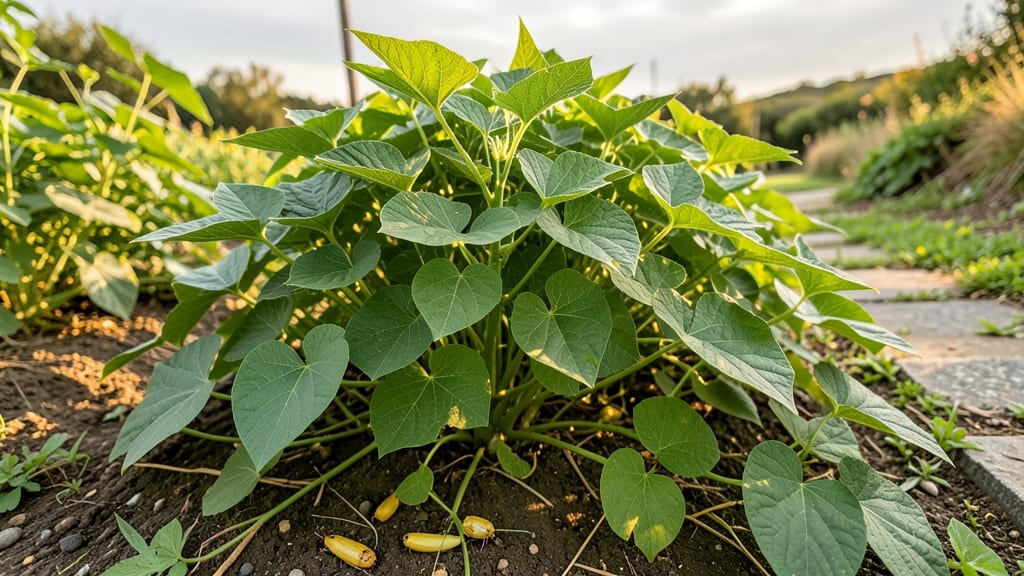
Struggling with cucumber beetles, aphids, or powdery mildew ruining your harvest? The right companion plants act as natural pest deterrents while boosting cucumber growth—no chemicals required. These seven science-backed pairings create a thriving ecosystem that keeps pests at bay and improves yield.
Marigolds Repel Cucumber Beetles Naturally
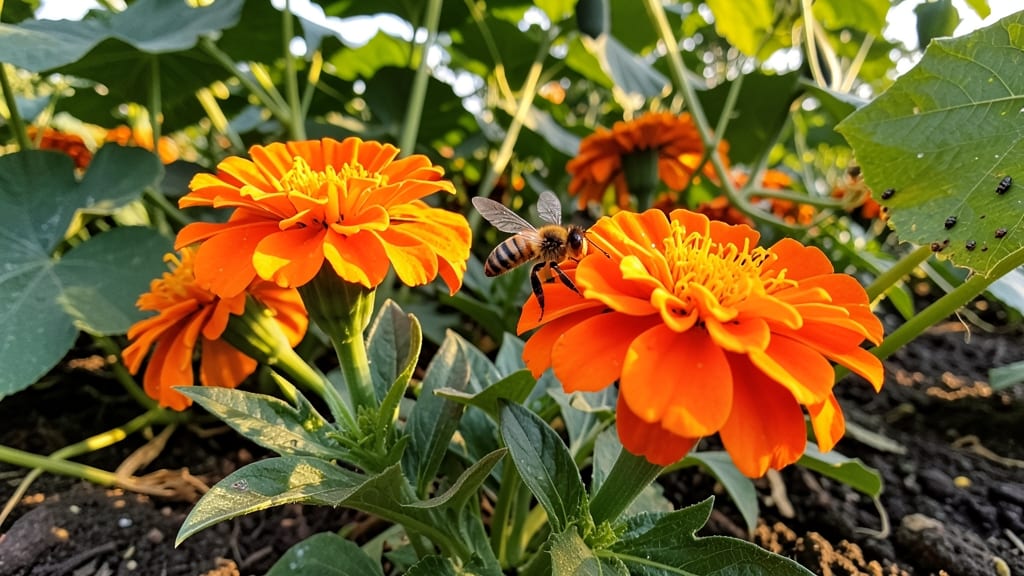
If cucumber beetles are turning your vines into a buffet, French marigolds are your secret weapon. These bright orange bloomers don’t just deter pests—they actively disrupt beetle feeding patterns using a compound called alpha-terthienyl, while luring in natural predators like wasps that feast on the beetles.
Plant them 6-12 inches away from cucumbers for maximum effect, and they’ll thrive in full sun to partial shade. The best part? They’re perfect for containers or border plantings, making them ideal for small spaces or urban gardens. Just be sure to replant them yearly, as they’re annuals.
Urban gardeners and beginners will love how easy they are to grow—just scatter seeds after the last frost, and you’ll have a pest-fighting powerhouse in no time. 🌻
Nasturtiums Trap Aphids Away From Cucumbers
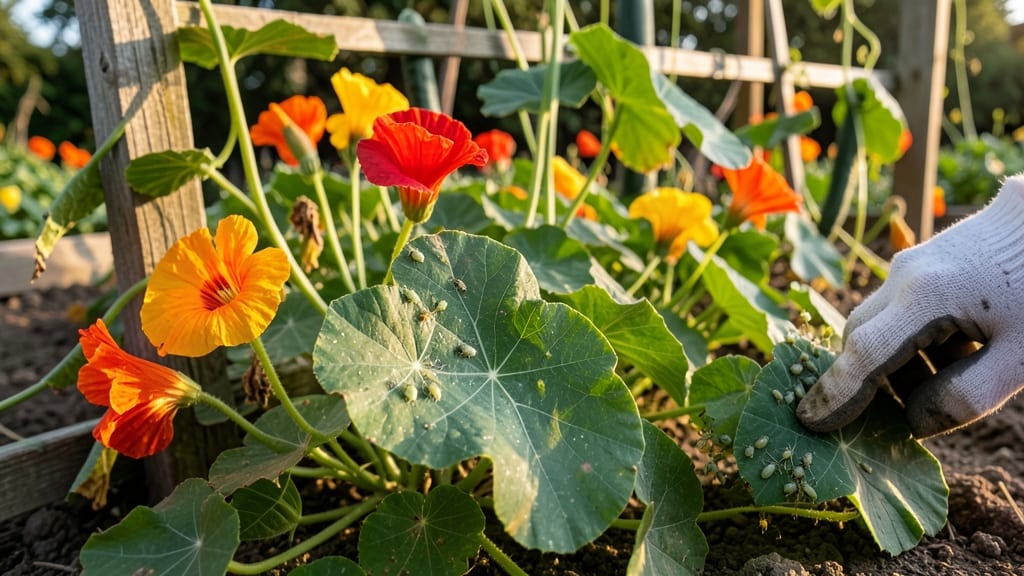
Tired of aphids devouring your cucumber leaves? Nasturtiums act as a living trap—aphids adore their tender leaves more than your cucumbers, making it easy to pluck infested nasturtium foliage and toss it in the compost.
These vibrant annuals thrive in partial sun to full shade and grow quickly, producing edible flowers with a peppery kick perfect for salads. Simply harvest young leaves and blooms while keeping the roots intact to maintain the aphid trap. Plant nasturtiums around cucumber patches in early spring for year-round pest control—they even deter squash bugs and whiteflies!
Urban gardeners and beginners love nasturtiums because they're low-maintenance and add both beauty and flavor. Plus, their trailing vines create a natural ground cover that suppresses weeds. 🌻
Dill Attracts Beneficial Predatory Wasps
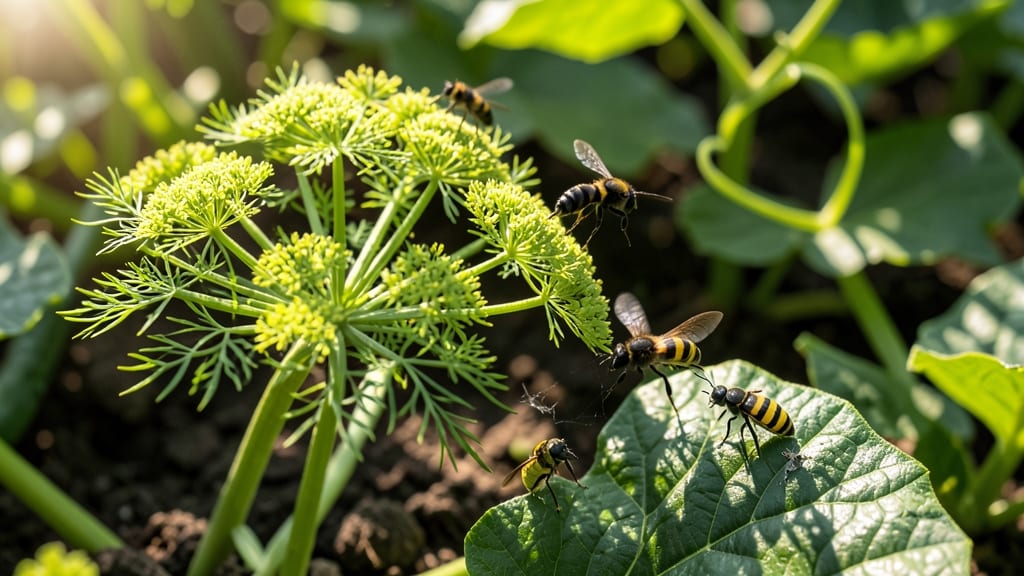
If you’ve ever watched tiny cucumber beetles or spider mites wreak havoc on your vines, you’ll love how dill silently recruits the perfect pest patrol. Its fragrant umbel flowers act like a dinner bell for predatory wasps—tiny hunters that devour these pests before they can damage your crop.
Plant dill in clusters (not just single stems) near your cucumber patch to create a wasp-friendly zone. The key is timing: sow dill seeds 2-3 weeks before cucumbers so it flowers just as beetles emerge. Bonus—dill’s feathery foliage also provides shade for soil moisture retention. For best results, avoid overcrowding; give each plant 12-18 inches of space.
This low-maintenance herb is a game-changer for organic gardeners who want to skip the pesticides. Even small urban gardens can fit a dill patch—just place it where wasps can easily access both the flowers and your cucumbers. 🌿
Radishes Break Cucumber Beetle Life Cycles
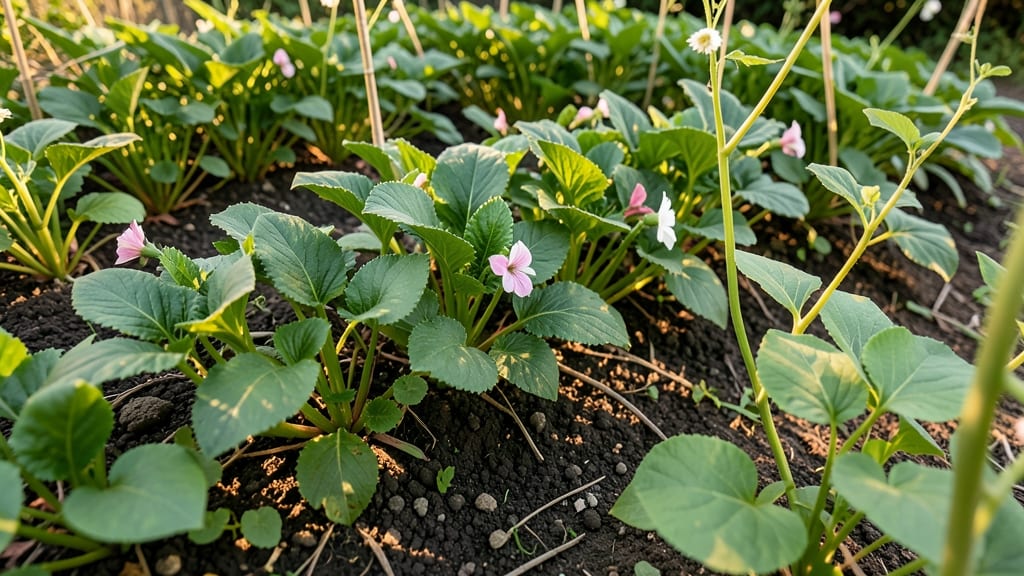
Want to stop cucumber beetles before they even lay eggs? Plant fast-growing radishes alongside your cucumbers—they disrupt beetle life cycles by outcompeting weeds and creating a dense canopy that beetles avoid for egg-laying.
Sow radish seeds 2-3 weeks before your cucumber seedlings, spacing them 1 inch apart. Radishes mature in just 30-40 days, so you’ll harvest them first, clearing space for cucumbers to thrive. Their rapid growth also shades the soil, reducing weed pressure while confusing beetles about where to deposit eggs.
This strategy works best for gardeners with early spring planting schedules or those using succession planting. It’s a win-win: you get a quick radish harvest, and your cucumbers start the season with fewer pests. 🌱
Basil Enhances Cucumber Flavor While Repelling Flies
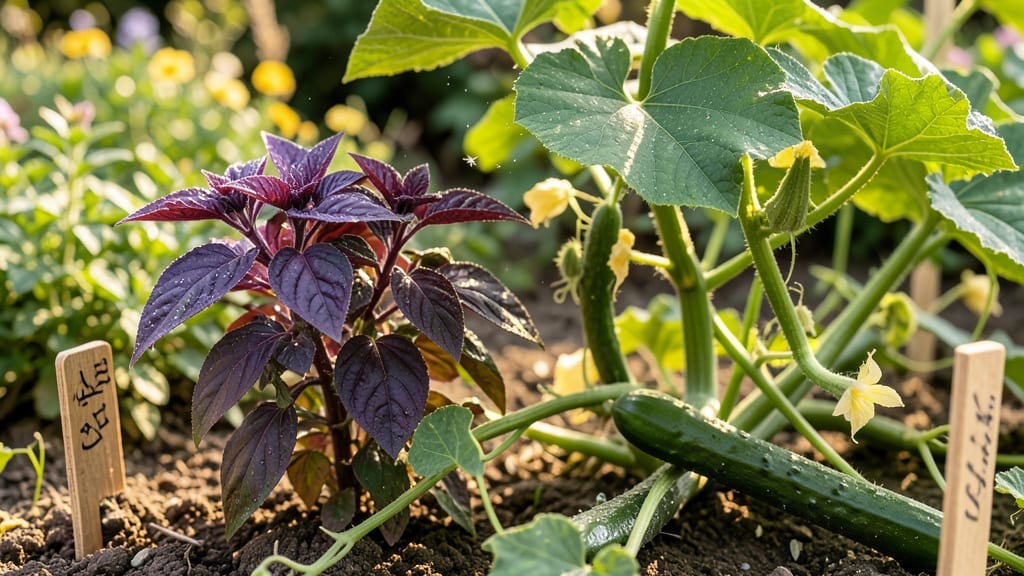
Want cucumbers that taste fresher and a garden free from pesky flies? Basil is your secret weapon—this fragrant herb doesn’t just repel whiteflies and thrips with its strong scent, it also enhances the flavor of your cucumbers when planted nearby.
Position purple basil (or green varieties) at the base of trellised cucumbers, where its leaves will brush against vines as they grow. The scent confuses flies, while the plant’s natural oils improve cucumber taste—perfect for small spaces where you want both productivity and pest control. Harvest basil leaves regularly to encourage bushier growth and more protection.
Urban gardeners and container growers will love this pairing—it thrives in 6 hours of sun and works beautifully in pots alongside bush cucumbers. Plus, you’ll get fresh basil for cooking while keeping your cucumbers pest-free! 🌱
Garlic Prevents Powdery Mildew Spread
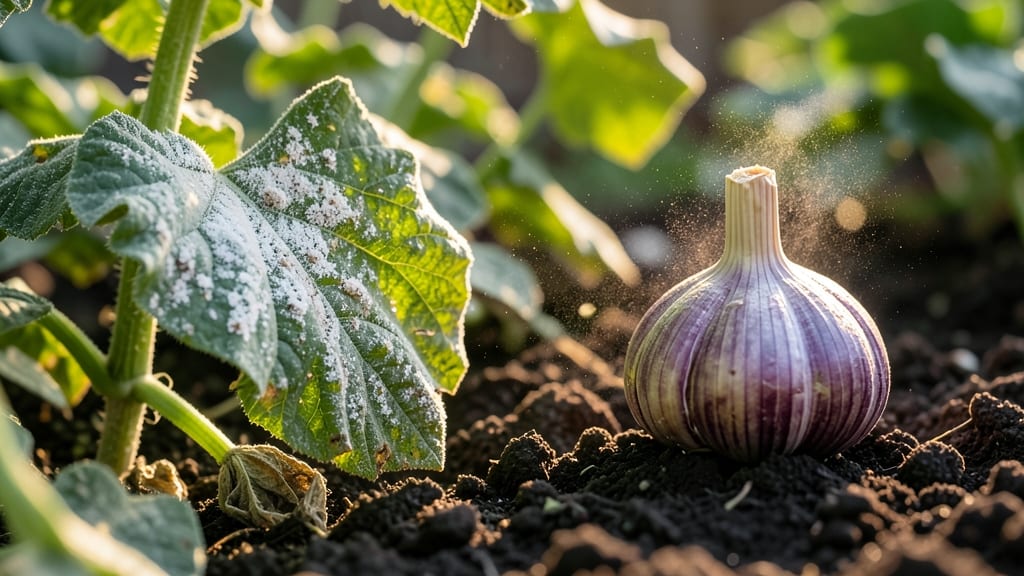
Powdery mildew can turn your cucumber leaves into dusty white messes overnight—but garlic holds the secret weapon against this fungal foe. The sulfur compounds in garlic act like a natural fungicide, disrupting mildew spores before they take hold while also enriching your soil with beneficial microbes.
Plant garlic cloves around the base of your cucumber plants in early spring, or use chopped garlic as a mulch between rows. The strong scent confuses fungal spores, and the decomposing cloves release nutrients that strengthen your cucumbers' natural defenses. For best results, replant garlic every 2-3 years to maintain its potency.
This is the perfect solution for gardeners who prefer organic methods or struggle with humid conditions that encourage mildew. A little garlic goes a long way toward keeping your cucumbers clean and productive all season. 💚
Sunflowers Shield Cucumbers From Wind Damage
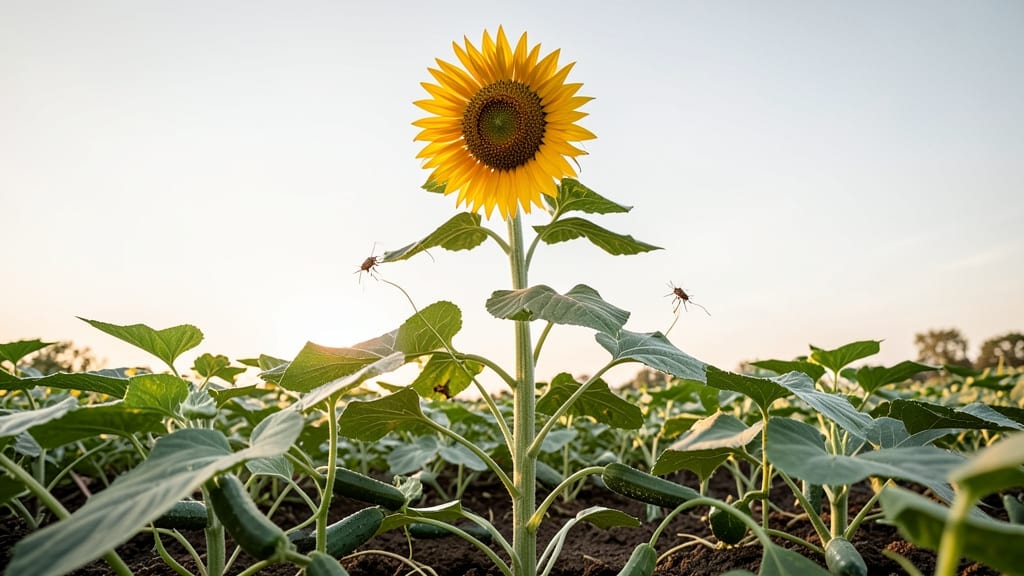
When wind-blown pests like squash bugs threaten your cucumber patch, tall sunflowers become your garden's unsung heroes. Their towering stalks act as natural windbreaks, reducing the force of gusts that scatter pests and damage delicate vines.
Choose early-maturing varieties like 'Mammoth' or 'Autumn Beauty' (5-7 feet tall) to plant 3-4 feet away from cucumbers. The sunflowers' broad leaves also create dappled shade, lowering water evaporation by up to 20%—ideal for hot summer gardens. Plus, their bright blooms attract pollinators that boost cucumber yields.
This dynamic duo works especially well for urban gardeners with limited space or those growing cucumbers in containers. The sunflowers' vertical growth maximizes small areas while providing multi-season benefits. 🌻