
Featured
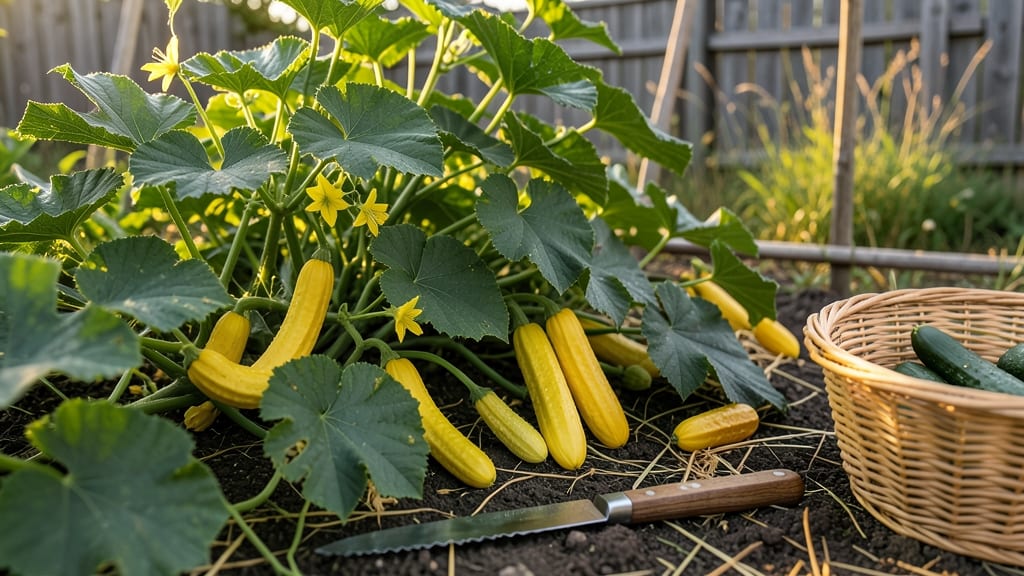
You can eat yellow cucumbers—they’re fully edible and actually sweeter than their green counterparts, with a softer texture and floral undertones. Their golden color comes from natural ripening, not artificial dyes, making them perfect for fresh dishes or light cooking.
Yellow cucumbers aren't a different variety—they're simply ripe green cucumbers that have lost their chlorophyll as they mature. 🌱 This color shift signals higher sugar content and a milder, almost honey-like flavor that works beautifully in salads or as a crunchy snack.
Unlike green cucumbers, which can taste bitter when overripe, yellow ones offer a sweeter, more complex taste profile that pairs well with herbs like basil or mint. The texture remains crisp but slightly more tender, making them ideal for slicing thinly or blending into drinks.
For best results, store them in the fridge (they last about 5-7 days) and use them in dishes where their natural sweetness can shine. Try them in cucumber-lemon salads, light stir-fries, or even as a refreshing garnish for soups.
Their flavor makes them a great bridge between green cucumbers and true heirloom varieties.
💡 In This Article
- How Yellow Cucumbers Develop and Their Flavor Changes
- Best Ways to Use Yellow Cucumbers in Cooking
How yellow cucumbers develop and their flavor changes
Yellow cucumbers aren't a separate variety—they're the result of natural ripening where chlorophyll breaks down and carotenoids take over. 🌱 When cucumbers mature, their green pigment (chlorophyll) degrades due to reduced sunlight exposure and increased sugar production, revealing the yellow-orange carotenoids underneath.
This process is similar to how avocados turn from green to dark when ripe, but cucumbers stop at yellow before becoming overripe.
The breakdown of chlorophyll also triggers a chemical shift that converts starches into sugars, which is why yellow cucumbers taste noticeably sweeter—often measuring 10-15% higher sugar content than green ones.
The flavor transformation goes beyond sweetness. Yellow cucumbers develop a delicate floral aroma and a milder, almost honey-like taste that replaces the grassy notes found in green varieties.
This is due to the production of volatile organic compounds (VOCs) like linalool and geraniol, which are also found in flowers and citrus peels.
For comparison, a green cucumber might have a pH of 5.8-6.2, while a yellow one leans closer to 6.0-6.4, indicating less acidity and a smoother mouthfeel. The texture also softens slightly, becoming more tender but still retaining crispness when properly chilled.
What most people don't realize is that this color change is a natural preservation mechanism. As cucumbers ripen, their cell walls break down slightly, reducing water content and making them less prone to wilting. This is why yellow cucumbers hold their shape better in salads when sliced thinly.
However, their softer texture means they're not ideal for pickling (which requires firmness) unless you prefer a more tender bite. The sweetness also makes them perfect for dishes where you want to reduce bitterness, like in cucumber soup or blended into gazpacho.
Botanically, this process is called "senescence"—the natural aging of plant tissues. In cucumbers, it's triggered by ethylene gas production, which accelerates as the fruit matures. The yellow color appears first near the stem end (where ripening begins) and gradually spreads outward.
This is why you'll often see cucumbers with one end yellow and the other still green—they're in transition. The flavor difference is dramatic enough that chefs sometimes call yellow cucumbers "the dessert cucumbers" for their sweeter profile.
Consider this comparison: a green cucumber has about 95% water content and minimal natural sugars, while a yellow one drops to 90-92% water with sugars making up 3-5% of its composition. This shift explains why yellow cucumbers work so well in sweet-savory dishes.
Their higher sugar content also means they caramelize beautifully when lightly sautéed—try pan-searing them with a touch of honey and thyme for a gourmet twist. 💛
One interesting exception is heirloom varieties, which naturally produce yellow cucumbers without needing to ripen. These varieties (like 'Lemon' or 'Straight Eight') have yellow skin from the start due to genetic differences in chlorophyll production.
While they share similar flavor profiles with ripe yellow cucumbers, their texture tends to be slightly firmer, making them better for pickling or slicing into sticks.