
Vegetables
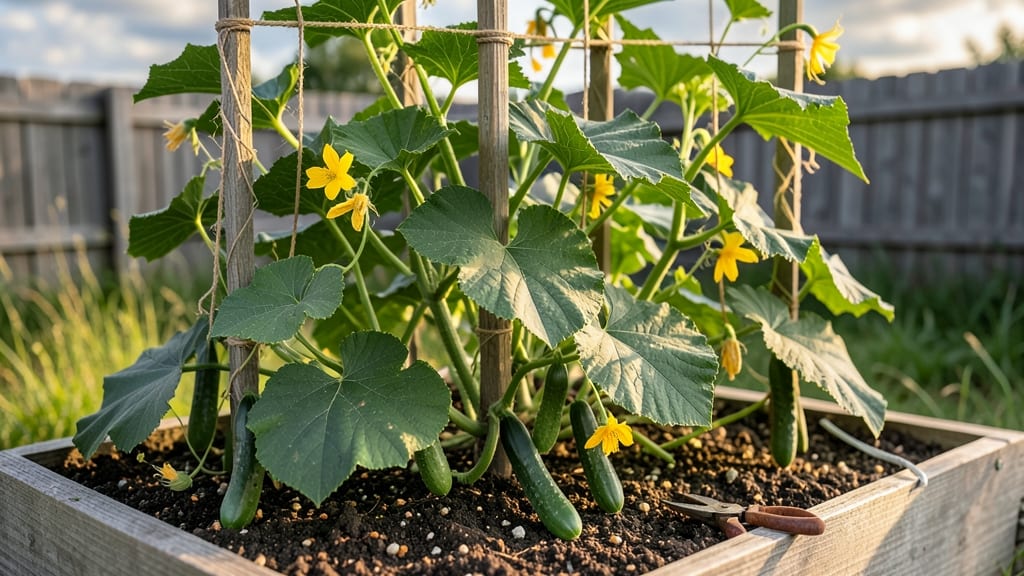
Growing yellow and green cucumbers like 'Lemon Cucumber' turns any container into a vibrant mini orchard. 🌱 These dual-colored beauties aren't just pretty—they're packed with a tangy, lemony flavor that brightens salads and pickles like nothing else.
The secret to their stunning color change lies in proper sunlight and a few simple growing tricks that even beginners can master.
Start with well-draining potting mix in a container at least 12 inches deep—they need room to sprawl and won't tolerate soggy roots. Plant seeds 1 inch deep, 2 inches apart, and give them full sun (6-8 hours daily).
The yellow hue deepens with more sunlight, so position your containers where they'll get the most rays. Water consistently to keep soil moist but not waterlogged, and watch those vines climb with support from a trellis.
Harvest begins when cucumbers reach 4-6 inches long, snipping with pruners to avoid damaging the plant. The flavor peaks at this size—smaller than store-bought but bursting with that signature zesty punch.
One plant produces enough for 4-6 people per season, and the more you pick, the more they grow. Plus, the bright colors make them a showstopper in any garden display.
These cucumbers thrive in containers, making them perfect for balconies, patios, or small spaces. Just watch for powdery mildew in humid climates—space plants for airflow and avoid overhead watering. With the right care, you'll enjoy a steady harvest of these eye-catching, flavor-packed cucumbers all summer long.
What Triggers Color Shifts
If you’ve ever spotted a yellow-and-green cucumber and wondered why some patches turn golden while others stay emerald, the answer lies in a mix of genetics, sunlight exposure, and plant stress.
These vibrant shifts aren’t just random—they’re your cucumber’s way of reacting to its environment. Let’s break down the science behind the hues.
Not all cucumbers are created equal, and some varieties are bred to develop anthocyanin or carotenoid pigments as they mature. These compounds are responsible for the yellowing you see. For example:
- Anthocyanins (red/purple pigments) can sometimes blend with yellow carotenoids, creating a sun-kissed look.
- Carotenoids (like lutein and zeaxanthin) accumulate more in certain skin cells when exposed to high light intensity, turning patches golden.
💡 Pro Tip: If you’re growing a dual-colored variety (like ‘Lemon Cucumber’ or ‘Tasty Green’), check the seed packet—some are predictably striped, while others develop color shifts based on sunlight.
Cucumbers are sun-worshippers, but excessive UV exposure can trigger a stress response that boosts carotenoid production. Here’s how it works:
- When leaves or fruits bake under intense midday sun (especially in hot climates), the plant ramps up photo-protective pigments to shield itself.
- This leads to chlorophyll breakdown in some areas, revealing the yellow-orange hues beneath.
🌡️ Watch For: If your cucumbers are growing in full sun (6+ hours/day) with no shade cloth, the yellowing is likely sun-induced. Try providing afternoon shade (30–50% shade cloth) to even out the color.
A cucumber’s color can also scream for help when its diet is off. Specifically, low nitrogen or excess potassium can cause yellowing:
| Symptom | Likely Cause | Fix It |
|---|---|---|
| Yellow patches only on sun-exposed sides | Nitrogen deficiency (plant can’t produce enough chlorophyll) | Feed with balanced fertilizer (10-10-10) or compost tea. |
| Yellowing paired with purple stems | Phosphorus deficiency (stress response) | Add bone meal or rock phosphate to soil. |
| Yellowing + weak vines | Potassium excess (blocks nitrogen uptake) | Flush soil with water and reduce potassium-heavy fertilizers. |
✨ Quick Test: Pull a leaf—if it’s yellow between veins, it’s nitrogen. If veins stay green but edges yellow, it’s potassium.
Cucumbers are 90% water, and their color reacts dramatically to hydration levels:
- Underwatering: Causes oxidative stress, triggering carotenoids to form as a protective measure. Look for dull, wrinkled skin paired with yellow patches.
- Overwatering: Leads to root rot, which restricts nutrient uptake—resulting in uneven chlorophyll production.
💧 Actionable Fix:
- Water deeply 1–2x/week (1–1.5 inches per week).
- Use drip irrigation to avoid wetting leaves (fungus risk!).
- Amend soil with perlite or coconut coir for better drainage.
🔍 Key Takeaway: Most yellow-green shifts are harmless—they’re just your plant’s way of adapting. But if the cucumber feels mushy, spotted, or deformed, it’s time to investigate pests or disease (like powdery mildew).
Fixing Color Issues in Cucumbers
If your cucumbers are sporting unexpected yellow and green patches—or worse, turning entirely yellow—don’t toss them just yet! Most of these color quirks are fixable with simple adjustments to growing conditions, care, or even harvesting techniques.
Below, we’ve mapped out practical solutions for the most common causes, along with prevention tips to keep your cucumbers vibrant and productive.
Cause: Too much sun exposure or leaving cucumbers on the vine past their prime. Fix:
- 🔥 Harvest Earlier: Pick cucumbers when they’re firm, dark green, and 6–8 inches long. Overripe ones turn yellow and develop a waxy texture.
- 🌡️ Provide Shade: If growing in hot climates, use shade cloth (30–50%) to protect vines during peak afternoon sun.
- 💡 Pro Tip: Check vines every 2–3 days—early harvesting encourages more production and prevents color loss.
Cause: Yellowing between veins (chlorosis) often signals nitrogen deficiency, while uneven yellow patches may indicate phosphorus or potassium issues. Fix:
- 📊 Test Soil: Use a DIY soil test kit (available at garden centers) to check pH and nutrient levels. Ideal pH for cucumbers: 6.0–6.8.
- 🍽️ Feed the Plants:
- Nitrogen (Green Growth): Add compost or a balanced fertilizer (10-10-10) if leaves are pale yellow.
- Potassium (Fruit Health): Use banana peel tea or a potassium-rich fertilizer (like 0-0-50) if yellowing appears on fruit.
- Magnesium (Yellow Edges): Sprinkle Epsom salt (1 tbsp per gallon of water) every 2 weeks for magnesium boosts.
- ✨ Prevention: Mulch with well-rotted compost to slowly release nutrients and maintain soil health.
Cause: Yellowing can stem from overwatering (root rot, fungal issues) or underwatering (stress, poor nutrient uptake). Fix:
- 👨🍳 Water Deeply but Infrequently: Aim for 1–1.5 inches of water per week, delivered at the base of the plant (not the leaves). Use drip irrigation for consistency.
- 🌧️ Avoid Wet Leaves: Water early in the morning to prevent fungal diseases like powdery mildew, which can cause yellow spots.
- 🔥 Fix Drainage: If soil stays soggy, amend with perlite or sand to improve aeration.
Cause: Cucumber beetles, aphids, or fungal infections (like powdery mildew) can create yellow patches or streaks. Fix:
- 🔪 Remove Pests Manually: Handpick beetles or spray with neem oil (1 tbsp per quart of water) for organic control.
- 🛡️ Prevent Fungal Spread:
- Space plants 3–4 feet apart for airflow.
- Apply baking soda spray (1 tsp baking soda + 1 quart water + few drops of soap) weekly.
- 🌿 Crop Rotation: Avoid planting cucumbers in the same spot next year to break disease cycles.
Cause: Extreme heat or cold snaps can cause cucumbers to develop yellow blotches or fail to ripen properly. Fix:
- 🌡️ Extend the Season:
- Cold Tolerance: Choose heat-tolerant varieties like ‘Straight Eight’ or ‘Lemon Cucumber’ if your climate swings.
- 🔥 Heat Protection: Use row covers or shade cloth in summer to keep temps below 90°F (32°C).
- 🌱 Start Indoors: If your spring is chilly, sow seeds indoors 2–3 weeks before the last frost for a head start.
Even if your cucumbers aren’t perfect, they’re often still edible!
- 🥒 Peel if Needed: Remove yellowed or bumpy skin with a vegetable peeler before slicing.
- 🍲 Cook Them Up: Yellowing cucumbers work great in pickles, stir-fries, or gazpacho—the flavor is just as fresh!
- 🌱 Save Seeds: If the cucumber is mostly green but has yellow patches, save seeds from healthy-looking fruit for next year.
Prevention Checklist for Next Season: ✅ Monitor soil health with regular testing. ✅ Harvest consistently to avoid overripening. ✅ Rotate crops to prevent disease buildup. ✅ Use mulch to retain moisture and nutrients. ✅ Inspect plants weekly for pests or early signs of stress.
With these fixes, your cucumbers should bounce back to their crisp, vibrant green—or even sport those stunning yellow-green hues if you’re growing a dual-colored variety! 🌿💚
Frequently asked questions
What are the best dual-colored cucumber varieties to grow?
'Lemon Cucumber' and 'Tasty Green' are top picks for their striking yellow-green hues. These varieties develop vibrant color shifts as they mature, especially when exposed to full sun. For containers, choose compact types like 'Bush Champion'—they produce smaller, flavorful fruits perfect for salads and pickles.
How do I know when to harvest yellow-green cucumbers?
Pick them when they're firm, 4-6 inches long, and still mostly green with just a hint of yellow. Harvesting early ensures maximum crispness and flavor. Use pruning shears to snip stems—this prevents damaging the plant. Check vines every 2-3 days during peak production for the best results.
Can I grow these in containers, and what size pot do I need?
These cucumbers thrive in containers as long as the pot is at least 12 inches deep with good drainage. Use a lightweight potting mix with compost, and provide a trellis for climbing. For bush varieties, a 5-gallon container works well. Just ensure the pot has drainage holes to prevent root rot.
Why are my cucumbers turning completely yellow instead of just yellow-green?
Full yellowing usually means overripeness or stress. Check for these common causes: too much sun (use shade cloth), inconsistent watering, or nutrient deficiencies. If the cucumbers are still firm, they're often fine to eat—just peel any yellowed skin before using. For next season, harvest more frequently to prevent overripening.
What's the best way to store harvested yellow-green cucumbers?
Store them unwashed in the crisper drawer of your fridge for up to 1 week. For longer storage, wrap them in a paper towel to absorb moisture. If you notice yellowing during storage, it's normal—just peel before eating. These cucumbers are best used fresh in salads or pickled within 3-4 days for peak flavor.