
Light Requirements
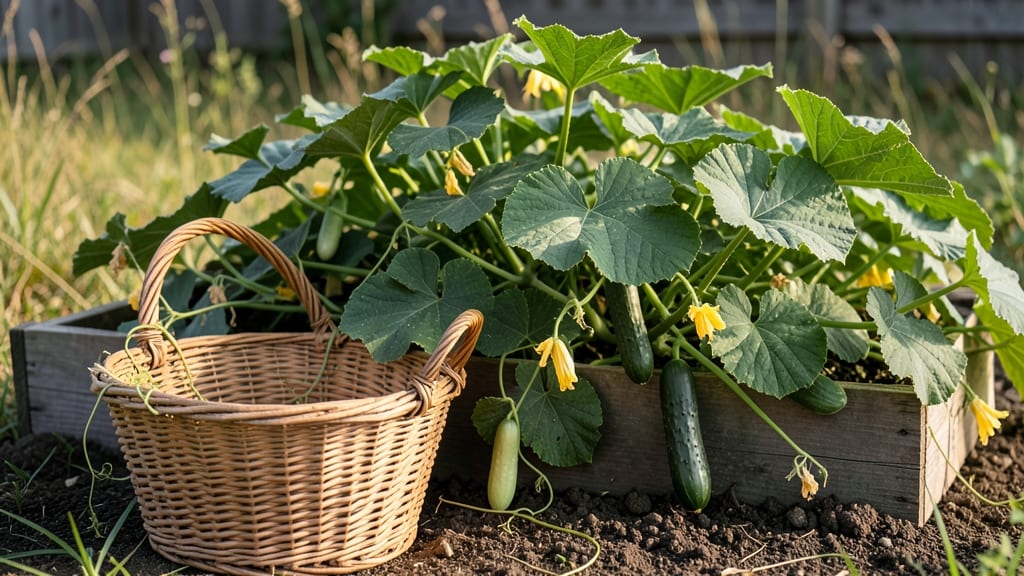
Light green cucumbers are perfectly fine to eat, offering a crisp texture and milder, sweeter flavor compared to fully mature yellow or bitter varieties. Harvesting them early ensures tender skin and optimal taste for salads or pickling.
Light green cucumbers are actually the peak of freshness—these young cucumbers pack the most delicate flavor because they haven't yet developed the bitter compounds that form as they mature. 🌱 The key difference lies in their chlorophyll content; younger cucumbers retain more of this green pigment, which contributes to their crisp bite and subtle sweetness.
Many chefs and home cooks prefer them for dishes where you want to highlight the cucumber's natural taste without overpowering other ingredients.
When selecting light green cucumbers, look for ones that feel firm and heavy for their size—this indicates high water content and freshness. Store them in the refrigerator to maintain their crispness, but use them within a few days for the best texture.
Their mild flavor makes them especially versatile for refreshing dishes like tzatziki, cucumber salads, or even thinly sliced as a crunchy topping for soups.
💡 In This Article
- How Cucumber Ripeness Affects Flavor and Texture
- Best Uses for Light Green Cucumbers in Cooking
How cucumber ripeness affects flavor and texture
Cucumber ripening is all about chlorophyll breakdown and sugar accumulation. Light green cucumbers are harvested before their chlorophyll fully degrades, which means they retain more of that crisp, fresh bite.
As cucumbers mature, chlorophyll converts to carotenoids (yellow pigments), and the skin thickens while the flesh becomes more fibrous and bitter. This process also increases cucurbitacin content—natural compounds that can make overripe cucumbers taste harsh.
The sugar content plays a huge role too. Young cucumbers contain about 2-3% sugars, giving them that mild sweetness, while mature ones drop to 1-2%**. The water content also shifts—light green varieties hold 95-96% water, making them juicier and more hydrating.
For comparison, dark green cucumbers (like Persian types) have slightly less water (94-95%) but maintain better structural integrity for slicing.
Texture changes dramatically with ripeness. Light green cucumbers have thin, tender skin that's perfect for eating raw, while mature cucumbers develop a tougher rind and larger, seedy centers. The seeds themselves become more pronounced and bitter as the cucumber ages.
This is why light green cucumbers are often called "slicing cucumbers"—their delicate texture holds up beautifully in salads without turning mushy.
What most people don't realize is how temperature affects ripening speed. Cucumbers ripen faster at 75-85°F (ideal for vine growth), but storing them at 40-50°F slows this process dramatically.
This is why grocery stores keep cucumbers refrigerated—they're trying to preserve that light green, crisp stage as long as possible. 🌱 The trade-off? Cold temperatures can make cucumbers slightly softer over time, which is why many chefs recommend bringing them to room temperature before slicing for the best texture.
Here's what's happening chemically: As cucumbers ripen, their cell walls break down slightly, releasing enzymes that create that characteristic "cucumber aroma." In light green varieties, these enzymes are less active, preserving that clean, fresh scent.
Dark green cucumbers have more developed aromas, while yellow ones often smell slightly fermented—a sign of overripening.
For home gardeners, harvesting at the light green stage means you're catching cucumbers at their peak eating quality. The skin is still tender enough to eat (unlike mature cucumbers where you'd peel them), and the seeds are small and mild.
This is why many heirloom varieties are specifically bred to stay light green longer—think of types like 'Lemon Cucumber' or 'Straight Eight' that maintain that perfect balance of sweetness and crunch.