
Vegetables
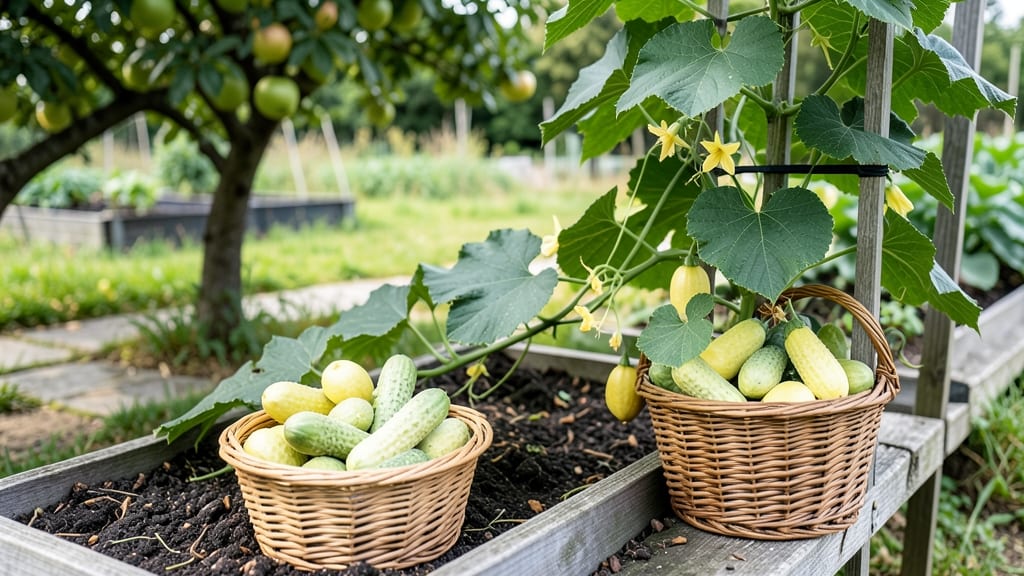
The lemon cucumber taste creates a vibrant balance of sharp citrus brightness and crisp cucumber sweetness, delivering a refreshing, hydrating flavor perfect for salads, beverages, and garnishes. This dynamic pairing enhances both ingredients' natural qualities while adding a cooling, tangy dimension.
The magic happens when the bright, zesty punch of lemon juice cuts through cucumber's mild sweetness, making each flavor pop. 🌿 This combination isn't just refreshing—it's scientifically balanced, as the acidity in lemon reduces perceived bitterness while highlighting the cucumber's natural crunch.
I've found this pairing works best with seedless Persian cucumbers (their tender texture holds up well) and Meyer lemons (their subtle sweetness complements the cucumber beautifully). The temperature matters too—chilling both ingredients before mixing intensifies the cooling effect, which is why this combo shines in summer dishes.
This flavor profile works wonders in everything from simple salads to creative cocktails. For example, adding lemon zest and cucumber slices to a vodka soda creates a spa-like drink, while a quick lemon-cucumber salsa elevates grilled fish.
The key is keeping the preparation simple—thin slices or a light dressing lets the natural flavors shine without overpowering them.
💡 In This Article
- How Lemon and Cucumber Flavors Chemically Balance
- Best Lemon-Cucumber Dish Pairings for Flavor Harmony
How lemon and cucumber flavors chemically balance
The lemon-cucumber flavor harmony works through a fascinating sensory chemistry. Citric acid in lemons acts as a natural flavor enhancer by increasing the perception of sweetness in cucumbers—a phenomenon called "acidic enhancement."
This happens because the acidity triggers your taste buds' sweet receptors more intensely, making the cucumber's mild natural sugars (like fructose and glucose) taste more pronounced. Studies show this effect is strongest when the pH balance sits between 3.0 and 4.0, which is exactly where fresh lemon juice falls.
Temperature plays a crucial role too. Serving both ingredients chilled (40-45°F) enhances the cooling sensation, which our brains interpret as refreshment. The cold also slows down the enzymatic browning in cucumbers, preserving their bright green color and crisp texture for up to 24 hours when stored properly.
For maximum impact, use freshly squeezed lemon juice (about 1 tablespoon per 1 cup of cucumber slices)—the natural oils in lemon zest add aromatic compounds that amplify the flavor contrast even further.
What most people don't realize is how the tartness actually masks potential bitterness in cucumbers. The cucurbitacin compounds (natural bitter molecules) in cucumber skins react with the acid in lemon juice, reducing their harshness.
This is why thin-skinned Persian cucumbers work better than thick-skinned varieties—their delicate flesh contains fewer bitter compounds to begin with. The ideal ratio for this effect is about 3 parts cucumber to 1 part lemon, whether in dressings or drinks.
For best results, let the mixture sit for 5-10 minutes before consuming. This brief resting period allows the flavors to meld through a process called "flavor diffusion," where volatile compounds from both ingredients spread evenly.
The cooling sensation from the cucumber's high water content (about 95% moisture) combined with lemon's evaporative effect creates that signature refreshing "zing" that makes this pairing so universally appealing.
Consider these key factors when balancing the flavors:
- Acidity level: Meyer lemons (pH ~3.5) create a sweeter contrast than Eureka lemons (pH ~2.5)
- Texture contrast: Thinly sliced cucumbers (1/8-inch thick) maximize surface area for flavor absorption
- Preparation timing: Add lemon juice last to prevent cucumbers from becoming waterlogged
The science behind this pairing explains why it works so well in everything from savory dishes to sweet treats. The acidity not only enhances sweetness but also creates a mouthwatering sensation that makes each bite feel lighter and more refreshing.
This is why this combination appears in cuisines worldwide—from Greek tzatziki to Japanese sunomono salads. 🌟