
Featured
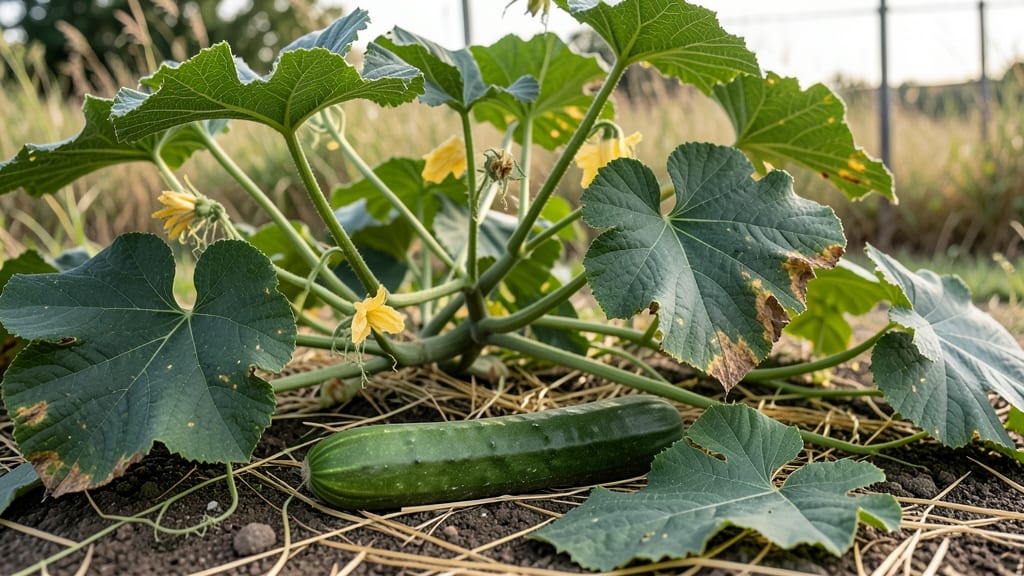
Chickens can eat cucumber leaves in moderation, as they are non-toxic and provide hydration and fiber, though overfeeding may cause digestive upset or bloating due to their high water content and mild laxative effect.
Cucumber leaves aren't just safe—they're a nutrient-packed treat for your flock. 🌿 These leaves contain vitamins A, C, and K, along with potassium and magnesium, which support feather health and immune function. The high water content helps keep chickens hydrated, especially in hot weather, while the fiber aids digestion.
I always wash them thoroughly before serving, as dirt or pesticide residue can harm your birds. For best results, offer small amounts—about 1-2 leaves per chicken, 2-3 times a week—to avoid overloading their systems.
If you notice loose droppings or lethargy, cut back immediately. The mild laxative effect from the water content is why moderation is key. For extra safety, chop the leaves into smaller pieces to prevent choking hazards, especially for younger chicks.
Pairing them with other leafy greens like kale or Swiss chard creates a balanced snack that keeps your chickens happy and healthy.
💡 In This Article
- Nutritional Value of Cucumber Leaves for Chickens
- Safe Feeding Practices for Cucumber Leaves
Nutritional value of cucumber leaves for chickens
Cucumber leaves pack a surprising nutritional punch for chickens, offering a balanced mix of vitamins and minerals that support overall health. A single leaf contains about 10-15% of a chicken's daily vitamin A needs, crucial for maintaining strong feathers and a robust immune system.
The vitamin C content helps reduce stress and supports wound healing, while vitamin K plays a key role in blood clotting and bone health. 🌱 Compared to other leafy greens like spinach (which has more oxalates) or lettuce (lower in vitamins), cucumber leaves strike a perfect balance—high in nutrients but low in potential toxins.
The mineral profile is equally impressive, with potassium levels around 150-200 mg per leaf, which helps regulate fluid balance and muscle function. Magnesium content supports nerve and muscle health, while small amounts of calcium and phosphorus contribute to strong eggshells.
The high water content—about 90-95% by weight—makes these leaves an excellent hydrating snack, especially during hot summer months when chickens may drink less water. This moisture content also explains why overfeeding can lead to digestive issues, as their systems weren't evolved to process such high liquid volumes at once.
What truly sets cucumber leaves apart is their fiber content, which aids digestion by promoting gut motility.
The insoluble fiber helps prevent impaction, a common issue in chickens, while the soluble fiber feeds beneficial gut bacteria. 💫 This makes them a great alternative to processed grains that can sometimes cause digestive upset.
For comparison, a single cucumber leaf provides roughly 1-2 grams of fiber, similar to a small serving of steamed broccoli—enough to support healthy digestion without overloading their systems. The mild bitterness in some varieties also acts as a natural digestive stimulant, encouraging their digestive tracts to function efficiently.
One often-overlooked benefit is the cucumber leaves' natural enzymes, which help break down proteins and carbohydrates. These enzymes work similarly to those found in fresh fruits and vegetables, making the nutrients more bioavailable to your chickens.
The leaves also contain small amounts of antioxidants like flavonoids, which help combat oxidative stress—a common issue in confined or stressed poultry.
When you consider these factors together, it's clear why cucumber leaves are more than just a safe treat; they're a functional food that supports multiple aspects of chicken health.
For optimal results, always serve fresh leaves—wilted or dried leaves lose much of their nutritional value and can become harder to digest.
The vibrant green color is your first indicator of freshness, along with a crisp texture when handled properly. 🌿 When comparing cucumber leaves to other poultry-safe greens, they consistently rank high in the "safe and beneficial" category, making them an excellent addition to a varied diet.
Their mild flavor also means chickens typically enjoy eating them without needing additional seasoning, though you might occasionally see them peck at the leaves more enthusiastically when paired with other treats like mealworms or herbs.